

DIY home renovation means taking matters into your own hands, usually on evenings and weekends. It could be repainting a living room over a long weekend or putting up a pre-built cedar fence in your backyard.
Many homeowners tried DIY projects. Some found the results rewarding, while others faced mistakes, such as misaligned fence posts, deck framing errors, or bathroom waterproofing issues, which added time, cost, and stress.
Whether it’s worth the effort depends on the benefits and challenges involved. Let’s break down the main pros and cons of taking on a DIY home renovation.
Pros:
Cons:
DIY mainly saves on labor, which often represents a significant portion of renovation costs, sometimes around one-third to over half of a project, depending on the type of work and your local labor rates.
Key savings include:
Costs that reduce savings:
DIY projects often stretch over nights and weekends, while contractors complete work faster. Here are some key points to consider:
Skill challenges include:
Stressors may include:
Be realistic about your patience, physical stamina, and troubleshooting skills. If a project starts to feel overwhelming or mistakes could get costly, it may be smarter to hire a professional.
Some projects are low- to medium-risk and ideal for most homeowners. These inexpensive remodeling ideas can refresh your home without breaking the bank.
Interior:
Exterior:
Fence-related small repairs:
When dealing with large fence replacements or difficult terrain, it's wise to enlist the help of experienced specialists. Their expertise ensures the job is done efficiently and to a high standard.

Sometimes, bringing in a professional is the smartest choice, especially for larger or more complex projects. Contractors bring experience, trained crews, specialized tools, and the knowledge to handle permits and building codes, saving time and stress.
While hiring a contractor costs more upfront, it can prevent mistakes that lead to extra expenses. Understanding the main pros and cons helps you decide whether to DIY or hire a pro.
Pros:
Cons:
Some contractors specialize in specific areas, like fencing or bathrooms, offering skills that generalists may not have.
Contractor fees typically cover:
For example, installing a 6-foot cedar or vinyl fence along 100–200 feet can cost anywhere from several thousand dollars up to around $20,000 or more, depending on material quality, terrain, permits, and local labor rates. These are rough regional estimates, so actual costs may vary.
Hiring a contractor also gives you access to specialized tools, crews, and inspection management. Reputable contractors provide transparent pricing and contracts, helping ensure the job is done correctly.
Professional crews usually finish faster than do it yourself home renovations. A fence replacement can take a few days with pros versus multiple weekends on your own. Bathroom renovations often wrap up in 2–3 weeks professionally, while DIY might stretch across several weekends depending on skill and schedule.
Contractors can spot issues early to prevent costly mistakes, and many offer workmanship warranties—typically one to several years—providing peace of mind that DIY can’t match.
Certain projects are generally safer and more efficient when handled by licensed contractors:
As a rule, avoid DIY if mistakes could lead to injury, water damage, or legal issues. For high-risk or code-heavy work, a professional is usually the safer choice.
DIY home renovation vs hiring a contractor comes down to time, cost, and skill. Here’s what to consider before deciding
For many homeowners, the biggest savings come from doing the labor yourself. Here’s a sense of what you might spend on materials for common projects. Remember, prices vary by region and store:
Sample project budgets (Materials Only):
It’s smart to budget an extra 10–20% for mistakes, extra materials, or upgrades. Small errors or last-minute changes can add up quickly.
Hiring a licensed professional brings labor, experience, tools, and peace of mind, but it comes with a higher price tag. Depending on your location, materials, and project complexity, you might expect:
These estimates generally include crew time, equipment, materials, warranties, and permits. Local labor rates, material choices, and the condition of your home can shift costs up or down significantly, so always get multiple quotes before committing.
DIY can be cheaper, but not always. Situations where costs can climb quickly include:
Beyond materials and labor, don’t forget hidden costs: extra time, disruption to daily life, storage for materials, and potential impacts on resale if the work isn’t up to code.
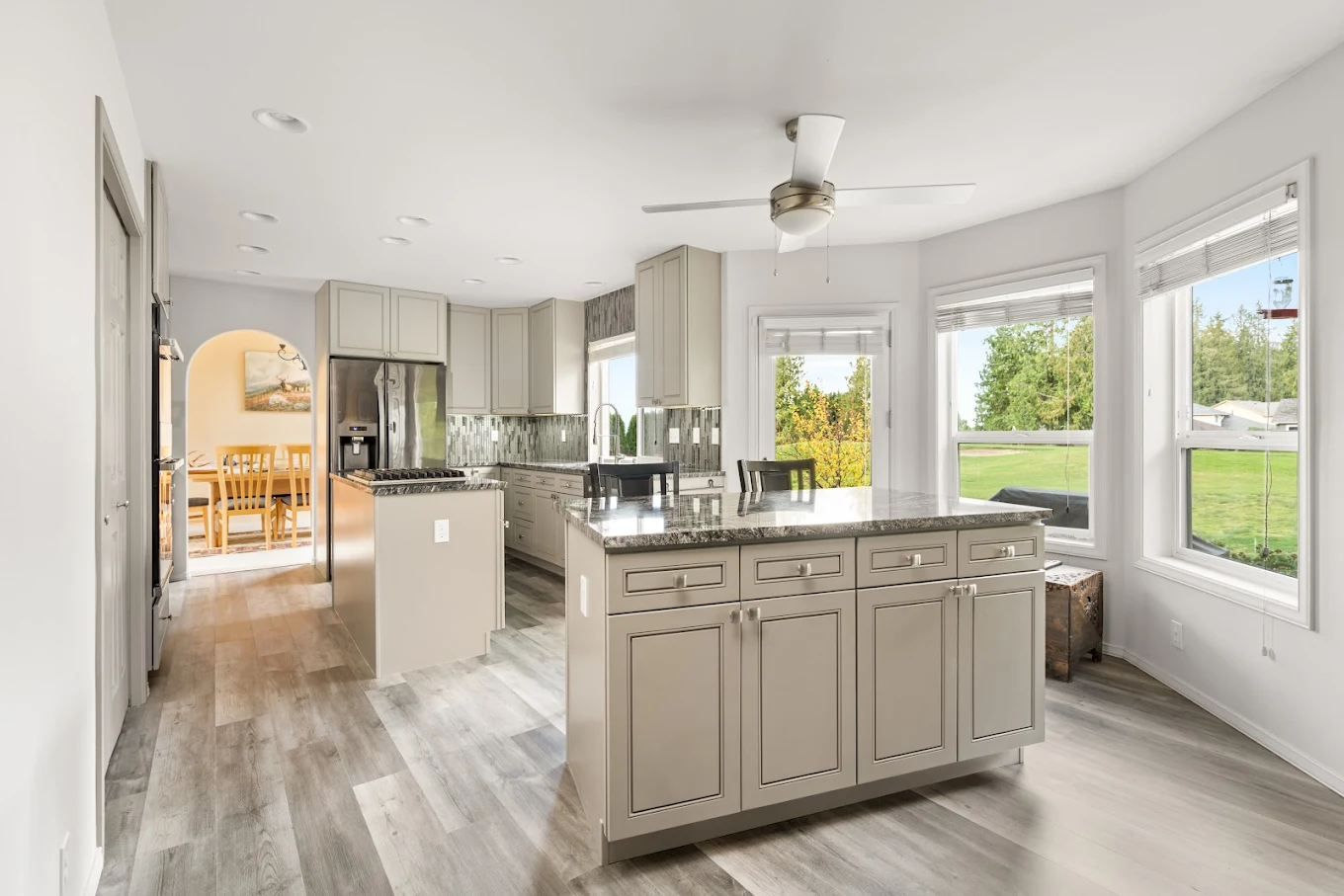
Start your DIY home renovation checklist with setting a realistic budget with a small buffer for surprises. Compare DIY (materials or materials + tools) versus contractor costs. For projects that add value or improve safety, consider financing options.
Be honest about your abilities. Test small projects first and review local codes or tutorials. Underestimating the learning curve can extend timelines.
Assess how much time you can commit. DIY often happens nights or weekends, while contractors finish in days or weeks. Factor in seasonal and weather constraints for outdoor work.
Check if permits are needed. High-risk or code-heavy work, like structural, electrical, or plumbing, is usually safer with professionals. Understanding local regulations helps avoid costly delays.
You don’t always have to choose fully DIY or fully professional for a whole home renovation. A mix can save money, reduce stress, and let you enjoy the parts of renovation you like. For example:
A few tips to keep things smooth:
With this approach, you get the satisfaction of doing some work yourself while leaving the high-risk or labor-heavy parts to the experts.
DIY works best for cosmetic, low-risk projects if you have the time and patience to see them through. For complex, code-heavy, or safety-critical work, hiring a contractor is usually the safer choice. Many homeowners find a mix of DIY and professional help offers the best balance of cost, control, and quality.
At CraftHaus, we guide homeowners through every approach, whether you want to tackle parts yourself or rely on experts. Reach out for a transparent estimate and practical advice to make your renovation smoother and stress-free.
DIY home renovation can reduce costs by eliminating labor expenses, often making it cheaper for simple projects. However, mistakes, tool purchases, and time investment can increase the cost of whole home renovation. For complex projects, hiring a professional may save money in the long run.
High-risk jobs like structural changes, major electrical or plumbing work, and roofing should be handled by licensed contractors to ensure safety and code compliance.
Permits depend on the type of work, not who does it. Cosmetic updates usually don’t require permits, but structural, electrical, or plumbing changes typically do. Always check local regulations before starting.
On average, DIY projects can take 2–4 times longer than professional work, though this varies by project complexity and your skill level.
Yes, combining DIY and professional work is common and cost-effective. Clear communication and agreements help ensure smooth progress.
Look for licensed, insured contractors with good references and reviews. Get multiple written estimates and avoid high-pressure sales tactics. Agree on a detailed contract that outlines the scope of work, payment schedule, and warranty details.
.avif)
Find the right services for your home project.








.svg)

.png)


.svg)
