

Choosing the right tile for shower walls can make or break your bathroom remodel. With porcelain vs ceramic tile for shower walls dominating the market, homeowners often find themselves stuck comparing specs, prices, and long-term performance. We'll break down exactly what you need to know to make a confident decision for your shower space.
Many homeowners ask, "is porcelain tile good for shower walls?" For high-use bathrooms, it’s usually the most dependable choice. Porcelain tile for shower walls is fired at very high temperatures, which makes it denser and less porous than ceramic. It absorbs very little water (under 0.5%), so it handles daily moisture and steam without issues.
That’s why many homeowners choose porcelain for showers that get used every day. It’s tough, long-lasting, and available in styles that look like stone, marble, concrete, or even wood, making them a popular choice for both modern and classic bathroom tile makeovers.
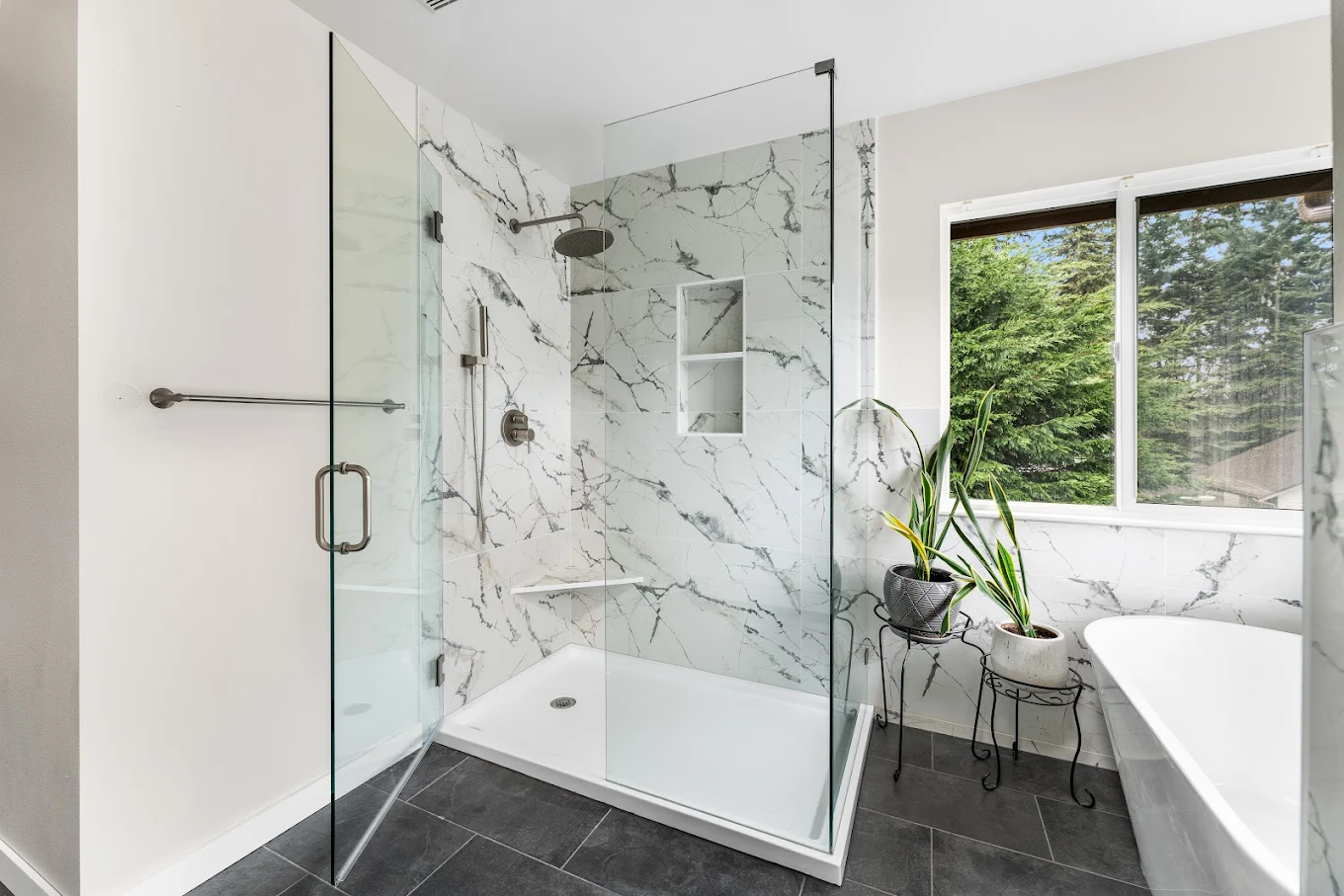
Porcelain is the best tile for shower walls in primary bathrooms that see daily use. It’s a solid choice for full-height walls, niches, and built-in benches where durability and moisture resistance matter most. If you want something long-lasting with minimal upkeep, porcelain is often the safer pick for tiles for shower walls.
Ceramic is often the go-to when budget and design flexibility matter most. If you’re asking "is ceramic tile good for shower walls?", the answer is yes, as long as the walls are properly waterproofed.
It’s lighter, easier to cut, and simpler to install than porcelain, which makes it especially popular for DIY projects or quick bathroom updates. You’ll also find more color options, patterns, and decorative styles, from classic subway tiles to bold, handmade looks.
Ceramic is a practical pick for guest bathrooms, light-use showers, or remodels where budget matters most. It also works well for accent walls, niches, or decorative sections, especially when paired with porcelain in the wettest areas. It is a popular choice for those seeking tile ideas for shower walls that combine style and affordability.
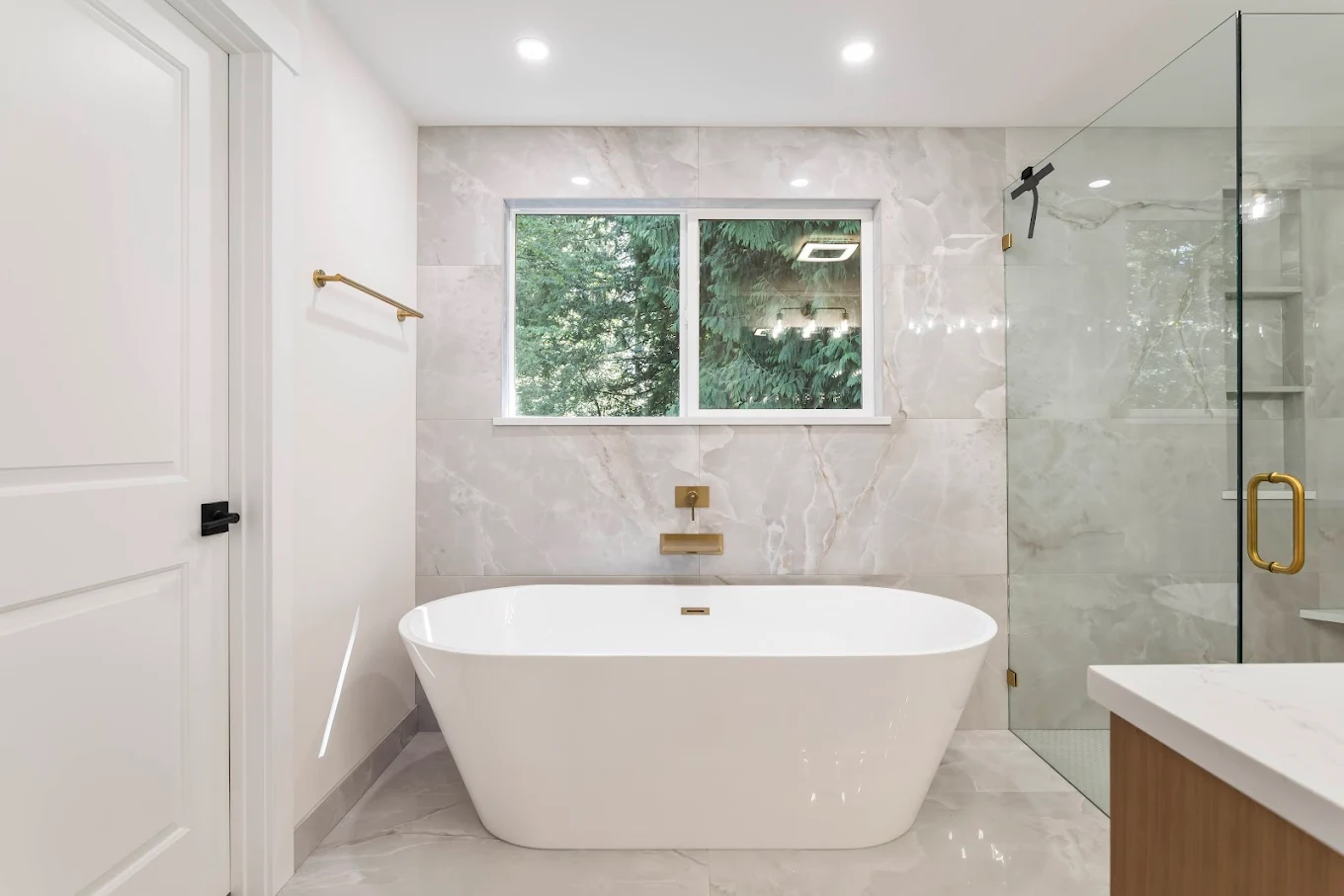
These ranges are typical for most projects. Actual cost, durability, and performance depend on the specific tile, installation quality, and waterproofing.
Porcelain excels in durability, moisture resistance, and long-term performance, making it ideal for busy bathrooms or full-height shower walls. Ceramic is lighter, easier to work with, and more budget-friendly, perfect for guest baths, accent walls, or DIY updates.
Both work well when properly installed over waterproofed walls, so your choice depends on how the shower will be used, your design goals, and budget.
For most primary bathrooms, porcelain is the safer long-term pick. It stands up better to daily water, steam, and wear, and typically lasts decades with minimal upkeep. Ceramic makes sense for guest baths, accent sections, or DIY remodels where cost and easy installation matter more than maximum durability.
You can also mix both, use porcelain in the wettest areas and ceramic for decorative touches. If you’re unsure which new bathroom tile fits your space, CraftHaus can guide you through the options and take care of the installation. Contact us for a clear estimate and expert help to get your shower done right.
Ceramic is generally easier to cut and handle, making it more beginner-friendly for DIY projects. Porcelain requires specialized tools and techniques but offers greater durability.
Yes, mixing porcelain and ceramic is common. Use porcelain in wet zones and ceramic for decorative accents to balance durability and style.
Proper waterproofing with cement backer board and a continuous waterproof membrane is essential. Use quality grout and seal all joints. Good ventilation reduces humidity that encourages mold growth.
Use mild, non-abrasive cleaners and soft cloths or sponges. Avoid harsh chemicals that can damage grout or tile. Squeegee after showers to reduce water spots and soap scum.
Porcelain is denser and more durable, making it the longer-lasting option for shower walls. Ceramic can still hold up well in lighter-use showers but may show wear or chips sooner.
Large tiles create a seamless look with fewer grout lines, making cleaning easier and the shower feel more open. Smaller tiles and mosaics add texture and detail, but require more grout maintenance.
.avif)
Find the right services for your home project.







.svg)

.png)


.svg)
