

Planning a whole home renovation can be complex, from updating finishes to adapting spaces for modern living. Understanding costs, timelines, and contractor options, along with interior and exterior improvements, helps ensure a smoother, more efficient home transformation.
A full house remodel updates most rooms—kitchens, bathrooms, living areas, and bedrooms—and major systems, usually taking 6–12 months for interior work or 12–18+ months for larger or older homes. Gut renovations fix insulation, wiring, and structural issues, while exterior upgrades enhance security and style.
Here, we’ll outline each stage of a whole home renovation, helping you make informed decisions, manage costs, and turn your vision into reality.
Renovating whole house simultaneously increases complexity and overall cost. Coordinating demolition, rough-ins, inspections, and finishes across rooms requires a detailed plan to avoid budget overruns and schedule delays.
Risks of poor planning include:
Before contacting contractors, create a written scope of work, project budget range, and priority list. This helps obtain an accurate estimate and compare bids effectively.
Plan for site access, source materials, material lead times, and temporary housing if needed during construction.
Renovation costs can vary widely depending on the size of your home, the scope of work, and the materials you choose. Having a general sense of whole home remodel cost per square foot and overall project ranges can help you plan a realistic budget, though actual expenses may differ.
With this table, we give you a general range of costs per square foot and what’s usually included at each level:
Examples:
Wet rooms like kitchens, bathrooms, and laundry areas can range from $25,000–$80,000+ each due to plumbing, electrical, tile, and cabinetry work.
Labor typically accounts for 50–60% of renovation costs, with design fees, permits, and contingency making up the rest. Licensed general contractors usually include these considerations in their bids.
These figures are only estimates. Actual whole home renovation cost will vary based on location, contractor rates, materials, and the specific conditions of your home.
Several variables can influence your total renovation budget, and costs often shift depending on your home’s condition, scope, and location:
Many homeowners set aside a 10–20% contingency to cover surprises like hidden rot, foundation issues, or outdated wiring.
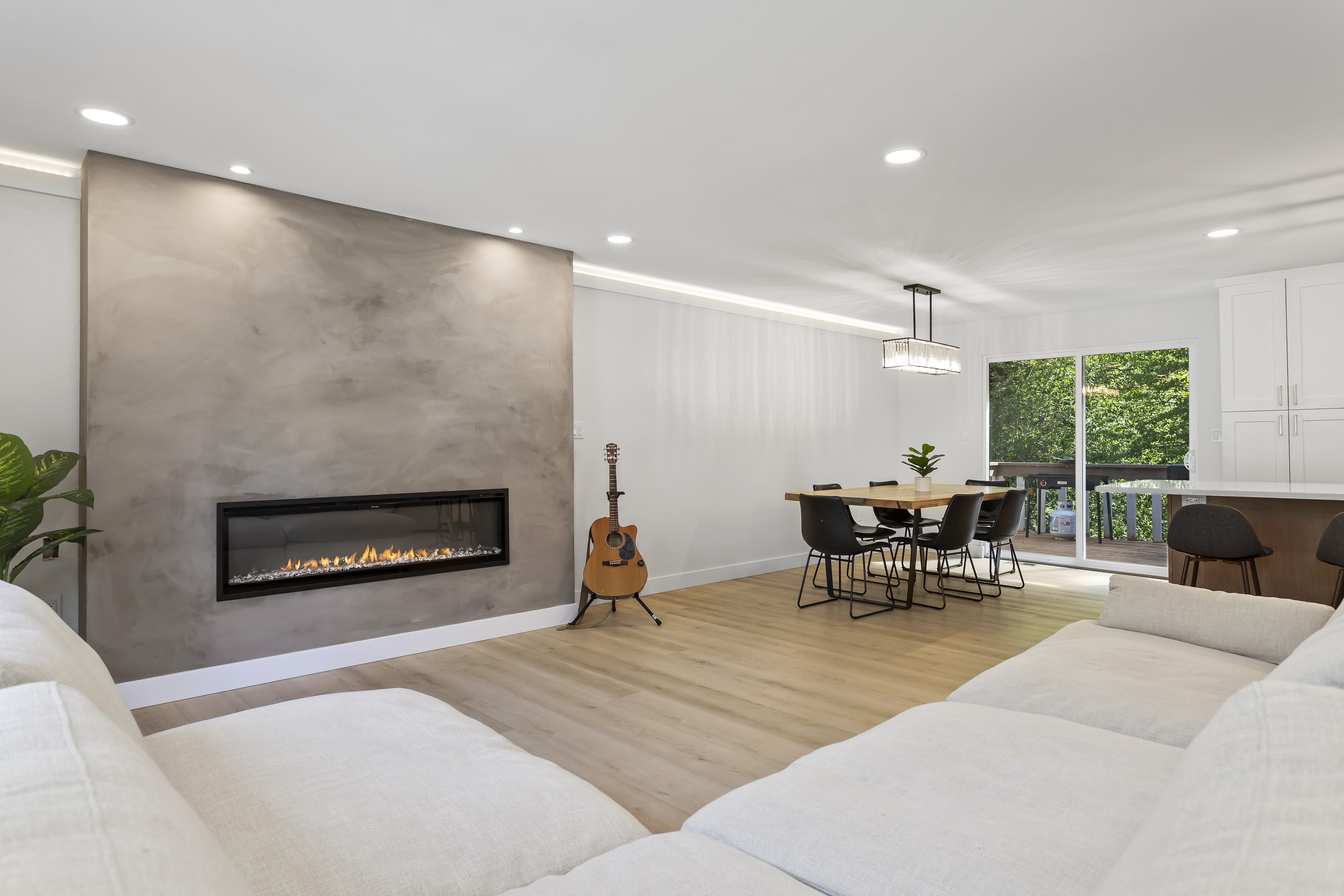
Deciding whether a whole house renovation is the right choice means weighing potential return on investment alongside lifestyle benefits and long-term comfort.
ROI for whole home renovations typically ranges from 50–70%, with kitchen and bathroom updates often delivering the strongest returns. Since results vary by neighborhood and market, check comparable sales with a local agent or appraiser to avoid over-improving.
Even if financial ROI is under 100%, renovations can still add value through improved comfort, energy efficiency, and functionality. Features like home offices, multi-generational spaces, and privacy fencing may enhance livability more than appraisal value.
Renovating a whole house can sometimes cost less than buying an upgraded home once you factor in commissions, closing costs, moving expenses, and higher mortgage rates. It often makes sense in established neighborhoods with good schools, larger lots, or views that are hard to replace.
Moving may be the better option if the home has major structural issues, flood risks, or zoning limits. Weigh the trade-off between living through construction and relocating your family, then choose what fits your budget, timeline, and priorities.
Focus budget on:
Choose durable, high quality materials to reduce future maintenance:
Avoid over-personalization or ultra-luxury finishes that exceed neighborhood values.
Step-by-step planning helps assess your home, define the scope, establish timelines, and make design decisions. Having a detailed plan before requesting bids leads to more accurate pricing and fewer changes.
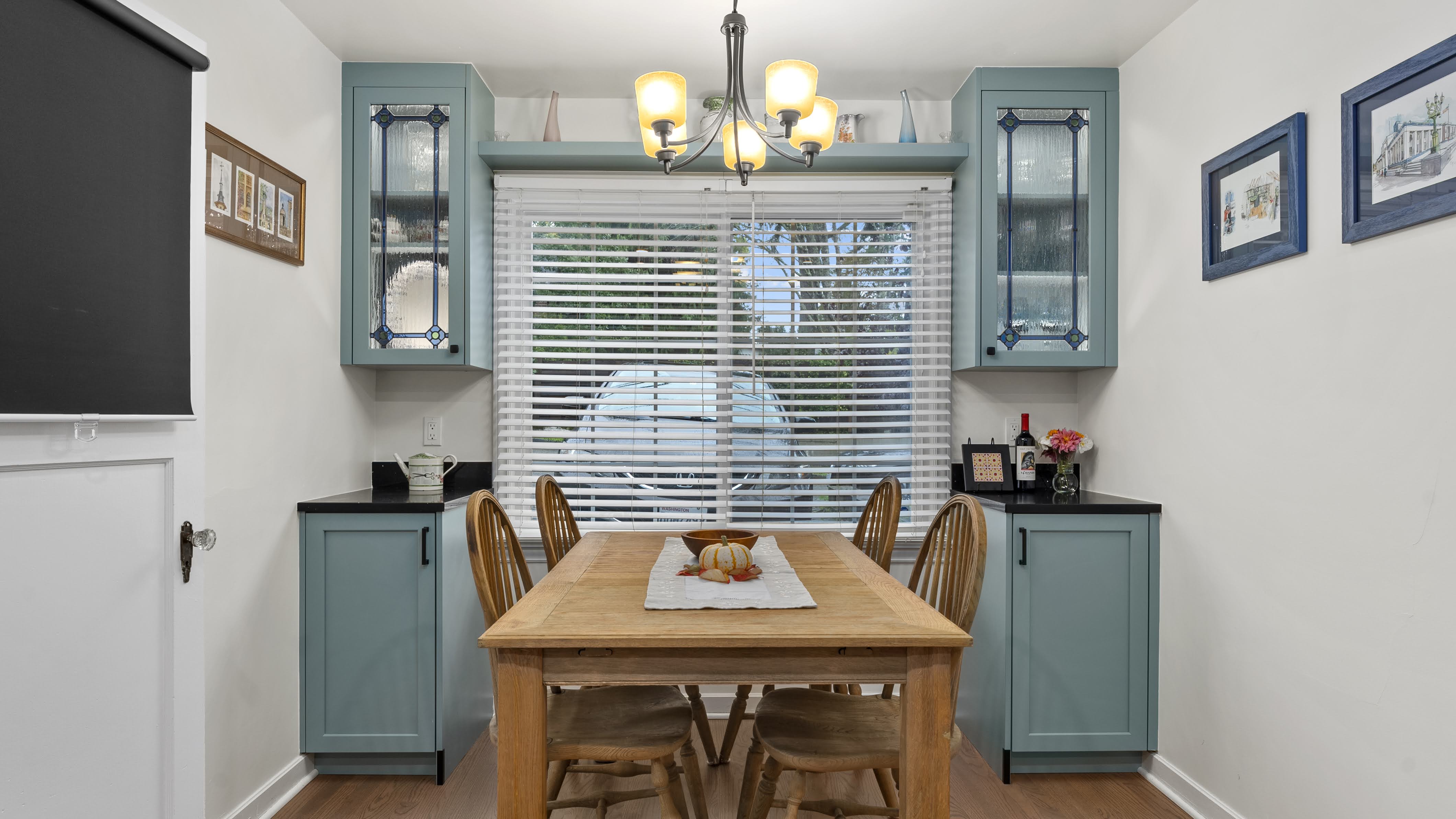
Walk through each room noting issues such as small kitchens lacking counter space, insufficient storage, outdated wiring, lack of backyard privacy, or poor insulation.
Categorize priorities into:
For homes over 25 years old, get inspections to uncover hidden problems before finalizing scope.
Align priorities with life stage: growing family, aging in place, or remote work.
Most full interior renovations follow a similar sequence, though the order and timing can shift depending on the scope, permits, and contractor availability.
Common phases may include:
Estimated timelines:
Project schedules vary, but tackling work in one coordinated phase can help limit repeated disruptions and contractor mobilization. Exterior projects, like fencing or landscaping, are usually scheduled after heavy equipment and major deliveries to avoid damage.
When planning finishes and layouts, consistency is key. Choosing a clear design style early keeps spaces cohesive, while durable, low-maintenance materials—like LVP or hardwood floors, quartz countertops, and long-lasting exterior elements—stand up to daily wear.
For kitchens and bathrooms, working with a designer or architect helps optimize layouts, storage, and flow. 3D renderings let you visualize changes and reduce costly revisions. For structural or exterior updates, plan access points, gates, and yard layouts upfront to avoid rework.
Hire a reputable licensed general contractor experienced in whole home remodels. Before you hire, ask for detailed bids to understand how much to renovate a whole house, including labor, materials, and any specialty trades. For exterior work, consider dedicated contractors working with your whole home renovation contractor.
Key points:
When we plan a full house renovation, we focus on putting the budget where it matters most and saving on finishes that are easier to update later.
These upgrades are harder or more expensive to redo, so investing here often pays off long term:
For finishes and non-structural choices, there’s usually more flexibility to reduce costs:
We recommend leaving technical or safety-related tasks to licensed pros, including:
Homeowners can often handle smaller jobs themselves, such as:
Before buying new, consider what can be refreshed or improved:
Planning deliveries and coordinating materials ahead of time can also help avoid delays and extra costs.
A full house renovation is about balancing budget, timeline, and design so every update works together. With clear goals, realistic costs, and the right team, we can help turn scattered upgrades into a cohesive, functional home that fits how you live today.
Use this guide as your planning checklist, then reach out to CraftHaus for personalized assistance. We will help you navigate your renovation, provide expert guidance, and create solutions tailored to your needs and budget. Contact us today to start bringing your dream home to life.
Costs can start around $50,000 for cosmetic updates and exceed $300,000 for gut renovations, with $60–$150 per square foot common. Final whole home remodel cost depends on square footage, age, structural work, and finishes. High-cost markets may run 20–40% above average.
A full remodel in one phase can help reduce overall whole house remodel cost by mobilizing trades once, buying materials in bulk, and avoiding repeated permits. It requires more upfront cash and temporary housing but often saves compared with phased projects.
Typical updates include flooring, paint, lighting, trim, and updated kitchens and bathrooms, with possible new doors or layout changes. Exterior work—like roofing, siding, windows, and fencing—may be bundled or handled separately.
Cosmetic projects usually take 3–6 months; down-to-studs renovations 6–12+ months. Older homes with code or system upgrades may take longer. Permits and material lead times can extend schedules.
Include specialty trades early to coordinate schedules. Fence installation is generally done after heavy equipment and major material deliveries.
.avif)
Find the right services for your home project.








.svg)

.png)


.svg)
