

Picture this: every spring, your basement smells musty, the carpet feels damp, and dark spots appear near the walls—signs of mold growth common in many older homes lacking moisture control.
A waterproof basement floor is designed to resist water from spills, leaks, and groundwater, preventing moisture absorption and mold development. Many U.S. basements experience water intrusion each year, and repairs can cost thousands of dollars. Choosing truly waterproof flooring, impervious to water and resistant to swelling or damage, is crucial. Installing moisture-resistant flooring is one of the most effective ways to reduce basement damage and mold risk.'
Whether you're planning a home remodel or simply upgrading your basement, this guide covers top waterproof basement flooring options, concrete slab preparation, moisture and vapor barriers, plus practical installation and maintenance tips, helping you protect your home and create a dry, healthy basement environment.
Before choosing basement flooring, assess how wet your basement gets. Moisture levels vary and affect flooring choices.
Light dampness only: Floor feels cold and slightly humid, no visible water.
Minor seepage: Dark spots appear after heavy rain, and the floor stays damp briefly.
Frequent flooding: Standing water or visible mineral deposits indicate serious moisture and hydrostatic pressure.
To test, tape plastic sheeting to the floor for 24-48 hours. Moisture under it means water is pushing through the concrete slab.
Concrete is porous, allowing groundwater pressure to force moisture up. Simple sealers often fail against this.
For flood-prone basements, choose removable options like loose-lay vinyl or rubber flooring that can be dried and reinstalled. For mild dampness, tile and laminate with moisture barriers work well.
Matching flooring to the moisture level is key to preventing damage and mold in your basement.
This section compares the most common waterproof basement flooring options available today. We'll look at durability, cost, moisture performance, and who each option works best for.
Waterproof flooring comes in a wide variety of styles and colors, allowing you to choose options that match your personal taste and home decor. Every material has strengths and weaknesses, the goal is finding the right match for your specific basement.

Raised-base or subfloor tiles can be used to allow airflow beneath the tiles, which helps reduce mold risk by allowing the concrete to dry.
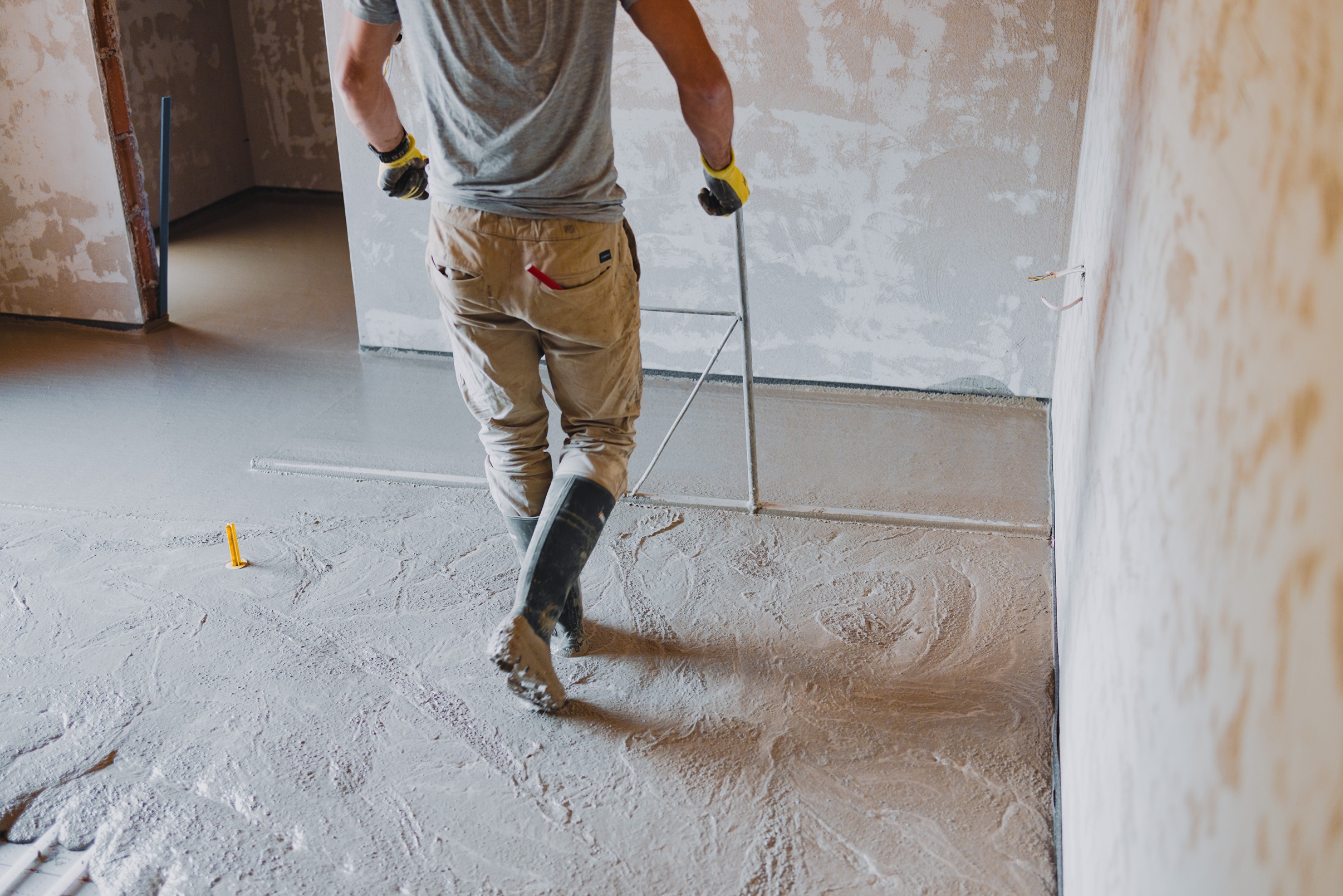
These terms are often confused, but they play distinct roles in a waterproof basement floor assembly.
Underlayment for basement floor adds comfort, reduces noise, and provides minor leveling beneath your flooring.
A moisture barrier for the basement floor and a vapor barrier for the basement flooring prevent moisture vapor from rising through the concrete. Typically, a 6-mil polyethylene sheet with taped seams blocks up to 90% of moisture.
Most manufacturers require a vapor barrier when installing laminate or engineered wood flooring over concrete below grade; skipping it may void warranties.
Some waterproof vinyl flooring comes with pre-attached moisture control pads, adding extra underlayment can cause issues. Always follow product guidelines.
Proper moisture control prevents mold by keeping organic materials dry. Even waterproof surfaces can trap moisture underneath, damaging underlayment, adhesives, or the concrete itself.
Cost per square foot varies widely depending on material, brand, and whether you DIY or hire a professional. Here's a comparison to help you plan your budget:
Costs are approximate and vary by region, brand, and installation complexity. While some options cost more upfront, they may last longer or better handle moisture, reducing future replacement costs. Cheap materials aren't always a good deal if they fail in 5 years. And while DIY can save money, improper installation can void warranties and cause expensive problems.
A quality waterproof basement floor can significantly boost your home value by turning a damp storage area into usable living space. Adding 500-1,000 sq ft of finished basement space is often worth far more than the cost of the flooring.
For an exact estimate tailored to your basement's specific conditions and needs, it's best to hire a home remodeling company to assess the project and provide a detailed quote.
Even the best waterproof basement flooring needs basic care to stay clean, safe, and performing well. The good news is that most waterproof options are easy to maintain.
Simple maintenance tips:
Controlling humidity with a dehumidifier is one of the most important things you can do for your basement. Aim for 40–50% relative humidity to protect your basement underlayment, prevent musty odors, and keep the entire space healthier. Run your dehumidifier consistently during humid months.
What to do after a leak or flood:
Here's an important warning: Ignoring minor moisture issues can lead to larger problems over time. If nearby walls, insulation, or stored items get soaked, mold can grow there and spread throughout the space, even if your floor itself is fine.
Many basement floor failures result from skipping essential preparation steps rather than choosing the wrong material. Avoid these common mistakes:
Surface coatings alone can't fix structural moisture issues drainage and sump pumps are necessary. Also, without proper drainage or crack isolation membranes, water trapped under tile can cause grout and tile damage. Always test moisture levels, follow manufacturer guidelines, and consult professionals when needed to ensure a lasting waterproof basement floor.
A successful waterproof basement floor requires the right material selection, proper concrete preparation, and effective moisture barrier installation. Getting all three right ensures a durable floor that can last for decades.
Waterproof vinyl plank flooring is often the most versatile option, offering easy installation, great value, and suitability for most moisture conditions. Other choices, such as ceramic or porcelain tile, rubber flooring, and waterproof concrete coatings, each excel in specific situations.
It's crucial to match your flooring choice to your basement's moisture level, budget, and intended use, whether it's a gym, bedroom, or storage space. Start by testing moisture levels and researching products tailored to your needs.
For the best results and to avoid costly mistakes, contact a professional home remodeling contractor. Experts can properly assess moisture issues, prepare the concrete slab, install moisture barriers, and ensure your waterproof basement floor performs optimally for years to come. Professional installation ensures long-term durability and protects your investment.
Yes, low-pile synthetic carpet tiles or area rugs work well over waterproof floors if the basement stays dry and humidity is controlled. Avoid thick wall-to-wall carpeting, as it can trap moisture and promote mold growth.
Most basement floors need a vapor barrier, especially under laminate or engineered wood. Some waterproof vinyl floors have built-in moisture barriers, so check the manufacturer's instructions before adding extra plastic.
Engineered wood is only safe in dry, well-controlled basements with proper vapor barriers. It's not fully waterproof and can warp if exposed to moisture.
With good prep and care, coatings like epoxy can last 10-20 years. Poor prep or wet slabs can cause early peeling.
Many waterproof vinyl floors have easy click-lock systems for DIY installation. Proper moisture testing and subfloor prep are essential to avoid problems.
Waterproof flooring is impervious to water and can withstand standing water without damage. In contrast, water-resistant flooring can handle moisture and spills but may be damaged by prolonged exposure. Choosing the right type depends on your basement's moisture level and usage.
Waterproof flooring helps reduce moisture exposure on the surface, limiting conditions that promote mold growth. However, controlling humidity and addressing leaks are equally important to prevent mold beneath or around the flooring.
Regular sweeping or vacuuming and occasional damp mopping with pH-neutral cleaners keep waterproof floors clean. Avoid harsh chemicals and promptly clean spills to maintain the floor's integrity and appearance.
Yes, many waterproof flooring options, such as vinyl and tile, are compatible with radiant heating systems. Ensure the flooring and adhesive are rated for use with radiant heat to avoid damage.
Remove any loose flooring, such as carpet tiles or rubber mats, immediately to help the slab dry. Use fans and dehumidifiers to thoroughly dry the area before reinstalling floors or repairing permanent flooring, to prevent mold and damage.
.avif)
Find the right services for your home project.







.svg)

.png)


.svg)
