

The kitchen work triangle is an imaginary triangle that connects your three main work areas—the sink, stove, and refrigerator. This design principle helps create an efficient path while you cook, so you spend less time walking back and forth and more time actually enjoying your meal prep.
The kitchen work triangle definition has remained remarkably consistent since the concept first appeared around the 1940s. Designers observed that most cooking tasks involve repeated movement between these three points. By positioning them at the right distances from each other, you create a natural flow that makes everything from chopping vegetables to plating dinner feel smoother.
Understanding what the kitchen work triangle is can help you design a space that feels intuitive and efficient. In this guide, we will explain the kitchen work triangle, outline the fundamental design rules, share recommended measurements for various kitchen sizes, provide layout examples for different kitchen styles, and discuss how modern concepts like work zones complement the traditional triangle.
The kitchen work triangle emerged from early 20th-century research into efficient housework and ergonomic design. Before ergonomic kitchen planning was formalized, many kitchens were designed without systematic attention to workflow.
In the 1920s, industrial psychologist and engineer Lillian Moller Gilbreth began applying time-and-motion studies to household tasks and developed a layout based on “circular routing,” which she showcased at a Women’s Exposition in 1929. Her work emphasized reducing unnecessary movement by placing the stove, sink, and refrigerator in a connected pattern.
In the 1940s, the University of Illinois School of Architecture’s Small Homes Council helped formalize these ideas for residential kitchen design. This created specific guidelines for the distances between the three main work areas that would promote efficient workflow.
Researchers at the University of Illinois School of Architecture analyzed kitchen movement patterns and helped formalize the spacing guidelines between the sink, stove, and refrigerator that define the modern kitchen work triangle.
This section details the main kitchen work triangle rule and the ideal kitchen work triangle dimensions. These guidelines are based on extensive research and practical experience, offering a dependable framework for kitchen design.
Key numeric guidelines include:
ElementRecommended RangeWhy It Matters
These measurements help balance comfort and efficiency by minimizing walking without creating congestion or safety issues.
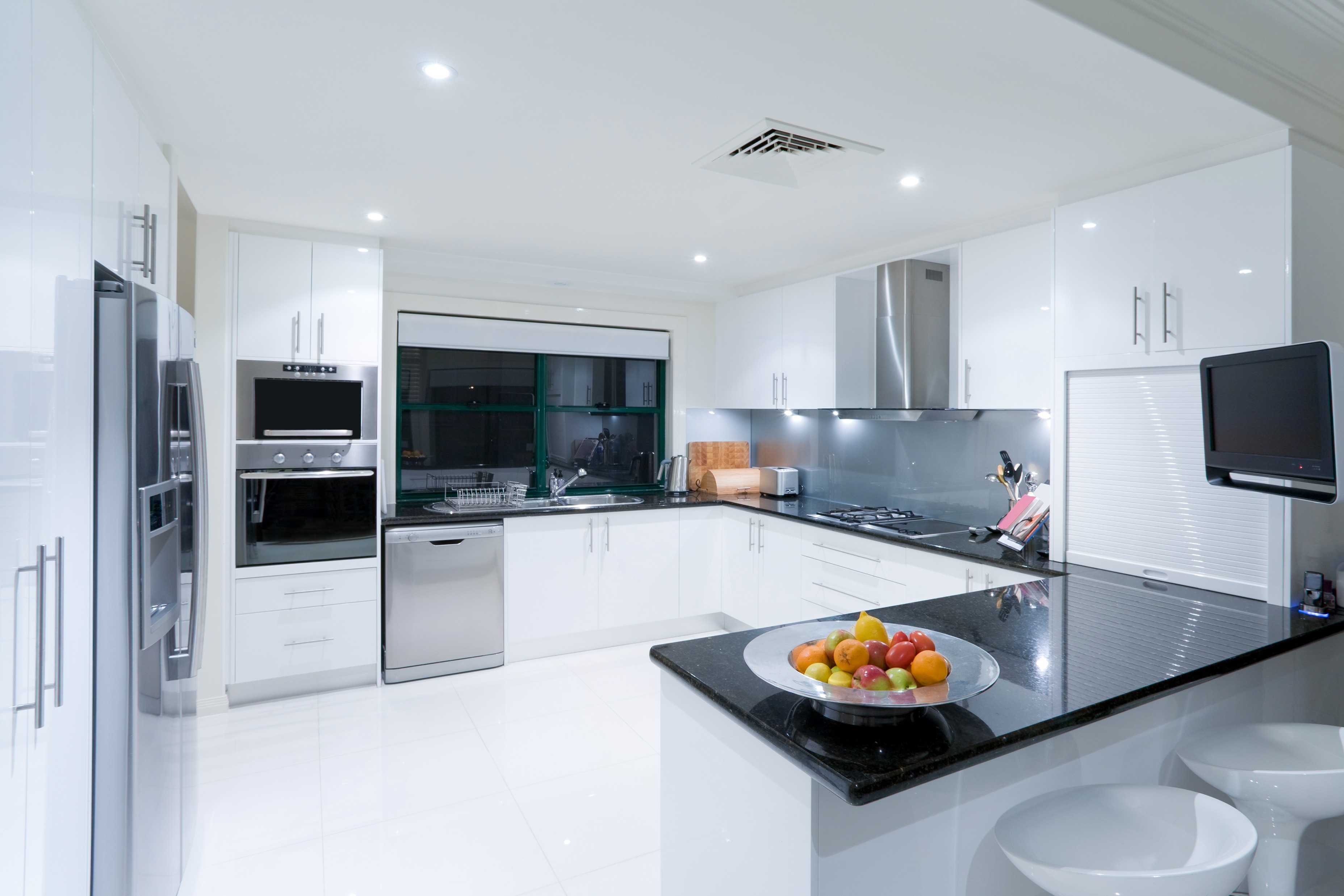
Understanding the essential parts of the kitchen work triangle helps you design a space that maximizes efficiency and comfort. The triangle connects the three most important areas you use while cooking, ensuring a smooth workflow. Let’s explore these core elements and how they contribute to an effective kitchen layout.
The kitchen applies to kitchens of all sizes, though measurements may adjust to fit your available space.
Here is a step-by-step approach to planning your kitchen design work triangle:
To visualize your kitchen work triangle layout, sketch the positions of the sink, stove, and refrigerator, and connect them with lines to check distances. Avoid routing traffic paths through the triangle, especially between the sink and stove, as this can create safety risks.
For complex layouts, consider consulting a professional remodeler to help you implement the kitchen work triangle effectively. Experienced remodelers can provide expert guidance on appliance placement, cabinetry, and workflow optimization, ensuring your new kitchen is both functional and stylish.
Taking advantage of kitchen remodel services can save you time, reduce costly mistakes, and deliver a kitchen tailored perfectly to your needs and lifestyle.
The kitchen work triangle fits common layouts like L-shaped, U-shaped, galley, island, and one-wall kitchens. The basic kitchen work triangle definition stays the same, but the shape and exact dimensions shift depending on room size and wall configuration.
For every layout, the same numeric kitchen work triangle measurements (4–9 feet per leg, 13–26 feet perimeter) remain the core target. Let’s look at how this applies to each common kitchen shape.
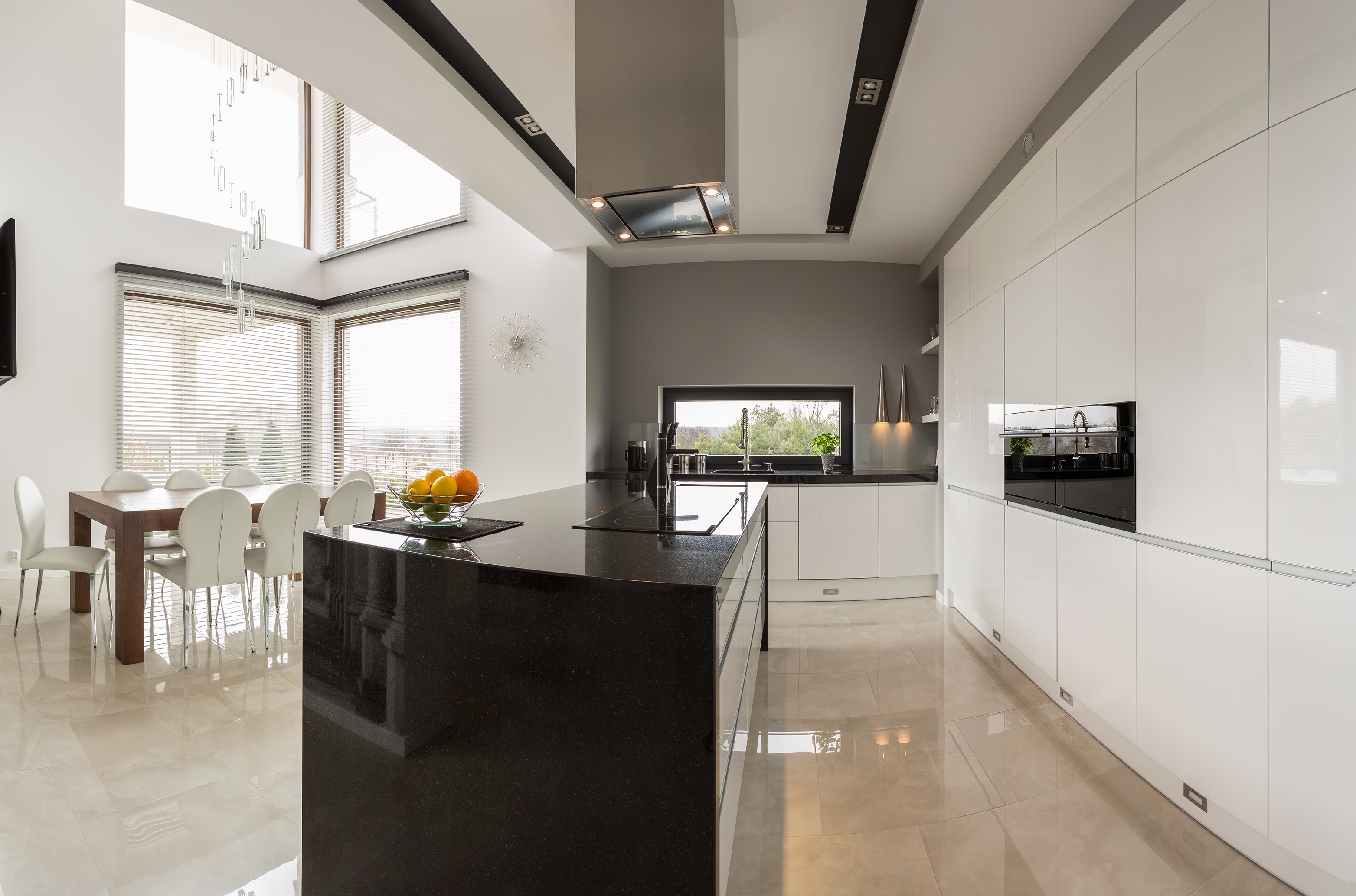
This section offers quick, practical kitchen design work triangle tips anyone can use when planning or remodeling. Following these guidelines helps you avoid common pitfalls that undermine kitchen efficiency.
Do This:
Avoid This:
Quick kitchen work triangle distance checks:
Distance Check Status Recommendation
Consider your daily routine when finalizing your layout. Consider where groceries come in, where kids sit to do homework, where trash and recycling go, and how people move through the space during meals. Adjusting the triangle to fit real life makes cooking feel natural rather than forced.
The kitchen work triangle remains a fundamental concept for designing efficient, practical kitchens. By arranging the sink, stove, and refrigerator in a triangular formation with appropriate distances, you can create a natural flow that minimizes unnecessary steps and enhances your cooking experience.
Whether you’re planning a kitchen remodel or a broader home renovation, incorporating the kitchen work triangle principle can significantly improve functionality and comfort.
However, achieving the ideal layout often requires careful planning and precise measurements. Hiring a professional remodeling contractor can make a big difference. They understand the nuances of kitchen design, including plumbing and electrical considerations and optimal appliance placement. They can help you balance aesthetics with practicality, ensuring your kitchen not only looks great but also works well for your daily routines.
Contacting a skilled remodeling professional can also help integrate modern features like kitchen islands or work zones without compromising the triangle’s efficiency. Investing in expert guidance during your remodel will save time, reduce costly mistakes, and result in a kitchen tailored perfectly to your lifestyle.
The ideal distance between the sink and stove is typically 4 to 6 feet, which fits well within the overall 4 to 9 feet guideline for each leg of the kitchen work triangle. This distance balances convenience and safety, allowing you to easily transfer hot or wet items without feeling cramped.
Yes, the main kitchen work triangle is defined by the primary sink, stove, and refrigerator. Additional sinks or refrigerators can be part of secondary work zones or mini-triangles that support the main cooking area.
In open-plan designs, the kitchen work triangle is confined to the kitchen space itself, often with one point on an island and the others on perimeter counters. It’s important to keep pathways clear of from seating or dining areas to maintain easy movement.
No special software is required; a pencil, a tape measure, and graph paper are sufficient for sketching your kitchen layout. Online kitchen planners can be helpful for visualization, but always verify measurements on-site before installation.
It’s common to adapt the kitchen triangle to existing plumbing and gas lines to avoid high remodeling costs. Small adjustments, like swapping appliance positions, can improve workflow without major changes.
While the traditional triangle focuses on a single cook, it can be adapted for multiple cooks by adding additional zones and workspaces. Larger kitchens often use work zones to complement, or even replace, the classic triangle for better collaboration.
Yes, the triangle remains a useful foundation, but modern kitchens often include additional zones for appliances like microwaves and dishwashers. These extra zones support the main triangle and improve overall kitchen functionality.
Counter space near each triangle point is essential for food prep and safety. Ideally, you should have at least 15 to 24 inches of counter space next to the sink, stove, and refrigerator for landing and prep areas.
Absolutely. A kitchen island can serve as one point of the triangle, housing the stove or sink, while the other two points are on perimeter counters. Just ensure the island doesn’t block clear pathways or intrude excessively into the triangle.
Avoid placing appliances too close (less than 4 feet) or too far apart (more than 9 feet) and keep pathways free of obstacles. Also, try not to let traffic flow cut through the triangle, especially between the stove and sink, to maintain safety and efficiency.
.avif)
Find the right services for your home project.








.svg)

.png)


.svg)
