

A realistic kitchen renovation timeline is built on verified lead times, not optimistic assumptions. For a mid-scope kitchen remodel, plan for:
Complex projects with structural changes, custom cabinets, or multiple trades often stretch to 16 to 20 weeks total.
The critical mistake most clients make is treating the construction phase as the entire timeline. In reality, planning, design, and permit approval can take just as long as the build itself — sometimes longer on large or custom projects.
So how long does a full kitchen remodel take when you factor in every phase? From first design consultation to final inspections, plan on 4 to 6 months. You can compress this timeline, but it takes three things: a contractor with open availability, materials ordered ahead of time, and fast decisions on your end.
💡 Pro Tip: Establish your full project timeline before selecting materials. Custom cabinets, stone countertops, and specialty appliances often have lead times of 6 to 12 weeks. Build these windows into your schedule before construction begins.
The kitchen remodel order of work is not arbitrary. It follows a precise construction logic designed to protect structural integrity, pass inspections, and prevent rework. Deviating from the correct sequence creates compounding delays that are expensive to resolve.
Here is the authoritative sequencing for a full kitchen renovation:
This phase sets the foundation for a successful kitchen remodel, including finalizing design, permits, material selection, and scheduling subcontractors. Complex projects may require additional approvals and engineering sign-offs. Confirming material availability before demolition is crucial to avoid delays.
Old cabinets, countertops, and appliances are removed during demolition. Structural changes and any discovered issues like outdated wiring or water damage are addressed in this phase. These surprises often cause unexpected delays.
Plumbing, electrical, and HVAC rough-ins are completed before walls are closed. This includes relocating gas lines and upgrading systems to meet building codes. An electrical inspection is usually required before proceeding.
After passing inspections, insulation is installed and drywall is hung and finished. This step can take longer if specialty wall treatments are specified.
Cabinets are installed before countertop templating and appliance placement. Standard installations take 2 to 4 days, while custom or complex setups may take up to a week. For cabinet refacing or repainting, surface prep and finishing must be completed first.
Countertops are templated once cabinets are level and installed. Fabrication usually takes 1 to 2 weeks and must be planned into the schedule.
Flooring and backsplash tiles are installed after countertops to protect finished surfaces. This sequencing helps avoid damage during countertop work.
Plumbing fixtures, electrical trim, and appliances are installed with coordinated scheduling among contractors. Proper coordination is key to avoid delays.
Final painting, hardware installation, and millwork details are completed. Lighting fixtures are also installed and adjusted during this phase.
Local authorities conduct final inspections to ensure code compliance. Any outstanding issues are documented and resolved before project completion. Scheduling these inspections in advance helps prevent delays.

Knowing how to plan a kitchen remodel at an estate or custom level takes more than picking finishes. You need a clear plan that accounts for contractor availability, material lead times, local regulations, and risk factors before the first nail is pulled.
The planning process should start with defining the full scope. Decide early whether the project involves:
Each option changes the complexity and length of every phase that follows.
A careful planning stage also sets a realistic budget. Build in a contingency reserve — typically 15 to 20 percent on complex projects, to cover surprises like hidden structural damage, outdated wiring, or material delays.
Stock vs. custom cabinets is one of the biggest timeline variables in any kitchen remodel. Stock cabinets are pre-manufactured in standard sizes and typically ship within 1 to 2 weeks — the better choice for tight schedules. Custom cabinets, built to your exact specifications, carry lead times of 6 to 12 weeks or more from order to delivery.
For estate renovations and custom builds, existing spaces rarely match standard cabinet sizes. Custom or semi-custom cabinets are often the only option that fits, plan for that lead time from day one.
Cabinet refacing offers a middle path, replacing the doors and drawer fronts while keeping the existing cabinet boxes. It's faster than full replacement, typically 3 to 5 days, and works well when the existing cabinets are sturdy and the floor plan isn't changing.
Several key factors determine how long a kitchen renovation timeline will run. Understanding them helps you build a realistic schedule:
Avoiding unexpected delays means planning for risk ahead of time, instead of reacting to it as it happens.
How long does a typical kitchen renovation take when you're not doing everything at once? Partial renovations, projects that target specific systems or finishes rather than a full remodel, move significantly faster. They still carry their own sequencing requirements and risks, though.
Keeping your kitchen functional during a partial renovation depends on smart phasing. An experienced general contractor will sequence the work to keep the "kitchen down" window as short as possible.
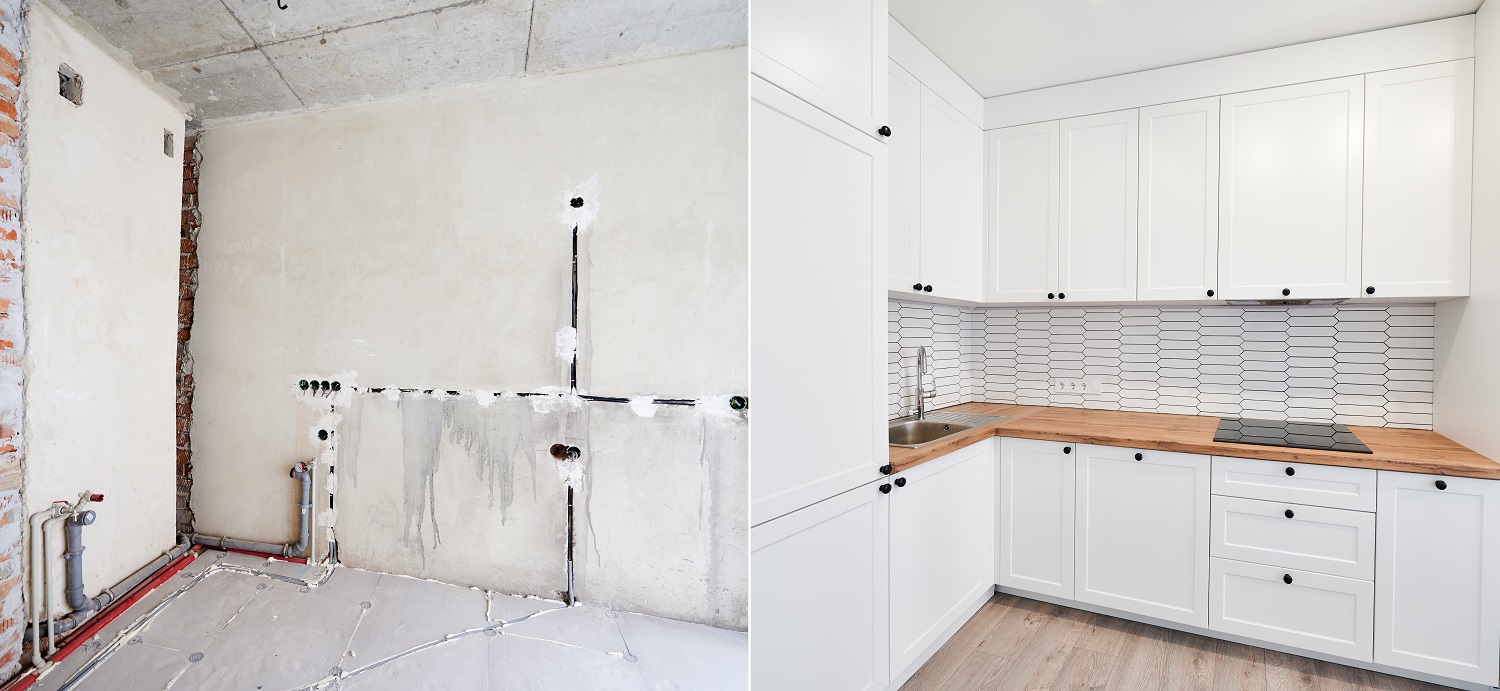
The following errors consistently extend kitchen renovation timelines beyond their planned duration.
A well-executed kitchen remodel timeline comes down to careful planning, disciplined sequencing, and coordination across every trade involved. The kitchen remodel order of work isn't flexible, following it protects your investment and keeps your finished kitchen on schedule.
Whether you're planning a targeted refresh or a full remodel, the pre-construction phase sets up everything that follows. Ready to build your project timeline? Contact the CraftHaus Remodeling team for a consultation tailored to your property and scope.
A full kitchen remodel usually takes 4 to 6 months, including planning, permits, and construction. Projects with structural changes or custom cabinetry can extend beyond 6 months due to longer lead times.
The proper sequence is demolition, structural changes if needed, rough plumbing and electrical, insulation and drywall, cabinet installation, countertop templating and installation, flooring and tile, finish mechanical and appliance hookups, painting and hardware, and final inspections. Following this order helps avoid rework and scheduling issues.
Standard cabinet installation typically takes 2 to 4 days, but complex layouts or custom cabinets can require up to a week. The cabinet lead time before installation varies widely, from 1-14 weeks depending on the type.
To avoid delays, define the full project scope early, engage contractors promptly, order materials during design, and submit permits well before construction starts. Also, include buffer times in your schedule and budget for unexpected challenges.
Common delays come from hidden issues found during demolition, late material deliveries, inspection scheduling gaps, and design changes mid-project. A thorough pre-demolition assessment and securing materials before starting can reduce these risks.
You can usually stay in your home, but the kitchen won’t be fully usable during most of the 6 to 12 weeks of active construction. Planning for temporary food prep and managing expectations about noise and dust are important.
.avif)
Find the right services for your home project.








.svg)

.png)

.png)


.svg)
