

An open concept kitchen removes the walls that traditionally divide the kitchen from the dining room and living area. It creates one continuous space that prioritizes natural flow, visual connection, and shared light. At the estate level, this layout is a deliberate design choice, not just a trend.
The success of an open concept layout depends on precision, ceiling height, structural load paths, island placement, and how range hood ventilation is worked into elements like shiplap ceilings or exposed steel beams. This matters most in mountain contemporary builds, ski-in/ski-out properties, and large-scale custom homes. Done well, this layout delivers a sense of scale that closed kitchens simply cannot replicate.
💡 Pro Tip: In open concept layouts, your range hood becomes a design feature, not a utility box. Commission a custom hood that anchors the kitchen zone visually within the larger great room.
A closed concept kitchen is a self-contained cooking zone, separated from other rooms by walls and doors, often French doors or a pass-through panel. It contains noise, smoke, and cooking odors within a defined space. For estate clients who entertain formally or employ household staff, this separation is a functional asset, not a compromise.
Closed kitchen designs have seen a strong revival in luxury interiors. Galley configurations within a closed footprint make the best use of prep space and workflow. Purpose-designed storage systems, floor-to-ceiling cabinetry, and integrated pantry walls turn the enclosed kitchen into one of the most efficient spaces in a high-end home.
💡 Pro Tip: If your property includes a separate caterer's kitchen or butler's pantry, a closed primary kitchen makes the whole layout work better — not just look better.
Open concept kitchen designs consistently command stronger resale premiums in contemporary mountain real estate markets. The National Association of Realtors ranks open-layout kitchen remodels among the top home improvements for return on investment. This is especially true in markets where buyers prioritize entertainment-ready spaces.
That said, resale value is market-specific. In Park City, Deer Valley, and comparable luxury ski destinations, buyers of estate properties with dedicated dining rooms and formal living areas may actually prefer a closed kitchen design.
💡 Pro Tip: Before committing to either layout, have your architect pull comp data on recent sales in your zip code. Layout preference shifts significantly between urban, suburban, and mountain luxury buyer pools.
This is a structural decision with long-term consequences. Work through it systematically:
The most successful open concept kitchen designs don't just remove walls, they define zones through architecture and materials. Here's what separates the best executions from average renovations:
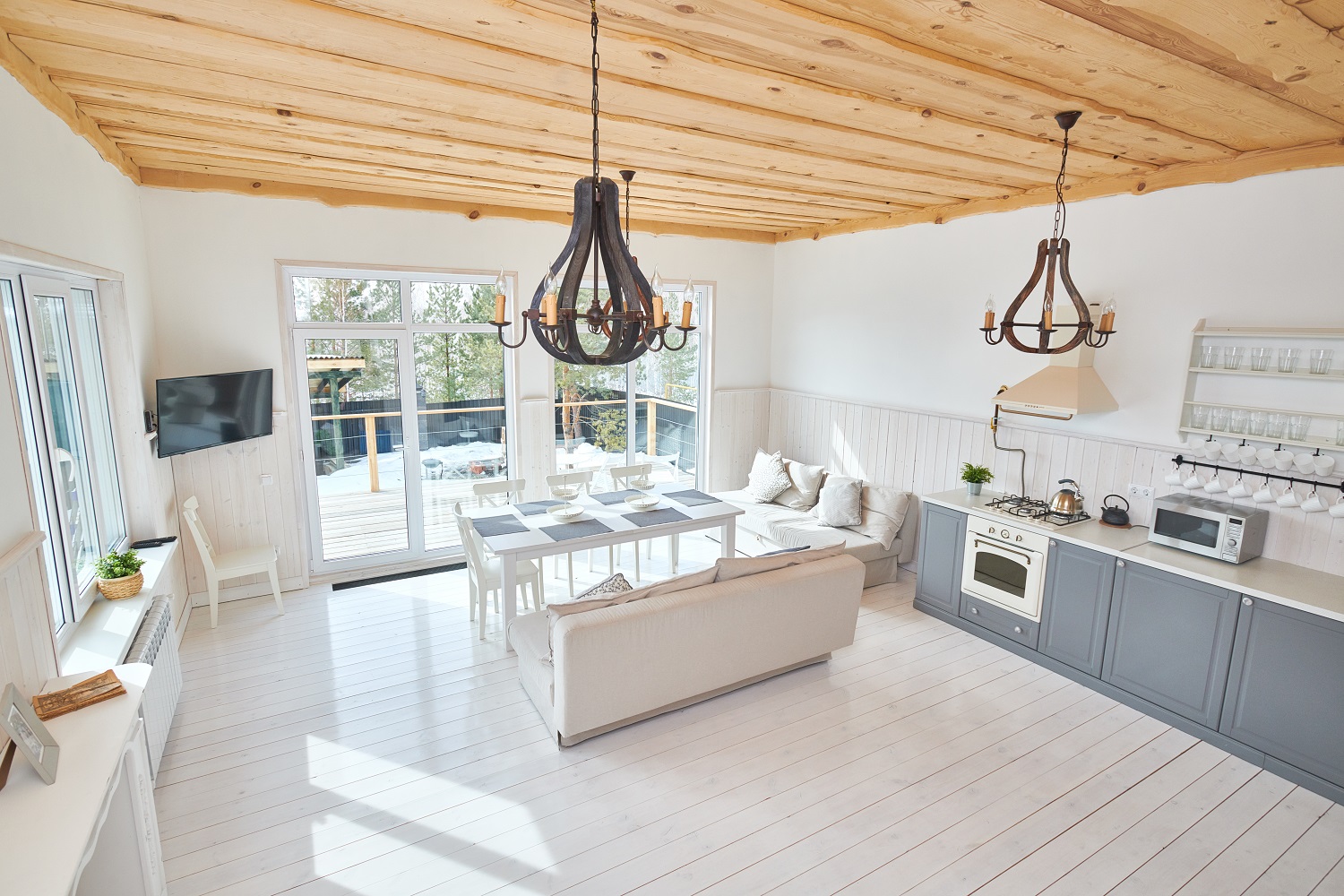
A closed kitchen design executed with precision is one of the most refined statements in high-end residential architecture. These ideas elevate the enclosed kitchen beyond its traditional associations:
💡 Pro Tip: A semi-open kitchen with a frameless glass partition is increasingly popular in high-end mountain homes. It delivers the acoustic separation of a closed kitchen with the sightlines of an open concept layout.
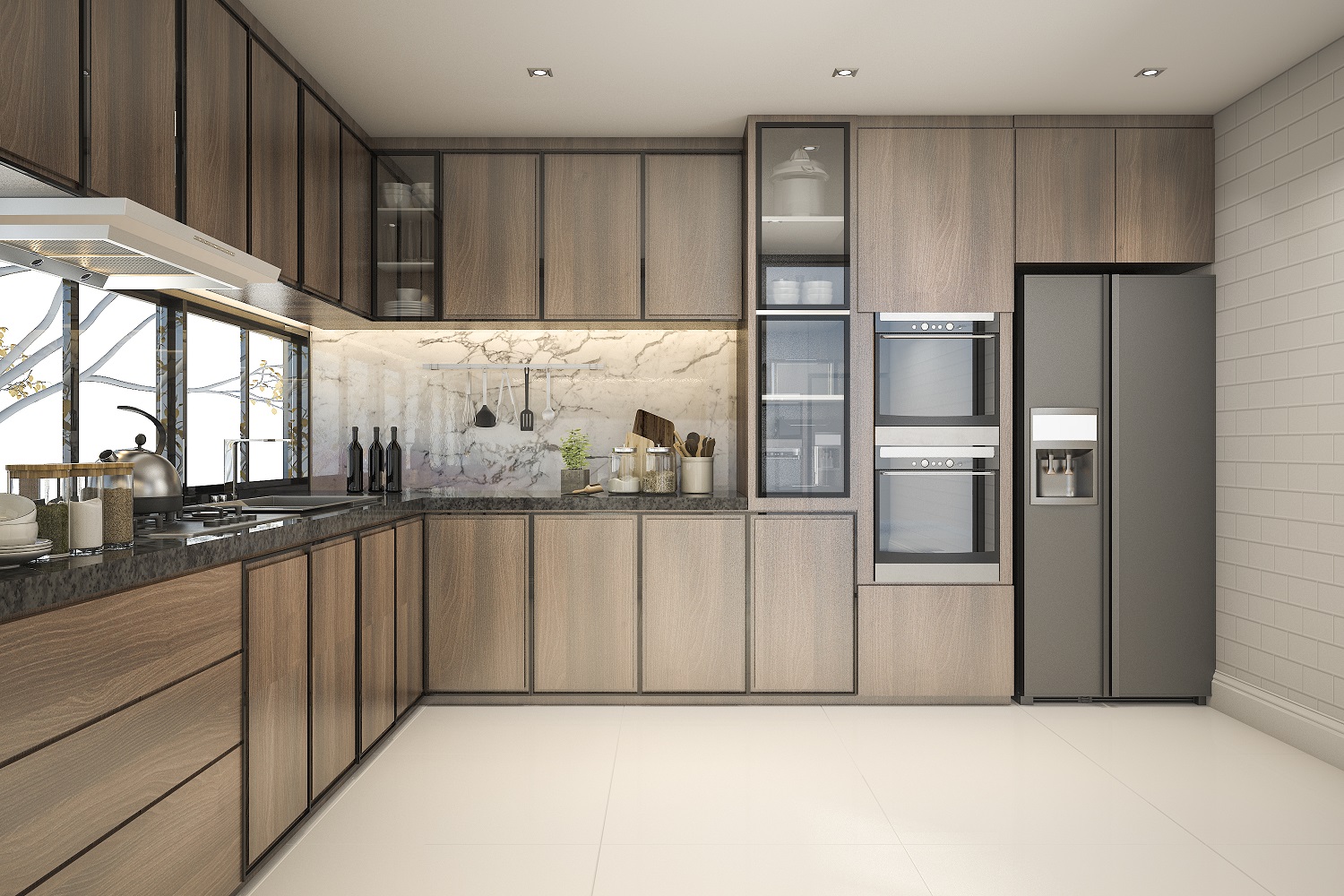
For family-friendly kitchen design, open concept layouts hold a clear advantage. Being able to watch kids in the living area while cooking, with no walls blocking the view, is one of the top reasons estate clients choose an open layout.
That said, family-friendly isn't purely about supervision, noise matters too. In large open concept homes, skipping acoustic treatment can make the space exhausting to be in, with cooking noise, appliance hum, and conversation all competing in one open area. Acoustic panels, island overhangs, and soft furnishings help control this and should be part of the plan from the start.
Open Concept Kitchen — Strengths:
Open Concept Kitchen — Limitations:
Closed Concept Kitchen — Strengths:
Closed Concept Kitchen — Limitations:
The choice between an open concept kitchen and a closed kitchen isn't about trend. It's about how your household lives and entertains, and what your property can structurally support. Open-concept layouts deliver natural flow, light, and social connection. Closed and semi-open kitchens offer precision, quiet, and the focus that serious cooking and formal entertaining require.
At CraftHaus Remodeling, we work through these decisions before a single wall is touched, aligning layout, structure, ventilation, and material with the full vision of your home. Ready to define your kitchen's role in your home? Contact our team for a design consultation.
In most contemporary luxury markets, yes, open concept kitchen layouts align with current buyer expectations and tend to command stronger premiums. However, in formal or traditional markets, a well-executed closed concept kitchen can be equally compelling. Always validate against local comparable sales before committing.
A semi-open kitchen uses a partial wall, glass partition, or pass-through window to connect the kitchen to adjacent spaces without fully removing the separation. It's a sophisticated hybrid that balances the acoustic and odor control of a closed design with the visual openness of an open concept layout.
At the luxury scale, structural wall removal with proper beam engineering typically runs $25,000–$80,000 before finishes. This doesn't include the full kitchen remodel scope, new cabinetry, appliances, and island, which adds to the total.
Yes. Without walls to contain cooking byproducts, open concept kitchens require high-performance range hood systems rated at 600–1,200 CFM or higher. Inadequate ventilation is the most common oversight in open concept kitchen remodels, and correcting it post-construction is significantly more expensive.
Absolutely. Strategic use of natural light (skylights, clerestory windows), full-height cabinetry with integrated lighting, and a cohesive material palette can make a closed concept kitchen feel expansive and refined.
Open concept kitchens excel for casual, integrated entertaining, guests can interact with the host naturally across the cooking zone, dining room, and living area. Closed kitchens are better suited for formal dining events, where the host prefers separation between the kitchen and the entertaining spaces.
.avif)
Find the right services for your home project.








.svg)

.png)
.png)


.svg)
