

A gut renovation means stripping a home down to its bare structure: removing walls, flooring, ceilings, plumbing, and electrical systems before rebuilding from the inside out. This is not a simple refresh or cosmetic update. It is a complete gut remodel that touches almost every system in the home.
This type of project is typically chosen when a home has outdated wiring, outdated plumbing, hazardous materials like lead paint or mold, or when a homeowner wants to completely rebuild the floor plan. Unlike standard remodeling costs, a full gut renovation cost covers structural, mechanical, and cosmetic work all at once.
To answer the question "what is the average cost to completely gut and remodel a house?", it varies widely based on square footage, location, and the scope of work involved. Most full gut renovation projects in the United States fall somewhere between $100 and $300 per square foot for a mid-range finish.
Here is a general cost breakdown based on project scale:
These figures represent the average range for a typical 1,500 square foot home. Larger homes, structural changes, or high-cost metro areas will push total costs considerably higher. Always treat these as general estimates and get multiple contractor quotes before committing.
💡 Pro Tip: Get at least three bids from licensed contractors before finalizing your budget. Cost estimates can vary by 20 to 40 percent between firms depending on their overhead and experience level.
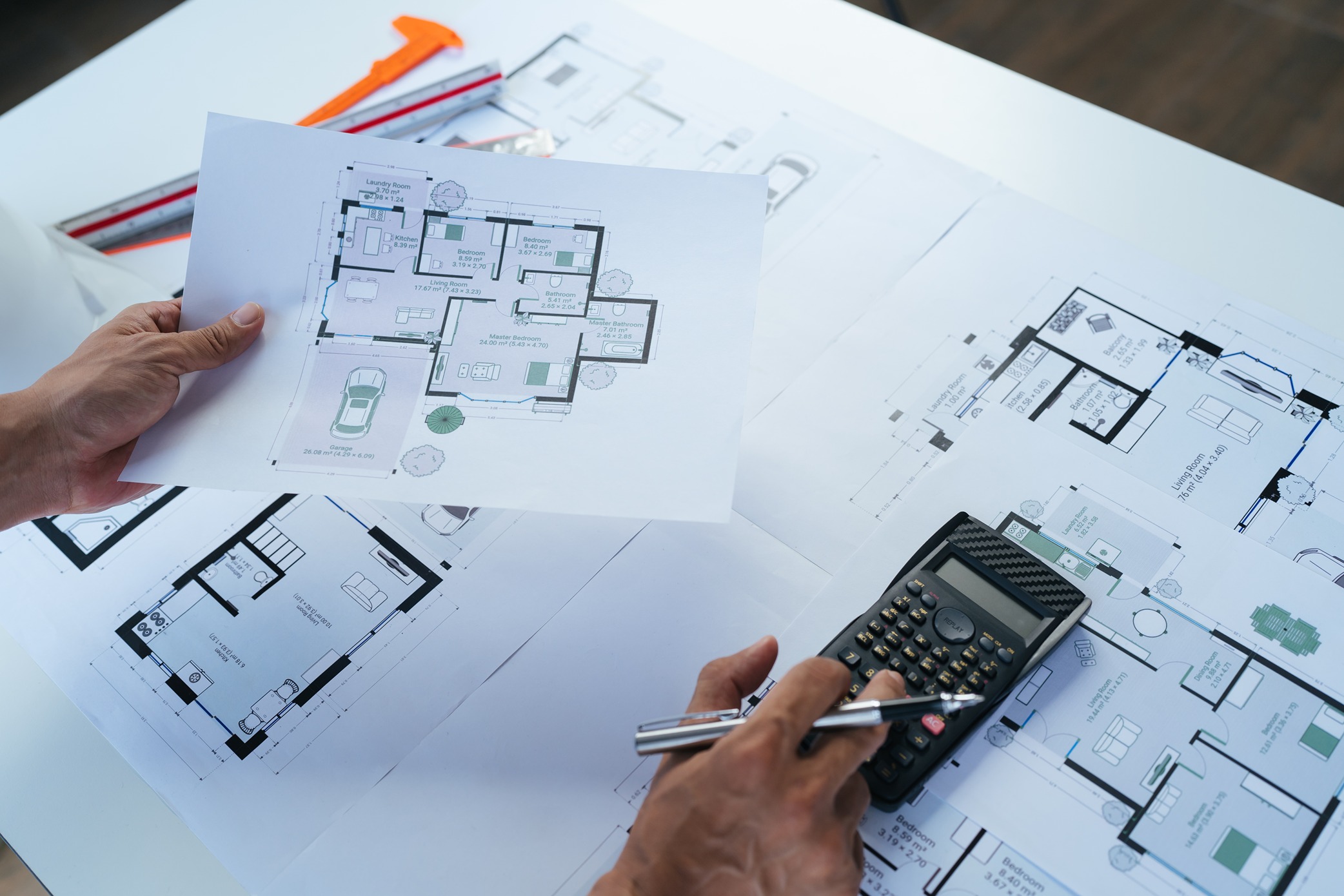
Several key factors directly influence the full gut home renovation cost. Understanding them helps you set realistic expectations before the first wall comes down.
Square footage is the most obvious driver. More living space means more materials, more labor hours, and higher permit costs.
Location plays a huge role as well. Labor and material prices in major cities can be double what they are in rural areas.
Structural changes such as moving walls, removing load-bearing walls (walls that carry the structural weight of the home), or reconfiguring the floor plan add significant cost. A structural engineer must be consulted whenever load-bearing walls are involved, and their fees add to the total project scope budget.
Age of the home matters enormously. Older homes often contain hazardous materials that require mold remediation or lead paint removal before any renovation work can begin. These unexpected costs can add tens of thousands of dollars to a gut renovation project.
Material choices are another major variable. Stone countertops, custom cabinetry, and high-end light fixtures cost far more than standard options. High-end projects using custom cabinets and premium finishes can easily double the base remodeling costs.
When you look at a complete gut renovation, the total cost breaks into several major categories. Here is where homeowners typically spend their budget during a full gut remodel:
Not every home needs a complete gut renovation. So how do you decide between a full gut job and a standard remodel?
A standard whole house remodel updates surfaces and finishes without touching the structural or mechanical bones of the home. A gut renovation, by contrast, tears everything out and starts fresh. The right choice depends on the condition of the existing structure and your long-term goals for home value and resale value.
Choose a gut renovation when:
Choose a standard remodel when:
💡 Pro Tip: A thorough home inspection before purchasing a property can reveal whether a gut renovation is necessary or avoidable. This single step can prevent costly surprises after closing.
Understanding the renovation process helps homeowners set realistic expectations for timelines and decisions during a gut renovation project.
Phase 1. Planning and design: Work with a structural engineer and design-build firm to finalize the floor plan, confirm structural changes, and lock in material costs before demolition begins.
Phase 2. Permits and approvals: Obtain all required building permits from your local municipality. Permit fees vary but skipping this step can result in costly fines or required demolition of unpermitted work.
Phase 3. Demolition: Strip the entire home to its existing structure. This is when hazardous materials are identified and removed through professional mold remediation or lead paint abatement.
Phase 4. Structural and mechanical rough-in: Address load-bearing walls, complete structural work, and install rough plumbing, electrical systems, and HVAC installation before walls are closed.
Phase 5. Insulation, drywall, and finishes: Rebuild interior walls, install new windows and interior doors, and apply flooring, custom cabinetry, and light fixtures.
Phase 6. Final inspection and punch list: Final inspections are required by your local building department before occupancy. Contractors complete any remaining items on the punch list during this phase.
A full gut renovation of an average-sized home generally takes several months to over a year depending on project scope, supply chain issues, and contractor availability.
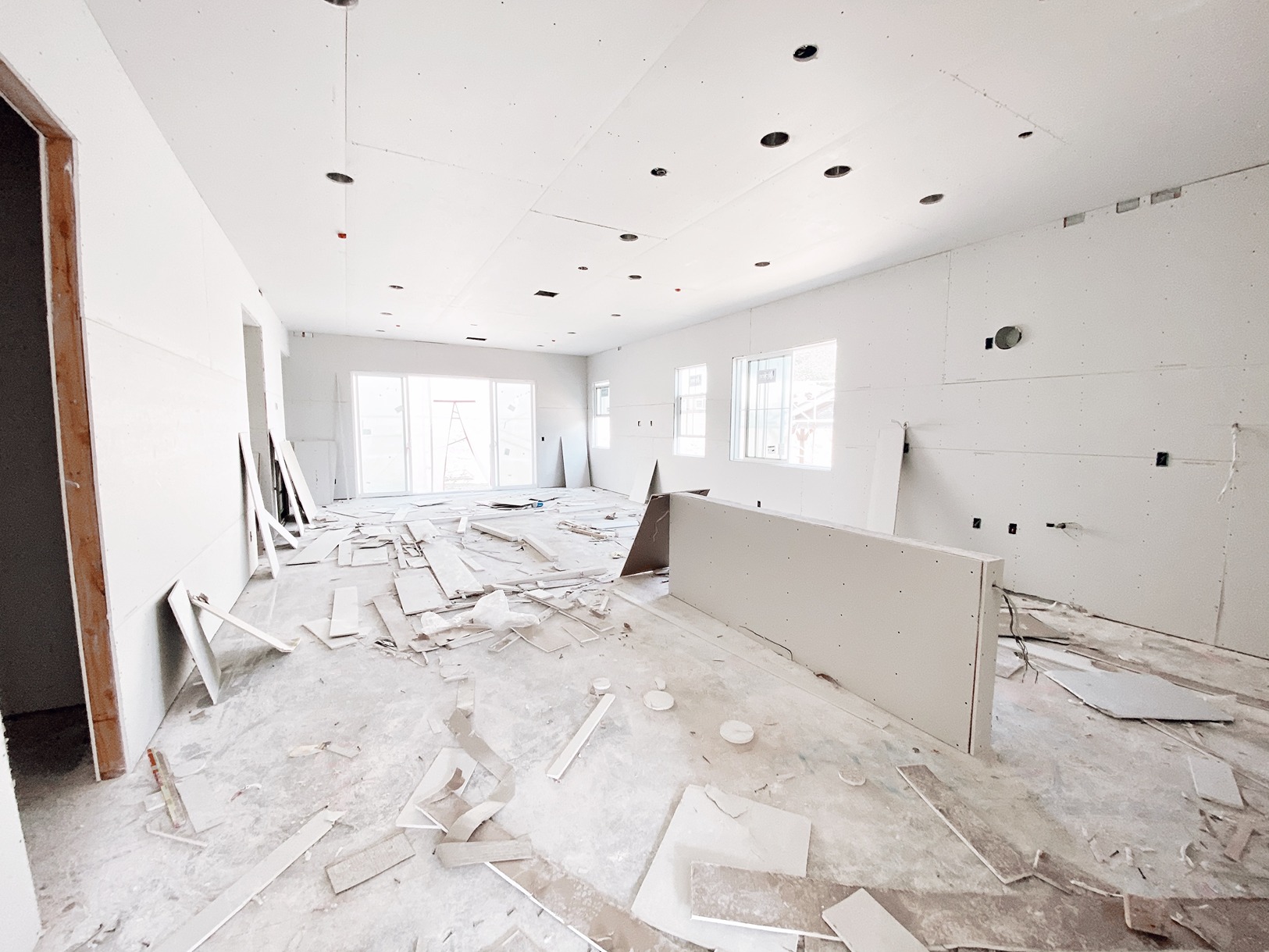
So, is the average cost to gut and remodel a house actually worth it? For most homeowners who plan to stay in the home long term or are purchasing a distressed property at below-market value, a gut renovation is absolutely worth it.
A high-quality remodel performed by experienced contractors can dramatically increase home value and resale value. Major renovation projects in kitchens and bathrooms, particularly in kitchens and primary bathrooms, typically offer strong returns when the home is eventually sold, provided total investment stays within the market ceiling for the neighborhood.
However, homeowners should be realistic about one important risk. If the full gut renovation cost pushes the total investment above what comparable homes in the neighborhood sell for, it becomes difficult to recoup that money through resale. This is commonly referred to as over-improving a property.
The best approach is to estimate costs carefully, set a realistic budget with a contingency fund of at least 15 to 20 percent for unexpected costs, and work with experienced design-build firms who can help you make smart choices about material costs and project scope from the beginning.
Reducing the full gut renovation cost without sacrificing quality requires smart planning. Here are proven ways homeowners save money during a gut remodel:
The average cost to gut and remodel a house is a significant investment, but it can transform an outdated or deteriorating property into a modern, high-value home. By understanding the key factors that drive gut renovation costs such as square footage, structural changes, material choices, and permit costs you can build a realistic budget and avoid the most common financial pitfalls.
Work with experienced professionals, plan for unexpected costs, and make decisions that protect both your living space and your long-term home value. Ready to take the next step on your renovation project? Ready to get started? Reach out to CraftHaus Home Remodeling and work with a licensed design-build team from start to finish.
The average cost to gut and remodel a house generally falls between $100 and $300 per square foot depending on location, materials, and project scope. High-end projects with custom cabinetry, stone countertops, and structural changes will sit at the top of that range.
A full gut renovation typically includes demolition, mold remediation, new electrical systems, plumbing, HVAC installation, insulation, drywall, flooring, a kitchen remodel, and all finish work. Building permits and permit fees are also part of every legal gut renovation project.
A complete gut renovation of an average-sized home generally takes several months to over a year depending on the complexity of structural changes, permit timelines, and supply chain issues. Larger or more complex gut renovation projects naturally take longer.
In most cases, living in the home during a complete gut renovation is not practical or safe, particularly during the demolition, hazardous material removal, and rough-in phases. Most homeowners budget for temporary housing as part of their overall renovation cost.
A well-executed gut renovation can significantly increase home value and resale value, particularly in homes with outdated plumbing, outdated wiring, and cosmetic deterioration. The key is ensuring the full gut renovation cost does not exceed what comparable homes in the neighborhood are worth.
.avif)
Find the right services for your home project.








.svg)

.jpg)
%20(1).jpg)
.png)


.svg)
