

Sustainable home remodeling means renovating your existing house with methods and materials that reduce environmental impact and energy use. It also improves the health of your living space. It is not a design trend, it's a financially sound strategy that protects your asset for decades. Thoughtful sustainable renovations can reduce a home's energy use by 25 to 40 percent, depending on scope and execution.
For owners of estate properties, mountain contemporary homes, and architecturally complex residences, the stakes are higher. A poorly planned renovation can compromise structural integrity, degrade air quality, and generate unnecessary construction waste. A well-executed sustainable home renovation protects the building envelope, respects the site, and delivers measurable returns.
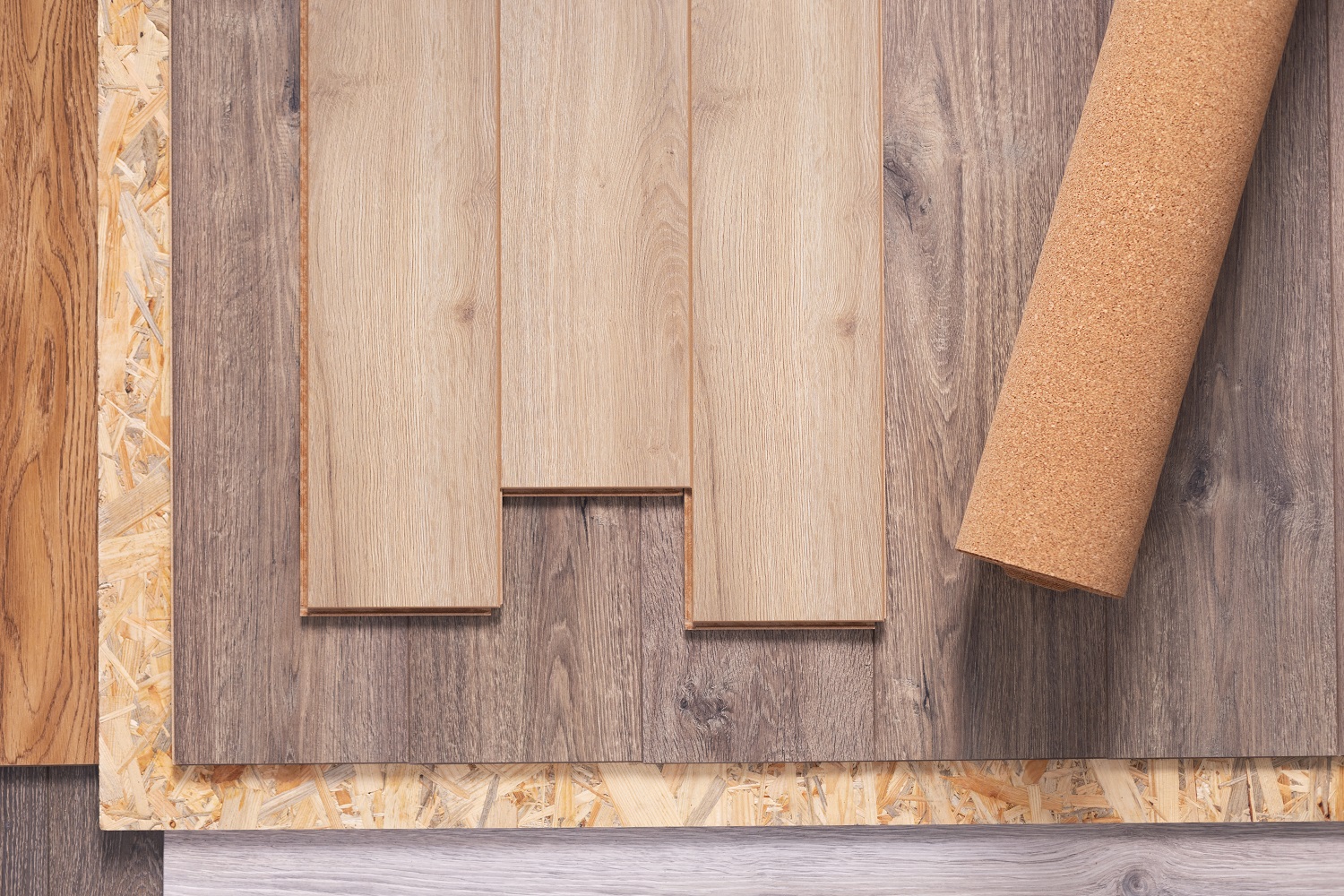
The best eco-friendly materials for home renovation in 2026 combine low embodied carbon (fewer emissions to produce), high durability, and non-toxic composition. Reclaimed wood, hempcrete, cork, recycled steel, and cross-laminated timber consistently outperform conventional alternatives on all three fronts.
Reclaimed wood refers to lumber salvaged from demolished structures, old barns, or decommissioned industrial buildings. It carries no new-harvest environmental cost and adds character that manufactured materials simply cannot replicate. In high-altitude and mountain contemporary builds, reclaimed Douglas fir and white oak are prized for their structural density and visual warmth.
Hempcrete is a biocomposite material made from hemp plant fibers and a lime-based binder. It provides excellent thermal mass, meaning it absorbs and slowly releases heat, which reduces demand on your heating and cooling systems. Hempcrete walls also regulate moisture naturally, which is critical in mountain climates where freeze-thaw cycles create persistent moisture challenges.
In home renovation, non-toxic building materials means choosing products that don't off-gas volatile organic compounds (VOCs), formaldehyde, or other harmful chemicals into your living space. Look for materials carrying certifications such as GREENGUARD Gold or Declare labels. Low-VOC paints, formaldehyde-free cabinetry, and water-based polyurethane finishes are foundational to any truly non-toxic renovation.
Improving your home's energy efficiency starts with sealing the building envelope, then upgrading mechanical systems, and finally integrating renewable energy sources. This sequence is deliberate. Installing solar panels on a leaky, under-insulated structure is like pouring water into a bucket with holes.
So, where exactly should you start your energy-efficient home renovation? The answer is always the envelope first.
Step 1: Commission an energy audit. A certified auditor uses blower door tests and thermal imaging to locate air leaks, thermal bridging, and insulation gaps throughout the structure.
Step 2: Address air sealing. Air sealing means closing gaps, cracks, and penetrations in the building envelope where conditioned air escapes. This is typically done with spray foam, caulk, or weather-stripping. Properly sealed homes require significantly less energy for heating and cooling.
Step 3: Upgrade insulation. After sealing, add insulation to walls, attics, and crawl spaces. Spray foam and rigid mineral wool board are preferred for high-performance applications. Target an R-value appropriate for your specific climate zone.
Step 4: Replace windows. Existing windows that are single-pane or poorly sealed are major sources of energy waste. Double-glazed windows with low-emissivity (low-E) coatings reduce heat transfer by up to 50 percent compared to standard glass. In mountain environments, triple-glazed units deliver even greater performance.
Step 5: Upgrade the HVAC system. Modern systems, particularly variable-speed heat pumps, move heat rather than generate it through combustion. This makes them two to four times more efficient than conventional gas furnaces. Heat pumps operate in both heating and cooling modes, eliminating the need for separate systems.
Step 6: Install a heat pump water heater. A heat pump water heater extracts warmth from ambient air to heat water, using roughly 60 to 70 percent less electricity than a standard electric water heater.
Step 7: Install solar panels. Once the envelope is tight and mechanical systems are optimized, solar panels can offset the remaining energy demand. A well-sized photovoltaic array can eliminate or dramatically reduce monthly utility bills.
Step 8: Add smart thermostats and energy monitoring. Smart thermostats learn occupancy patterns and optimize heating and cooling schedules automatically. Paired with whole-home energy monitoring, they provide real-time visibility into energy use and waste.
The kitchen is one of the most energy- and resource-intensive areas in the home, offering great opportunities for sustainable upgrades. Eco-friendly kitchen remodeling focuses on material choice, appliance efficiency, and water conservation. Sustainable countertops like recycled glass, paper composite, and reclaimed stone have lower embodied carbon than traditional materials and suit contemporary mountain kitchens.
Energy-efficient appliances, such as induction cooktops, typically operate at 80 to 90 percent efficiency, compared to roughly 40 percent for gas stoves. This improves both energy performance and indoor air quality.
The best energy-efficient heating solutions for renovated homes are heat pumps, radiant floor heating powered by renewable electricity, and geothermal systems. Each offers a distinct performance profile depending on the structure, climate, and renovation scope.
Heat pumps are widely considered the gold standard for sustainable heating and cooling. They operate by moving heat from one location to another rather than burning fuel to create it. Modern cold-climate heat pumps perform efficiently down to temperatures of minus 15 to minus 25 degrees Fahrenheit, making them viable even for high-altitude ski properties.
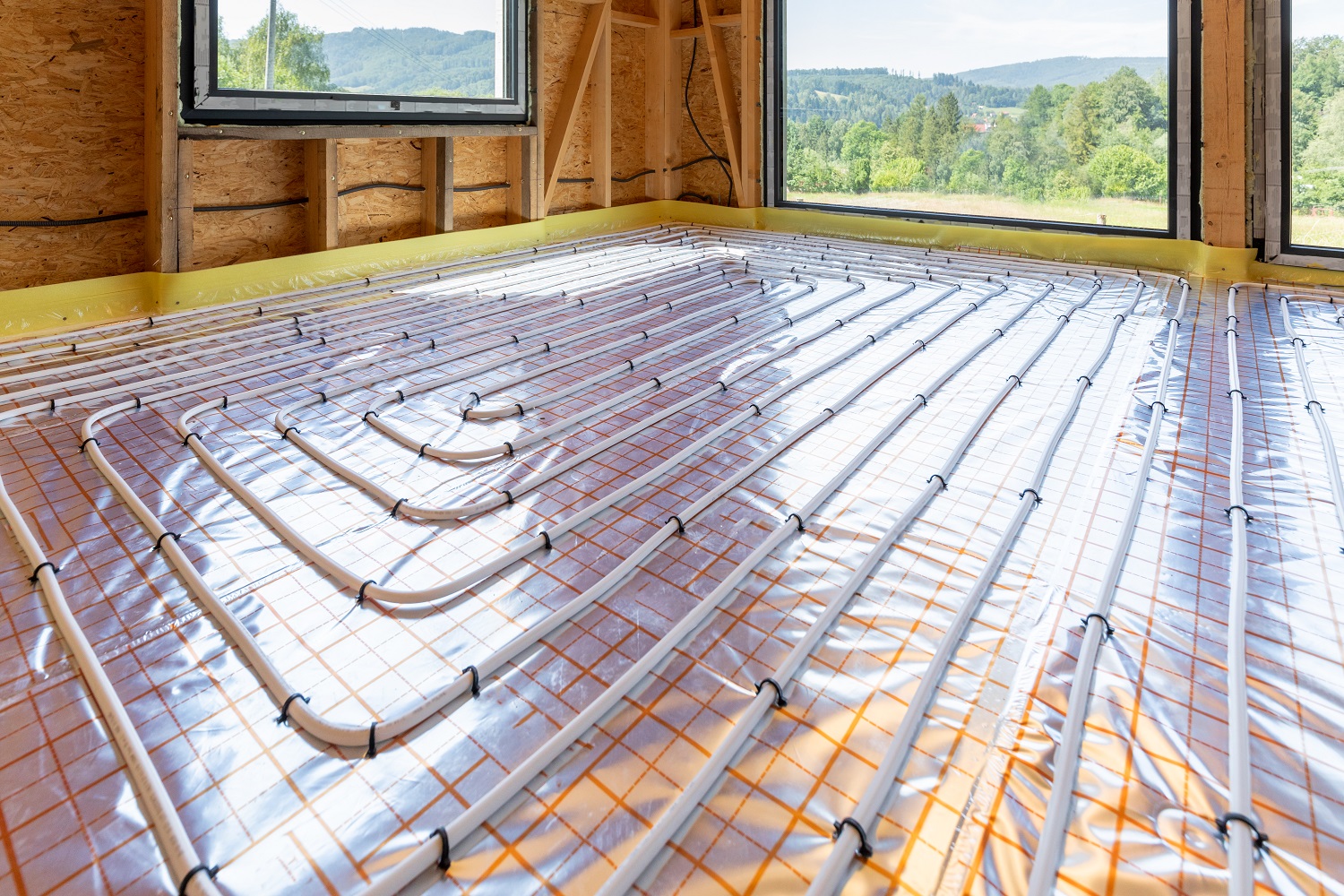
Radiant floor heating delivers warmth through pipes or electric elements embedded in the floor. When paired with a heat pump or solar-powered electricity, radiant systems provide silent, draft-free comfort with no air distribution. This eliminates airborne dust and allergens. It's an excellent choice for spa bathrooms and open-plan living areas in estate renovations.
Geothermal heating uses the stable temperature of the earth below the frost line as a heat source in winter and a heat sink in summer. Initial installation costs are typically higher than conventional systems, but operating costs are generally 40 to 70 percent lower. For large-scale estate properties, the long-term financial and environmental returns are substantial.
Indoor air quality is one of the most overlooked dimensions of sustainable home renovation. The Environmental Protection Agency estimates that indoor air can be two to five times more polluted than outdoor air. This is largely due to off-gassing from conventional building materials, finishes, and furnishings.
A truly sustainable renovation addresses this directly. Specify low-VOC paints and adhesives throughout. Choose cabinetry made without urea-formaldehyde binders. Install a whole-home ventilation system with heat recovery, called an HRV (heat recovery ventilator). This continuously supplies fresh, filtered air without sacrificing the energy efficiency of a tight building envelope.
Natural light is also a measurable part of a healthy indoor environment. Strategic skylight placement, larger windows, and tubular daylighting devices reduce dependence on artificial lighting and support wellness year-round.
Conventional renovation typically carries lower upfront costs but generates significantly higher operating expenses over time. Green remodeling involves a higher initial investment in materials and systems. In return, it delivers lower utility bills, reduced maintenance, and stronger resale value over time.
Sustainable home renovation also prioritizes material salvage, deconstruction over demolition, and reusing materials wherever it's structurally safe to do so. This reduces landfill waste and can generate tax benefits through material donation programs.
Sustainable renovation projects require closer coordination between architects, mechanical engineers, building scientists, and specialty subcontractors. For complex mountain builds and estate-scale renovations, hands-on project management and careful contractor vetting aren't optional — they're essential.
The federal tax credit landscape for residential energy improvements changed significantly in 2025. The Inflation Reduction Act (IRA) had created homeowner credits for heat pump HVAC systems, energy-efficient windows, insulation, and other efficiency upgrades, originally scheduled to run through 2032. The One, Big, Beautiful Bill Act ended these credits after December 31, 2025.
As a result, homeowners planning renovations in 2026 or later shouldn't assume these federal tax credits will be available. Instead, budget around local, state, or utility-based incentives for energy efficiency projects.
State-level incentive programs, utility rebates, and green mortgage products further reduce the net cost of sustainable renovation. A qualified financial advisor or green building consultant can identify the full range of available incentives before your project breaks ground.
💡 Pro Tip: For estate-scale renovations, spread incentive claims across tax years where possible. Work with a CPA who understands energy credit stacking to maximize both federal and state benefits without triggering an audit.
Sustainable home remodeling is not a compromise. It's a higher standard of building — one that delivers measurable financial returns, protects occupant health, and protects your property against rising energy costs and stricter regulations ahead.
From reclaimed wood flooring to geothermal heating systems and solar panels, the options available in 2026 are more sophisticated, more accessible, and more financially compelling than ever.
Starting with an energy audit, choosing non-toxic building materials, and investing in high-performance mechanical systems are the three moves that define every successful sustainable renovation.
Ready to get started? Contact the team at CraftHaus Home Remodeling for a consultation tailored to your property, your goals, and your timeline.
Start with a professional energy audit to identify where your home loses the most energy. This data drives every subsequent decision, from insulation to mechanical systems, and ensures your renovation budget delivers the highest possible return on investment.
Sustainable home remodeling generally costs more upfront than conventional renovation, typically in the range of 5 to 15 percent more depending on material choices and system upgrades. Long-term savings on energy bills and increased resale value typically offset this premium within several years.
Reclaimed wood, hempcrete, cross-laminated timber, cork flooring, and recycled glass countertops are among the top-performing materials for eco-friendly renovation in 2026. Each offers low environmental impact, non-toxic composition, and strong durability suited to high-end residential applications.
Yes. Air sealing, insulation upgrades, and smart thermostat installation are high-impact improvements that can be completed without a full-scale renovation. These targeted measures alone can reduce energy consumption by 15 to 25 percent in most existing homes.
The federal Inflation Reduction Act provides tax credits for qualifying upgrades including heat pumps, solar panels, energy-efficient windows, and insulation improvements. Credit amounts and eligibility criteria vary, so consulting a tax professional before finalizing your project scope is strongly recommended.
A cold-climate heat pump, ideally paired with a geothermal loop where site conditions permit, is the most sustainable heating solution for high-altitude renovated properties. These systems eliminate combustion entirely, operate on electricity that can be offset by on-site solar generation, and deliver consistent performance across extreme temperature ranges.
.avif)
Find the right services for your home project.








.svg)

%20(1).jpg)
.jpg)
.png)


.svg)
