

The average cost to remodel a small bathroom in 2026 generally ranges from $4,500 to $15,000 for a standard professional update. A full gut renovation removing everything down to the studs and rebuilding can push the total cost anywhere from $15,000 to $25,000 or more. Your specific number depends on the bathroom's layout, the scope of work, and your local labor market.
The national average bathroom renovation cost sits near $12,000 for a mid-range project. Small bathrooms, typically under 50 square feet, tend to cost less in raw materials but more per square foot because fixed costs like labor and permit fees remain constant regardless of room size.
Small Bathroom Remodel Cost by Scope (2026)
💡 Pro Tip: Get quotes from a professional contractor before signing anything. Costs vary widely between contractors, and a lower bid does not always mean better value. Verify insurance, licensing, and references first.

Several factors determine whether your bathroom renovation costs $5,000 or $20,000. The two largest line items are skilled labor and materials, together accounting for roughly 70 to 80 percent of the total project cost. Understanding each factor helps you make strategic decisions before work begins.
Labor costs: In 2026, licensed plumbers charge between $85 and $175 per hour in most US markets. Electricians command $60 to $145 per hour. Skilled labor shortages have pushed these rates up 6 to 10 percent year over year, making the labor cost to remodel a small bathroom a significant budget driver.
Material prices: Porcelain tile, plumbing fixtures, and vanities have seen modest price increases of 2 to 4 percent compared to 2025. A 50 percent tariff on imported bathroom vanities that took effect in late 2025 has pushed vanity costs up noticeably.
Structural changes: Moving plumbing lines, relocating a toilet, or removing a wall adds thousands to the budget. Projects that keep plumbing fixtures in their existing locations cost significantly less because rough-in work and inspections are minimized.
Permit fees: Most jurisdictions require permits for work involving electrical wiring, plumbing, or structural changes. Permit fees typically range from $200 to $1,000 depending on the municipality. Skipping permits creates code compliance risks and can complicate future home sales.
High-end materials and heated floors: Luxury upgrades like natural stone tile, custom vanities, steam showers, or radiant heated floors add significant cost. Heated floor systems alone typically add $500 to $2,800 to the total project cost.
A DIY bathroom remodel can cost between $1,500 and $10,000 depending on the scope of the work, compared to $4,500 to $15,000 or more for professional installation. The savings are real, but so are the risks especially when wet areas, electrical work, and plumbing are involved.
A disciplined budget process prevents the cost overruns that derail most bathroom renovation projects. Follow these steps in order to build a realistic plan before the first nail is pulled.
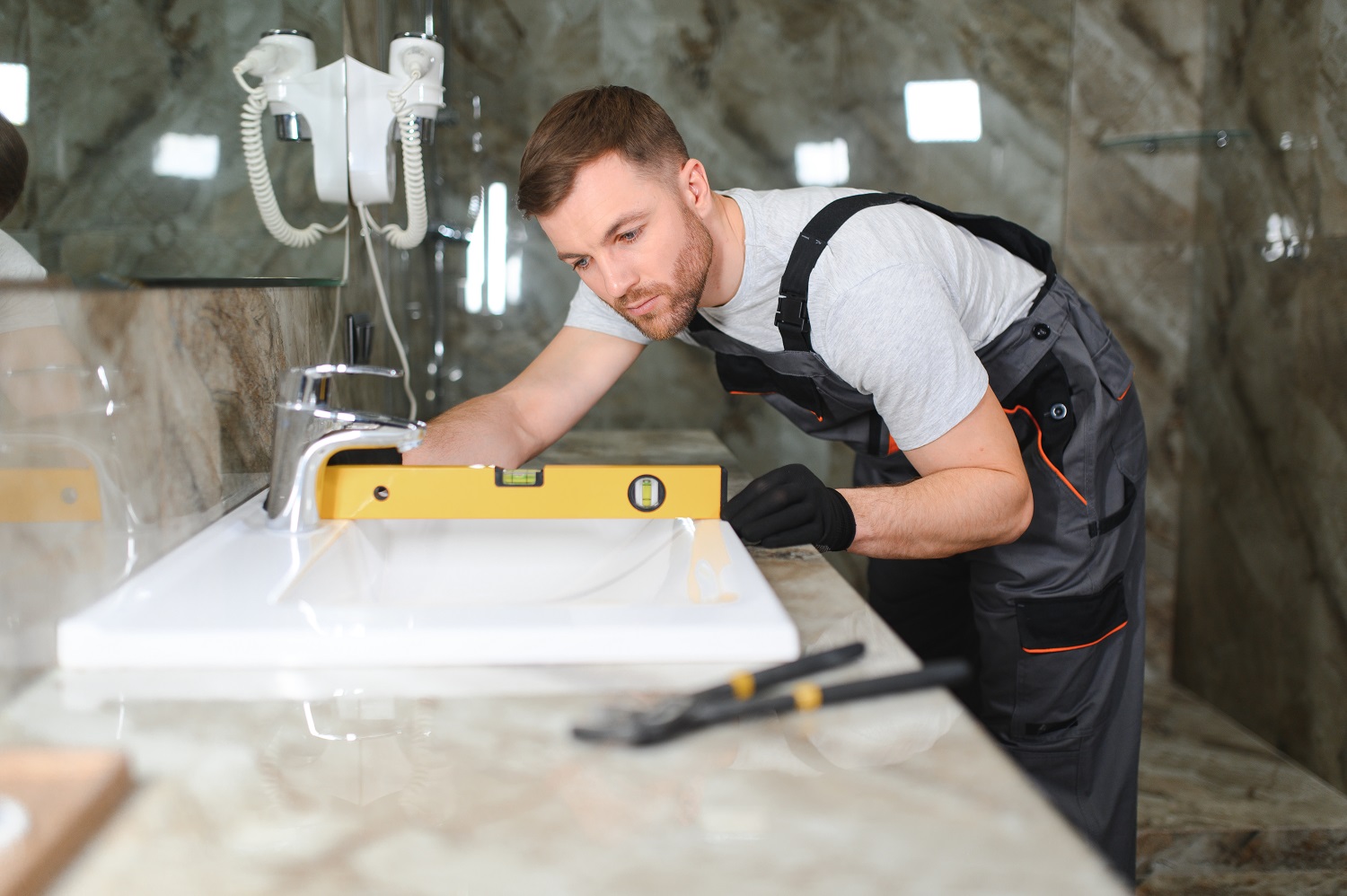
The cost to gut and remodel a small bathroom meaning a complete demolition down to the studs before rebuilding typically runs from $15,000 to $25,000 in 2026. This is the highest-cost scenario, but it is also the only path to correcting layout problems, addressing water damage, or fully modernizing outdated infrastructure.
Demolition itself typically costs $600 to $2,000 for a small bathroom. Once walls are opened, licensed trades complete rough-in plumbing and electrical wiring before inspections are conducted. This phase often surfaces unexpected expenses: corroded pipes, inadequate ventilation, or code-deficient electrical panels that must be remediated before work can continue.
So, how much does it cost to renovate a bathroom completely, from studs out? Add up demolition, rough-in labor, inspections, drywall, tile, flooring, cabinetry, plumbing fixtures, and a new shower or bathtub installation. For a small bathroom in the 35 to 50 square foot range, the sum typically falls between $15,000 and $25,000 for mid-range materials and professional installation.
Reducing the average cost to remodel a small bathroom does not require cutting corners. It requires making strategic decisions about where to invest and where to economize. The following moves deliver the most meaningful cost savings.
💡 Pro Tip: Countertop and vanity selection is where budgets most often expand beyond plan. Set a firm ceiling on this line item early. A mid-range vanity and a high-end custom vanity deliver nearly identical functional value in a small bathroom.
A small bathroom remodel delivers meaningful increased home value when scoped and executed correctly. Mid-range bathroom remodels have consistently returned 60 to 74 percent ROI according to the Remodeling Cost vs. Value Report, making them one of the more defensible home improvement investments available.
Luxury renovations, paradoxically, return less. High-end finishes in a small bathroom do not command proportionally higher resale premiums. The most effective remodels for resale value focus on essential upgrades: modern fixtures, neutral tile, an updated vanity, and fresh lighting.
The most expensive bathroom remodeling mistakes are made before demolition starts. These errors are preventable with disciplined pre-construction planning.
The average cost to remodel a small bathroom in 2026 is shaped by decisions made long before demolition begins, scope definition, material selection, contractor vetting, and permit planning. Homeowners who invest time upfront in these decisions consistently achieve better outcomes, fewer surprises, and stronger return on investment. Whether you are pursuing a modest cosmetic refresh or a full bathroom renovation, clarity on costs gives you control over the result.
Ready to move forward with your project? The team at Crafthaus Home Remodeling delivers precision in managed bathroom transformations with full transparency from first consultation to final walk-through. Contact us to ensure your bathroom remodel is handled professionally, meeting all safety codes and delivering quality results.
The cost to remodel a small bathroom varies based on the scope and materials used. Simple cosmetic updates are more affordable, while full gut renovations with plumbing and electrical work are significantly more expensive. Local labor rates also impact the final price.
Labor makes up a large portion of the total remodel cost. Plumbers, contractors, and tile installers charge varying hourly rates depending on the market and project complexity. Labor costs can be a substantial part of the overall budget.
Budget renovations focused on cosmetic improvements like paint, hardware, and lighting can keep costs low. Retaining the existing plumbing layout and handling simple tasks yourself reduces expenses further. Any work involving electrical, plumbing, or structural changes still requires licensed professionals and proper permits regardless of budget.
Mid-range remodels generally offer a good return on investment by improving key features that appeal to buyers. Essential upgrades such as neutral tile and modern fixtures tend to add value. High-end luxury upgrades in small bathrooms usually do not pay off as well.
A full gut renovation that involves removing everything and rebuilding is the most expensive option. This includes demolition, plumbing, electrical, and all new fixtures and finishes. Adding luxury materials or changing the layout will increase costs further.
The timeline depends on the extent of the remodel. Cosmetic updates are quicker, while full remodels with contractors take longer. Major renovations involving layout changes require the most time, and planning and permitting add to the overall duration.
.avif)
Find the right services for your home project.








.svg)

.jpg)
.png)


.svg)
