

Understanding the quartz vs granite countertops pros and cons starts with knowing what each material is. Granite is a 100% natural stone, quarried directly from the earth and cut into slabs. No two slabs are alike. Each granite slab displays its own unique patterns, mineral veins, and color variation, making it a centerpiece in high-end kitchens and luxury bathroom vanities.
Quartz countertops are engineered stone surfaces. They are manufactured using approximately 90 to 93 percent crushed quartz crystals bound together with polymer resins and pigments. This manufacturing process results in a non-porous surface that resists stains and bacteria at a level that natural stone cannot match without periodic sealing.
💡 Pro Tip: When evaluating stone countertops for a high-use kitchen, always request physical samples and view them under the same lighting conditions as your space. Colors and patterns read very differently in a showroom versus your actual home.
Before exploring each factor in depth, this table captures the essential differences between the two countertop materials side by side.
Both quartz and granite rank among the most durable countertop materials available to residential and commercial clients. The distinction comes down to their specific strengths under daily wear conditions.
Quartz countertops deliver exceptional scratch resistance and stain resistance because the resin that binds the crushed quartz crystals creates a sealed, non-porous surface. This surface resists stains from wine, oil, and acidic foods without any additional treatment. However, that same resin makes quartz countertops vulnerable to excessive heat. Placing hot pots or hot pans directly on the surface can damage or discolor the resin layer.
Granite countertops, formed under extreme geological pressure, are naturally resistant to heat at levels that quartz cannot match. Granite handles direct contact with hot cookware without risk of damage. Where granite requires discipline is in its porous composition. Without regular sealing, liquids can penetrate the stone surface and cause staining over time.
💡 Pro Tip: For kitchens where cooking intensity is high, granite countertops offer a practical advantage over quartz because of their superior heat resistance. Always use trivets as a best practice regardless of material, but know that granite gives you greater tolerance for accidental heat exposure.
Quartz wins decisively on maintenance. Because quartz countertops are engineered with a non-porous surface, they do not require periodic sealing. Routine cleaning with mild soap and water is sufficient to keep them in pristine condition. This makes quartz countertops a compelling choice for busy households and high-traffic commercial kitchens.
Granite countertops demand more attention. Because granite is a porous natural material, it must be sealed upon installation and resealed typically once every one to two years depending on usage and the specific stone grade. Without regular sealing, bacteria, oil, and acidic liquids can become trapped in the surface and cause permanent damage. With proper sealing, however, granite countertops are equally hygienic and resilient.
So how much maintenance are you realistically willing to commit to? If the answer is minimal, quartz is the clear choice. If you appreciate the ritual of caring for a natural material and value its unique character, properly installed and maintained granite countertops will serve you exceptionally well for decades.
💡 Pro Tip: Ask your stone fabricator for a premium impregnating sealer, a type of sealer that penetrates into the granite rather than coating the surface. These products typically extend the resealing interval and provide stronger long-term protection.
The quartz vs granite cost comparison is closer than most people expect. Both materials are premium investments, and pricing for each varies considerably based on grade, slab origin, fabrication complexity, and regional labor rates.
Granite countertops are generally priced by grade, with entry-level stones available at lower price points and exotic or rare slabs commanding a significant premium. Quartz countertops tend to have more predictable pricing tiers, with designer or specialty lines occupying the higher end.
When planning your installation, consider hiring a professional remodeling contractor to ensure precise fitting and long-lasting results. In Washington State specifically, installed quartz countertops typically fall in a higher range per square foot due to the material's consistent quality and low maintenance appeal. Granite offers more flexibility at the lower end but can escalate quickly with exotic patterns.
💡 Pro Tip: When evaluating cost, calculate the total lifetime investment. Granite may appear less expensive upfront, but factor in annual sealing materials and professional maintenance over a ten to fifteen year period.
This framework is designed for homeowners, architects, and design professionals evaluating which countertop material best serves a specific project. Work through each step before committing to either stone.
💡 Pro Tip: Do not evaluate countertop samples under fluorescent showroom lighting alone. Natural daylight and warm kitchen lighting will reveal undertones and surface texture that are invisible under standard retail lighting conditions.
Advantages
Limitations

Advantages
Limitations
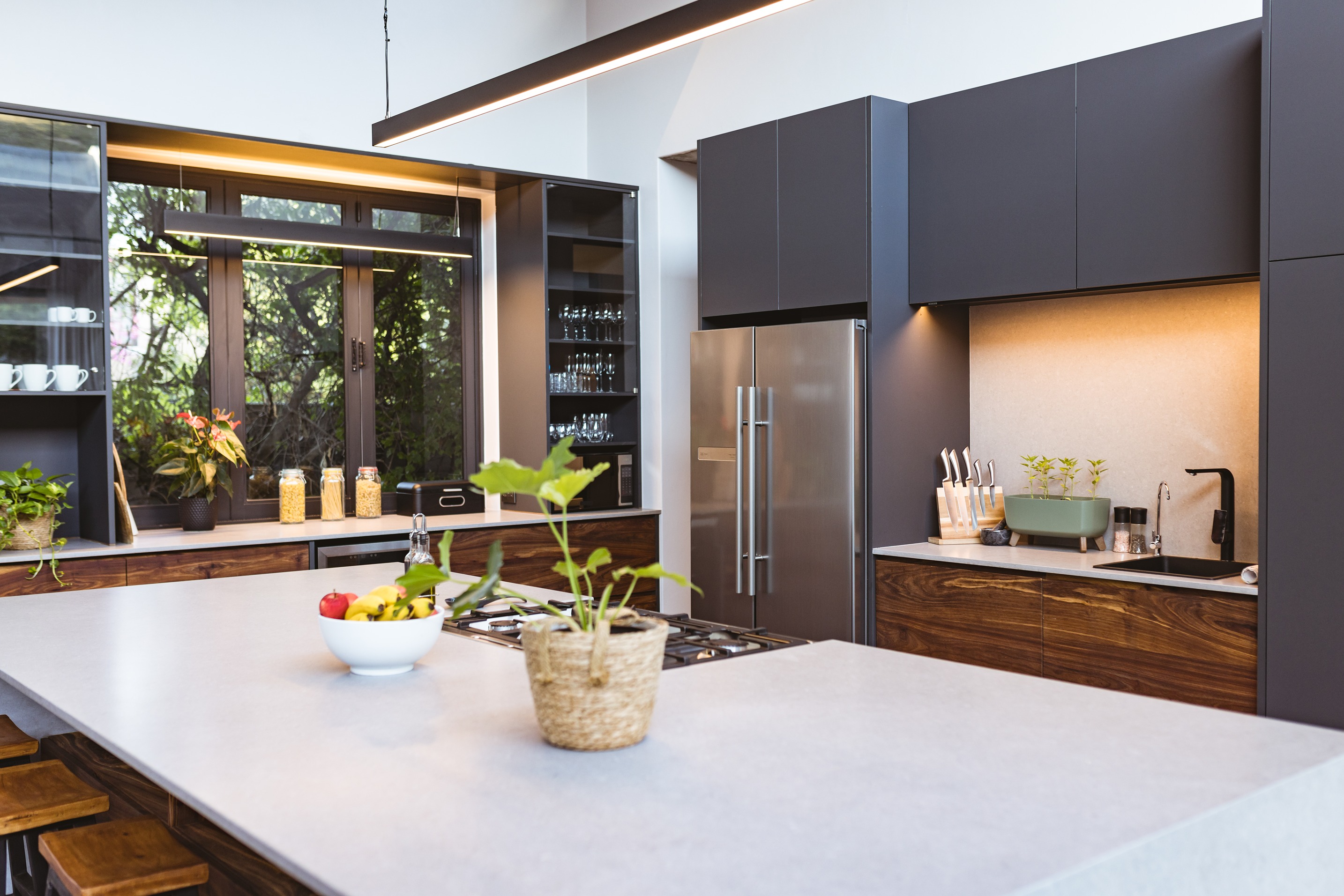
The aesthetic dimension of the quartz vs granite countertops decision is where personal taste takes precedence. Quartz countertops excel in modern kitchens and contemporary bathroom vanities where design continuity and clean lines are priorities. The engineered manufacturing process allows for consistent color matching across large installations, making it a preferred choice among interior architects working on open-plan spaces.
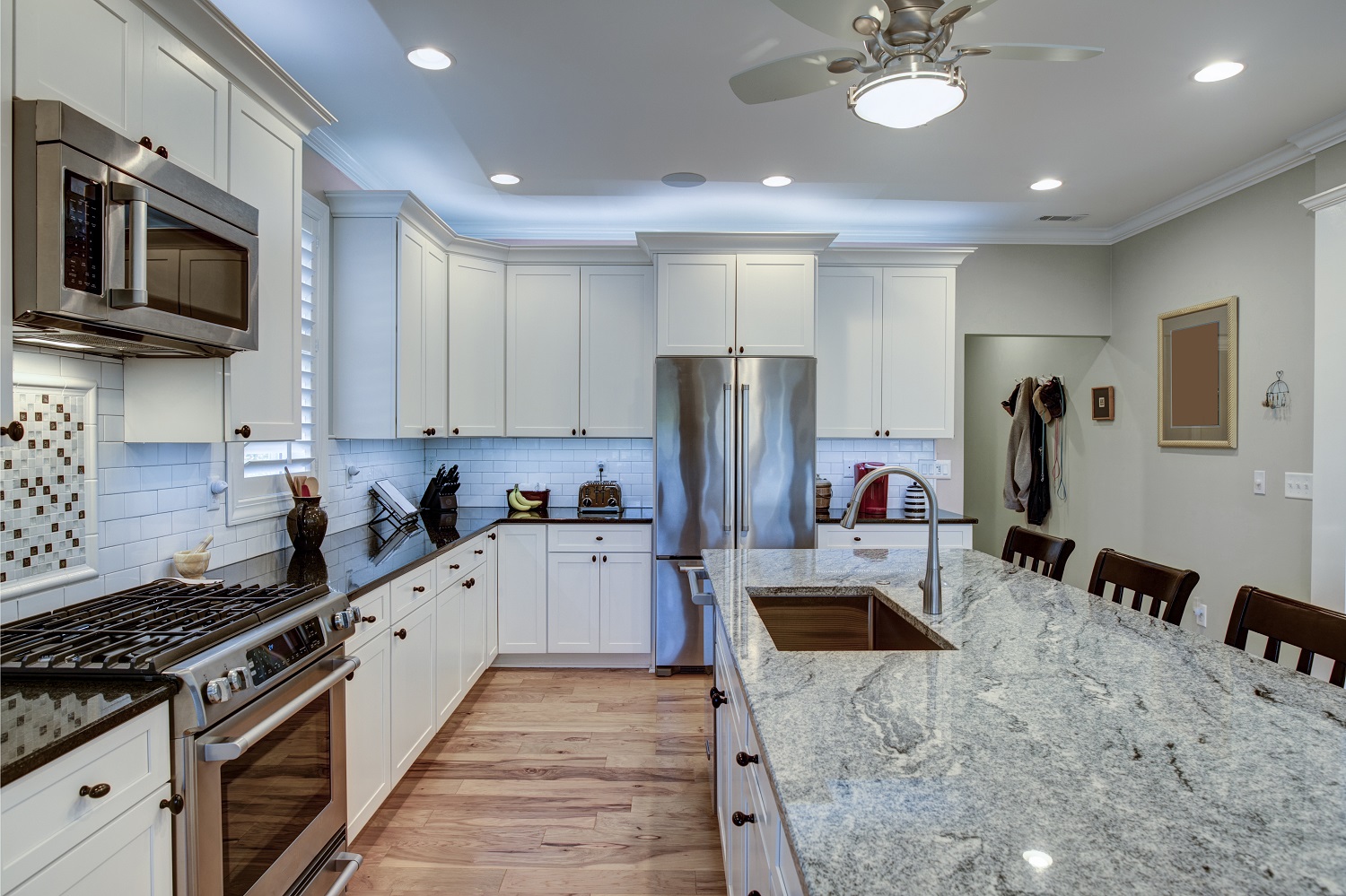
Granite countertops carry an irreplaceable sense of geological authenticity. Each granite slab is a singular creation of the natural world, and that uniqueness elevates kitchen and bath spaces with a depth of character that no engineered material can fully replicate. For estate renovations, mountain contemporary homes, and high-end remodels where natural materials define the design narrative, granite is an authoritative choice.
Is quartz better than granite for a modern aesthetic? Generally, yes. Is granite better for a traditional or transitional design language rooted in natural stone? Unquestionably. The right surface depends on the architectural intent of the space.
💡 Pro Tip: In luxury kitchen renovations, consider combining both materials. Use quartz countertops for the primary work surfaces where low maintenance appeal matters most, and granite on the island or bar area where the dramatic natural stone becomes a commanding visual focal point.
The quartz vs granite countertops pros and cons debate does not have a universal answer. Quartz countertops deliver unmatched low maintenance performance, consistent design, and stain resistance through an engineered non-porous surface. Granite countertops deliver natural authenticity, superior heat resistance, and a unique beauty that no manufacturing process can fully reproduce.
For modern kitchens demanding minimal upkeep and design consistency, quartz is the stronger choice. For spaces where natural stone character, heat resilience, and timeless aesthetics define the design vision, granite countertops are the authoritative selection. Both materials are highly durable, carry strong resale value, and represent a significant long-term investment in your property.
Ready to determine which countertop material is the right fit for your renovation? Contact our team for a comprehensive consultation tailored to your project.
It depends on your priorities. Quartz wins on low maintenance and stain resistance. Granite wins on heat resistance and natural beauty. Neither is universally better.
Granite typically needs resealing once every one to two years. Using a premium impregnating sealer at installation can extend that interval significantly.
No. Quartz is among the hardest countertop materials available and handles everyday use well. That said, always use a cutting board to protect both the surface and your knives.
No. The polymer resins in quartz can discolor or crack under direct heat. Always use a trivet. Granite is far more tolerant of accidental heat exposure.
The quartz vs granite cost gap is smaller than most expect. Quartz pricing is more predictable by tier. Granite varies by slab rarity. Factor in long-term sealing costs when comparing the two.
Granite. It is UV resistant and heat tolerant, making it the right choice for outdoor kitchens. Quartz fades and deteriorates under prolonged direct sunlight.
Both work well. Quartz is often preferred because its non-porous surface handles moisture and cleaning products without sealing. Granite performs equally well with proper maintenance.
.avif)
Find the right services for your home project.








.svg)

.png)
.png)


.svg)
