

The construction industry accounts for around 37% of global carbon emissions, according to the International Energy Agency. That number is pushing homeowners and contractors alike to rethink what they build with.
Sustainable home renovation materials are not just good for the planet. They are good for your wallet too. Energy-efficient choices can meaningfully lower your monthly energy bills and increase your property value at the same time.
In 2026, the range of available eco-friendly building materials is wider, more affordable, and more accessible than ever before. Whether you are remodeling a bathroom, adding insulation, or replacing flooring, there is a green alternative for nearly every application.
The best eco-friendly materials for home renovation combine low embodied carbon (the total greenhouse gas emissions produced during a material's manufacture and transport) with strong performance and long service life.
Reclaimed wood tops the list for many renovation projects. Salvaged from old barns, factories, and demolished structures, reclaimed wood gives new life to timber that would otherwise end up in a landfill. It carries rich character, exceptional strength, and zero demand for fresh-cut timber.
Recycled steel is another standout. Steel can be recycled indefinitely without losing structural integrity. Using recycled steel in framing or roofing dramatically cuts the energy tied to producing virgin steel. Recycled plastic lumber, made from post-consumer plastic waste, is also gaining ground for decking and exterior applications because it requires virtually no maintenance and resists rot completely.
Bamboo deserves a special mention. Technically a grass rather than a wood, bamboo reaches full maturity in three to five years compared to decades for hardwood trees. It offers impressive strength, natural beauty, and a dramatically smaller draw on natural resources.

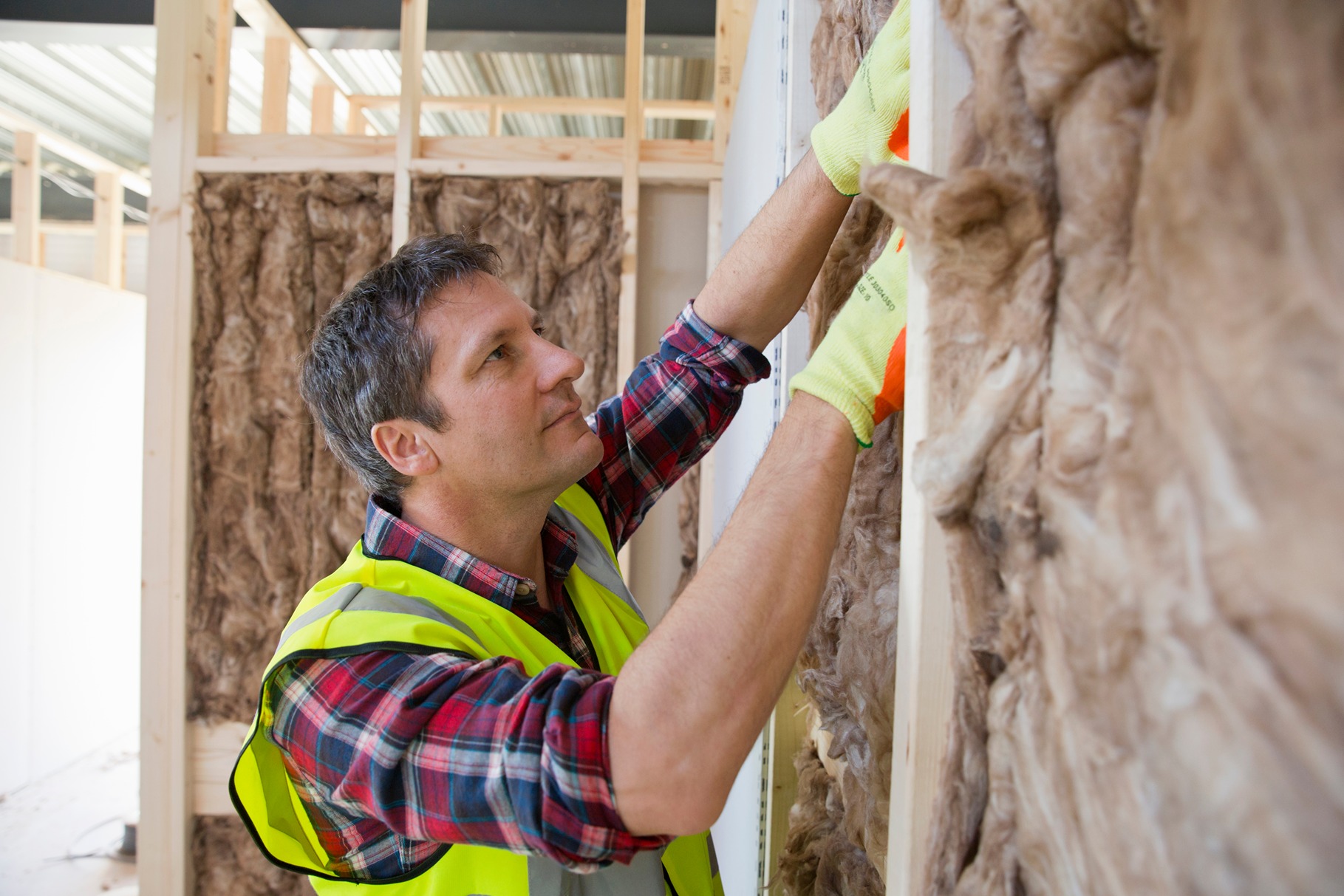
Good insulation is one of the highest-return investments in any renovation. It directly reduces energy consumption, keeps indoor air quality stable, and can significantly lower energy costs year-round.
Sheep's wool is a natural building material with exceptionally high insulating properties. It absorbs and releases moisture without losing thermal performance, which helps regulate humidity inside your home. It is also naturally fire resistant and free from the synthetic chemicals found in conventional insulation products.
Cork comes from the bark of the cork oak tree, which regenerates after harvesting without harming the tree. It offers impressive sound insulation and thermal performance, and it's naturally resistant to mold and pests. Cork is a renewable, biodegradable material that fits beautifully into a sustainable construction materials list.
Straw bale construction (building walls using tightly compressed straw bales as the structural or insulating core) may sound old-fashioned, but modern straw bale homes are highly energy-efficient. Straw bales deliver excellent insulation performance, keeping homes cooler in summer and warmer in winter, which directly reduces energy costs.
💡 Pro Tip: When comparing insulation options, look at the R-value per inch, which measures thermal resistance. Sheep's wool typically achieves an R-value of 3.5 to 3.8 per inch, making it competitive with many synthetic alternatives while offering superior moisture management.
Both reclaimed wood and newly certified sustainable timber are responsible choices, but they perform differently depending on your project goals.
Reclaimed wood carries very low embodied carbon, since no new trees are harvested and no new manufacturing takes place. It is ideal for flooring, accent walls, ceiling beams, and furniture-grade applications. The material already exists, so using it is the most environmentally responsible option available.
Certified sustainable timber, sourced from forests managed under programs such as the Forest Stewardship Council (FSC) certification standard, is a strong alternative when reclaimed wood is unavailable or unsuitable. FSC certification ensures that forests are managed in a way that preserves biodiversity and replenishes natural resources.
For structural framing where appearance is less critical, recycled steel often outperforms both. It eliminates construction waste tied to wood offcuts, resists fire and pests, and has a predictable long-term performance record.
Selecting the right sustainable building materials requires thinking about your project type, budget, and long-term performance expectations. Here is a practical framework for making smart choices.
Start with an energy audit (a professional assessment of where your home is losing heat or cooling efficiency) before purchasing any materials. This tells you exactly where eco-friendly improvements will deliver the greatest energy savings.
Walls, roofs, and windows account for the largest share of a home's energy loss. Upgrading insulation and installing energy-efficient windows (windows rated with low U-factors and high solar heat gain coefficients appropriate to your climate) should come before cosmetic updates.
Look for materials carrying recognized certifications such as FSC for timber, Cradle to Cradle for product lifecycle performance, or GREENGUARD for low chemical emissions that protect indoor air quality.
Eco-friendly materials often carry a moderately higher initial price. However, when you factor in reduced energy bills, lower maintenance needs, and longer service life, most sustainable home renovation materials save money over a ten to twenty-year horizon.
Local and regional materials reduce the carbon emissions tied to transportation. Clay bricks, for example, are often available from regional producers and carry a far lower transport footprint than imported alternatives.
No discussion of sustainable home renovation materials in 2026 is complete without addressing windows and renewable energy systems.
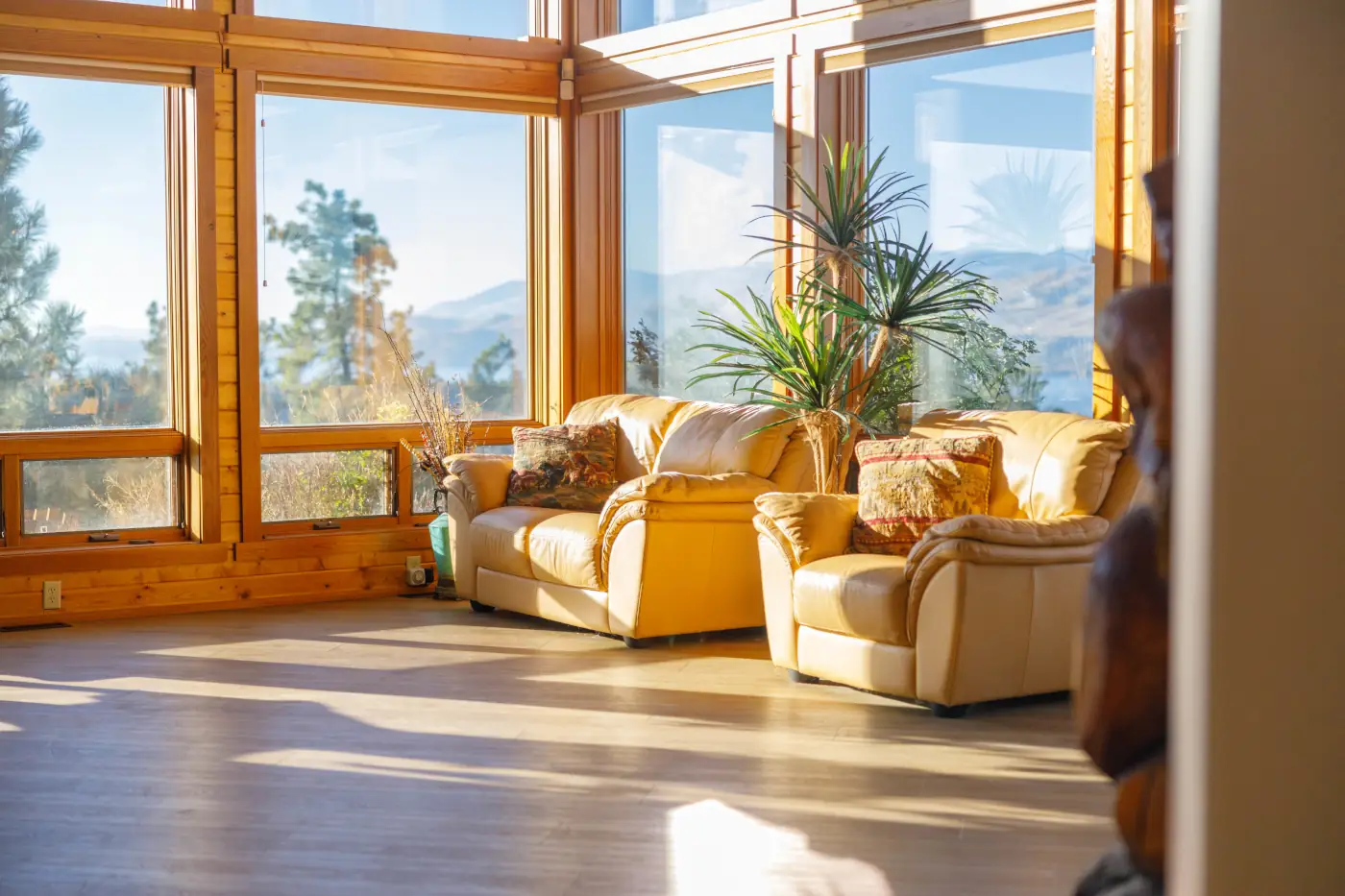
Energy-efficient windows use double or triple glazing with inert gas fills (typically argon or krypton) between panes to significantly reduce heat transfer. Well-chosen windows can reduce energy consumption by up to 25–30% in some homes compared to single-glazed alternatives, according to the U.S. Department of Energy.
Installing solar panels has become more accessible and affordable than at any previous point. Modern solar panel systems integrate cleanly with a home's existing roof structure. They can significantly reduce or offset grid-based electricity costs over their 25- to 30-year lifespan. When paired with good insulation and energy-efficient windows, solar panels move a home close to net-zero energy performance.
💡 Pro Tip: Before installing solar panels, complete all your insulation and window upgrades first. A more energy-efficient building envelope means you need a smaller and less expensive solar panel system to cover your home's energy needs.
Flooring covers a large surface area in any home and has a significant influence on both indoor air quality and environmental impact. Conventional flooring products often contain volatile organic compounds (VOCs) that off-gas into the indoor air for years after installation.
Sustainable flooring alternatives include:
Many homeowners begin renovation projects with sustainability in mind but fall into avoidable traps that undermine their green goals.
The sustainable building material landscape is evolving rapidly. Several materials are gaining mainstream traction in 2026 that were considered niche just a few years ago.
Hempcrete: A mixture of hemp fibers, lime, and water, hempcrete (a lightweight bio-composite used as insulation and walling material) offers remarkable carbon sequestration, high insulating properties, and excellent moisture management. It is not load-bearing on its own but works superbly as infill within a structural frame.
Mycelium Composites: Grown from agricultural waste and fungal networks, mycelium composites are completely biodegradable and can be shaped into insulation panels, packaging, and even wall components. Large-scale production is scaling rapidly.
Recycled Glass Countertops and Tiles: Giving recycled glass new life as countertops and decorative tiles is both aesthetically pleasing and environmentally responsible. These products divert significant volumes of glass from landfill while producing a durable, visually distinctive finish.
Mass Timber Products: Cross-laminated timber (CLT) and glulam beams (engineered timber products made by bonding layers of wood under pressure) are replacing conventional concrete and steel in structural applications. Mass timber stores carbon rather than emitting it, making it a powerful tool for reducing the built environment's carbon footprint.
Sustainable home renovation materials in 2026 offer a powerful combination of environmental responsibility, long-term cost savings, and superior indoor performance. From reclaimed wood and recycled steel to cork insulation and energy-efficient windows, today's options make it genuinely possible to renovate a whole house beautifully, without compromising the planet.
Ready to make your renovation count? Begin with an energy audit and work with a professional contractor to build your renovation using sustainable materials.
Reclaimed wood, recycled steel, cork, bamboo, sheep's wool insulation, and hempcrete rank among the most sustainable home renovation materials available in 2026. Each combines low environmental impact with strong functional performance across a range of renovation applications.
Eco-friendly home renovation materials can carry a moderately higher upfront cost, but they typically save money over time through reduced energy bills, lower maintenance requirements, and longer service life. An energy audit before purchasing materials helps ensure you invest where the returns are greatest.
Many conventional building materials release VOCs (volatile organic compounds, chemical gases that off-gas from synthetic materials) into the indoor air for months or years after installation. Natural materials such as cork, clay plaster, and sheep's wool do not emit these compounds, significantly improving indoor air quality.
Reclaimed wood can be used structurally, but it must be properly assessed for integrity, pest damage, and moisture content before installation. A structural engineer or experienced contractor should evaluate any reclaimed timber intended for load-bearing applications.
Spray foam insulation delivers the highest R-value per inch of any commonly available product, but sheep's wool, cork, and cellulose (recycled paper-based insulation) offer strong thermal performance with far lower environmental impact and better indoor air quality credentials. The best choice depends on your climate, wall assembly, and budget.
Plan material quantities carefully before ordering, choose products available in standard dimensions to minimize offcuts, and establish a clear waste sorting system on site. Donating salvageable materials to deconstruction salvage organizations and routing offcuts to recycling centers are the most effective strategies for minimizing construction waste.
.avif)
Find the right services for your home project.








.svg)

.jpg)
%20(1).jpg)
.png)


.svg)
