

Building a custom home is one of the biggest decisions you will ever make. The custom home building process involves far more than just picking a floor plan and watching walls go up. It is a step-by-step process with key phases that require planning, patience, and the right team.
Understanding what to expect at each stage helps you avoid unexpected costs, stay on schedule, and make confident choices from the ground up. Whether you are just starting to research or you are ready to break ground, this guide walks you through the entire journey.
The custom home building process moves through several clearly defined stages. From purchasing land to the final walkthrough, each phase builds on the last. Skipping or rushing any stage is one of the most common mistakes homeowners make.
At its core, building a custom home starts with a vision. You define what your dream home looks, feels, and functions like. Then a home builder or general contractor helps you turn that vision into plans, permits, and eventually a finished home you can move into.
The whole process typically takes anywhere from several months to well over a year, depending on the size and complexity of the project, your location, and how quickly decisions are made. Most professional custom home builders will tell you that preparation before building begins is just as important as the construction itself.
Before you purchase a single piece of land or meet with a home builder, you need to understand your budget. This is where many future homeowners underestimate unexpected costs and run into trouble later.
Getting a construction loan is usually the first financial step. A construction loan is a short-term financing option that covers the cost of building your new home. It is different from a standard mortgage. Once the home is complete, many lenders convert it into a traditional mortgage through a process called a construction-to-permanent loan.
Work with a lender early. Know your limits before you fall in love with features, materials, or a property location that pushes you over budget. Industry professionals generally recommend setting aside a contingency fund of at least 10 to 15 percent of your total project cost to cover unexpected costs that arise during construction.
💡 Pro Tip: Get pre-approved for your construction loan before you start the design process. It saves time and prevents the frustration of designing a home you cannot yet afford to build.
Finding the right land is a critical part of the home building process. Location shapes everything from your floor plan options to your landscaping choices and even your permit requirements.
When purchasing land, look beyond the price. Consider soil conditions, access to utilities, zoning laws, and proximity to schools or work. Some properties require significant site work before construction can begin, which adds both time and cost to your project.
So what should you look for in a building lot? Most experienced custom home builders recommend having a structural engineer or soil expert evaluate the ground before you finalize a purchase agreement. This step helps you understand what site preparation will be required and whether the land is actually buildable at your desired budget.
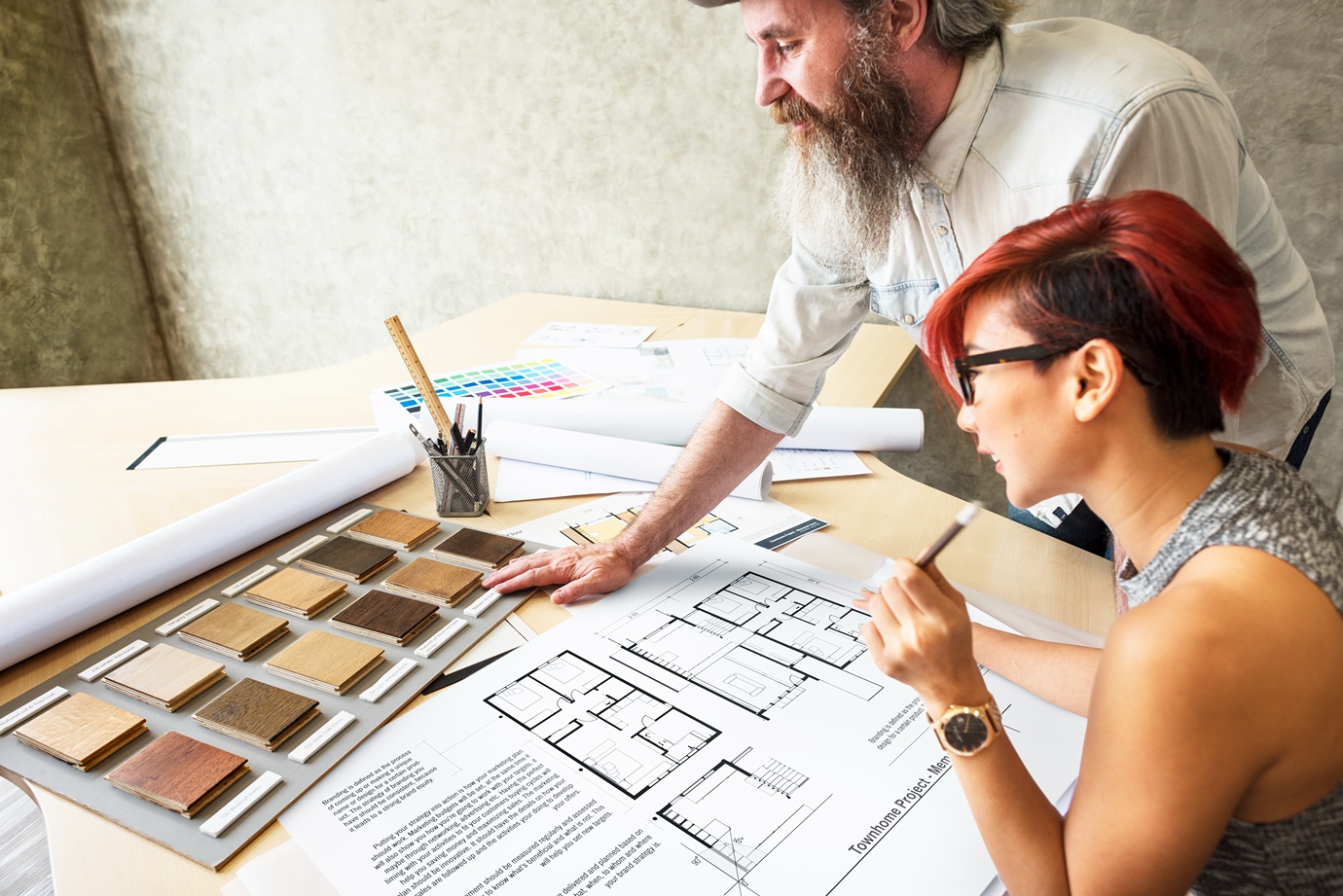
Once your land and financing are secured, the design process begins. This is where your dream home starts to take shape on paper. You will work with an architect or designer to develop a floor plan that fits your lifestyle, your lot, and your budget.
This stage involves many important decisions. You will make choices about the number of rooms, ceiling heights, window placement, doors, and special features like a wine cellar or a custom laundry room. Every decision at this stage affects cost and construction timelines, so it pays to be thoughtful.
After the floor plan is finalized, your general contractor and custom home builders will review the plans for constructability. Adjustments are often made here before anything moves forward. Explore our completed custom home and remodeling projects to see how thoughtful design translates into stunning finished homes.
Before construction starts, obtaining permits is legally required in virtually every city and county. Permit requirements vary by location, so always check with your local municipality before starting any new construction work.
Your general contractor typically manages the permit process. They submit your plans to the local building department, which reviews them for compliance with local building codes and safety standards. This step protects you, your builder, and everyone who will eventually live in the home.
Once permits are approved, site preparation begins. Site work includes clearing the land, grading the ground for proper drainage, and laying the foundation. This phase sets the structural foundation for everything that follows. Cutting corners on site prep leads to serious problems later, including foundation cracks, water intrusion, and structural instability.
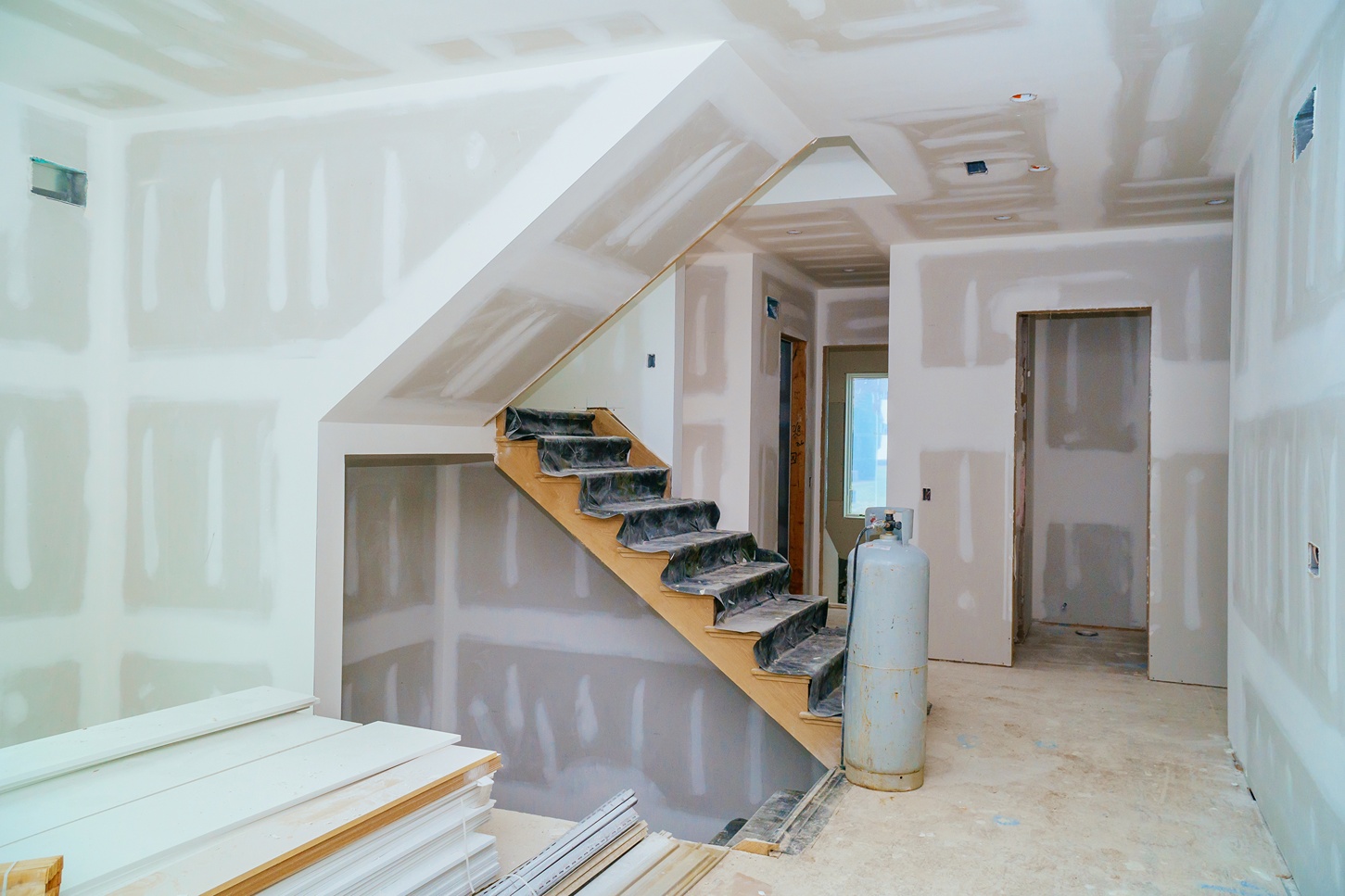
This is the phase most homeowners are excited about. Once construction starts, progress becomes visible quickly. The construction phase covers everything from framing to the final coat of paint.
Here is a general overview of what happens during construction, in the order it typically occurs:
💡 Pro Tip: Attend your pre-construction meeting with your home builder prepared with a list of questions. This meeting sets expectations for communication, timelines, and who to contact when issues come up during the build.
Not every meeting with your builder serves the same purpose. Knowing the difference helps you prepare and get more out of each conversation.
The meeting on your home construction plan is especially important. This is when your general contractor walks through the home building process timeline with you, confirms material selections, and outlines what the first weeks of construction will look like. Do not skip this meeting.
Building a custom home is exciting, but it is also easy to make decisions that cost you time and money. Here are the most common questions homeowners have and the pitfalls they should avoid:
If you are considering a major renovation rather than a full new build, our whole house remodel services offer a comparable level of custom craftsmanship without starting from scratch.
The closing process for a new construction home is similar to buying an existing home, but with a few differences. After final inspections are passed and your certificate of occupancy is issued, you move toward closing.
During the final walkthrough, you and your builder walk through the complete home together. You note any items that need correction before you officially close. This list is called a punch list. Your builder addresses these items before you take ownership.
At closing, financing transitions from your construction loan to your permanent mortgage. You sign documents, funds are transferred, and the home officially becomes yours. Then you get to move in.
Ready to take the first step toward your dream home? The team at CraftHaus Home Remodeling is here to guide you through every phase of the process.
The custom home building process is a rewarding journey when you approach it with the right knowledge and the right team. From purchasing land and securing financing to framing, final inspections, and the closing process, every phase matters. Understanding the steps ahead of time prevents costly surprises and keeps your project moving forward. If you are ready to start building a custom home or want expert guidance before you commit, reach out to the CraftHaus Home Remodeling team today and let us help you bring your vision to life.
The custom home building process starts with securing financing and purchasing land, then moves through design, permitting, site preparation, framing, and interior finishes. It wraps up with final inspections, a final walkthrough, and the closing process. The entire timeline varies by project size and location.
The main steps to building a custom home include setting your budget, securing a construction loan, purchasing land, completing the design process, obtaining permits, and then moving through each construction phase. After construction is complete, a final walkthrough and closing finalize your ownership.
Building a custom home generally takes anywhere from 10 months to over two years, depending on the size of the home, complexity of the floor plan, and local permit timelines. Weather, material availability, and design change orders can also affect the overall schedule.
A pre-construction meeting is a formal review session between you and your home builder that takes place before construction starts. It confirms the construction timeline, reviews material selections, and establishes communication expectations. Missing this meeting often leads to miscommunication and costly delays.
For first-time builders, the step by step custom home building process begins with budgeting and financing, followed by land selection, design, and permitting. Construction then follows in phases: foundation, framing, rough-in systems, drywall, and finishes. The process ends with final inspections, a final walkthrough, and move-in day.
.avif)
Find the right services for your home project.








.svg)


.jpg)
.png)


.svg)
