

A full gut renovation involves stripping a home down to its bare structure, meaning the walls, floors, ceilings, and all mechanical systems are removed and replaced. Unlike cosmetic renovations that focus on surface updates like paint or flooring, a gut remodel rebuilds the home from the inside out. This is a significant undertaking that demands careful planning, a realistic budget, and an experienced renovation team.
Most contractors define a gut renovation as any project where work reaches the structural elements of the home. This includes replacing plumbing systems, electrical systems, and HVAC systems, as well as addressing structural concerns like load-bearing walls or outdated wiring. The result is essentially a brand-new interior within your existing shell, creating a fully customized space built to your specifications.
So, what separates a gut renovation from a standard remodel? The answer lies in depth. A standard remodel might update a kitchen or bathroom. A full gut renovation touches every room, every system, and every surface in the home.
To answer the question: "How long does a full gut renovation take?", the timeline takes anywhere from 4 to 12 months on average, from the first planning meeting to the final walkthrough. However, the gut renovation timeline varies significantly based on the size of the home, the complexity of structural changes, local permitting requirements, and the availability of your renovation team.
For smaller properties, a focused gut remodel may be completed in as few as 4 to 6 months. Whole home projects covering multiple floors, involving significant structural modifications, or requiring extensive mechanical systems installation can easily run 9 to 12 months or longer. Unexpected costs and hidden issues behind walls, such as hazardous materials like asbestos or lead paint, can also push timelines outward.
Most experienced contractors recommend homeowners build a 10 to 20 percent buffer into both their renovation budget and their gut renovation timeline to account for unexpected expenses and delays.
Understanding each phase helps you set realistic expectations and work closely with your renovation team to keep the project on track.
This is where everything begins. You work closely with architects and designers to create detailed plans for your new floor plan, select materials, and finalize the scope of work. Design plans must be thorough because changes made during the construction phase are significantly more costly than adjustments made on paper. This phase also includes preparing accurate cost estimates and securing financing.
Before demolition begins, you must secure permits from local authorities. The permitting process ensures your project complies with local building codes. Permit timelines vary widely by municipality. Some jurisdictions process applications in a few weeks; others can take two months or more, especially for projects involving structural changes or electrical work.
Once necessary permits are in hand, demolition begins. Workers strip the home down to the bare structure, removing drywall, flooring, old plumbing work, and electrical wiring. If hazardous materials like asbestos are found, remediation adds time and cost. Proper handling of certain materials is required by law to ensure compliance with health and safety regulations.
💡 Pro Tip: Schedule a hazardous materials inspection before demolition begins. Discovering asbestos or lead paint mid-demolition can halt work for weeks and result in significant unexpected costs to your renovation budget.
With the home stripped, contractors address any structural concerns. This includes reinforcing or modifying load-bearing walls, addressing structural repairs to the foundation or framing, and making any changes to the home's layout. Structural modifications are foundational to everything that follows, so this phase must be completed correctly before mechanical work begins.
This phase covers rough-in work for plumbing systems, electrical systems, and HVAC systems. Electricians address outdated wiring and install new circuits. Plumbers reroute or replace all supply and drain lines. HVAC technicians design and install the new duct system. Each trade may need to return to the site multiple times, and inspections are required at key milestones to ensure compliance with building codes.
Once inspections are passed, insulation is installed and drywall goes up. This phase marks a visual turning point because the home finally begins to look like a livable space again. Drywall finishing, which includes taping, mudding, and sanding, requires dry conditions and proper curing time between coats.
This is the longest and most detail-intensive phase. Flooring is installed, cabinetry is set, trim and molding are applied, tile is laid, and painting begins. Fixture installation, appliance delivery, and final electrical connections happen here as well. Material delivery delays are one of the most common reasons this phase extends beyond original project timelines.
The renovation project closes with final inspections from local authorities and a thorough punch list walkthrough. A punch list is a contractor term for a final checklist of outstanding items that need to be corrected or completed before handover. Clear communication with your renovation team during this phase ensures all details meet your expectations.

Several variables can significantly extend the average timeline for gut renovation. Being aware of these risks before the project starts allows you to plan accordingly and set realistic expectations.
Permit delays are among the most common culprits. In high-demand markets, local authorities may take months to approve complex applications. Material delivery backlogs have also affected the entire industry in recent years, particularly for custom cabinetry, specialty tile, and plumbing fixtures.
Hidden structural concerns discovered after demolition begins are another major factor. Issues like rotted framing, inadequate electrical panels, or improperly installed plumbing systems from previous renovations can add weeks and unexpected costs to any remodeling project. Additionally, if your renovation project uncovers hazardous materials, remediation must be completed before work can continue.
Here is a quick checklist of factors that commonly affect the gut renovation timeline:
A gut renovation and a standard remodel serve very different purposes, and their timelines reflect that. A standard home remodel, such as updating a single kitchen or adding a bathroom, typically takes 6 to 12 weeks. A full gut renovation, by contrast, takes 4 to 12 months because it involves stripping the entire home to its bare structure and rebuilding all systems from scratch.
A partial gut remodel falls between these two. It targets multiple rooms and replaces some mechanical systems, but does not strip the entire home to its structure.
The gut renovation cost also reflects this difference in scope. A full gut remodel carries a substantially higher investment than cosmetic renovations, though the result is a fully modernized, customized space built to current building codes.
💡 Pro Tip: If your home's mechanical systems are more than 20 to 30 years old, a full gut renovation often delivers better long-term value than repeated partial remodels. Replacing plumbing systems, electrical systems, and HVAC systems all at once is more cost-efficient than addressing them separately over time.
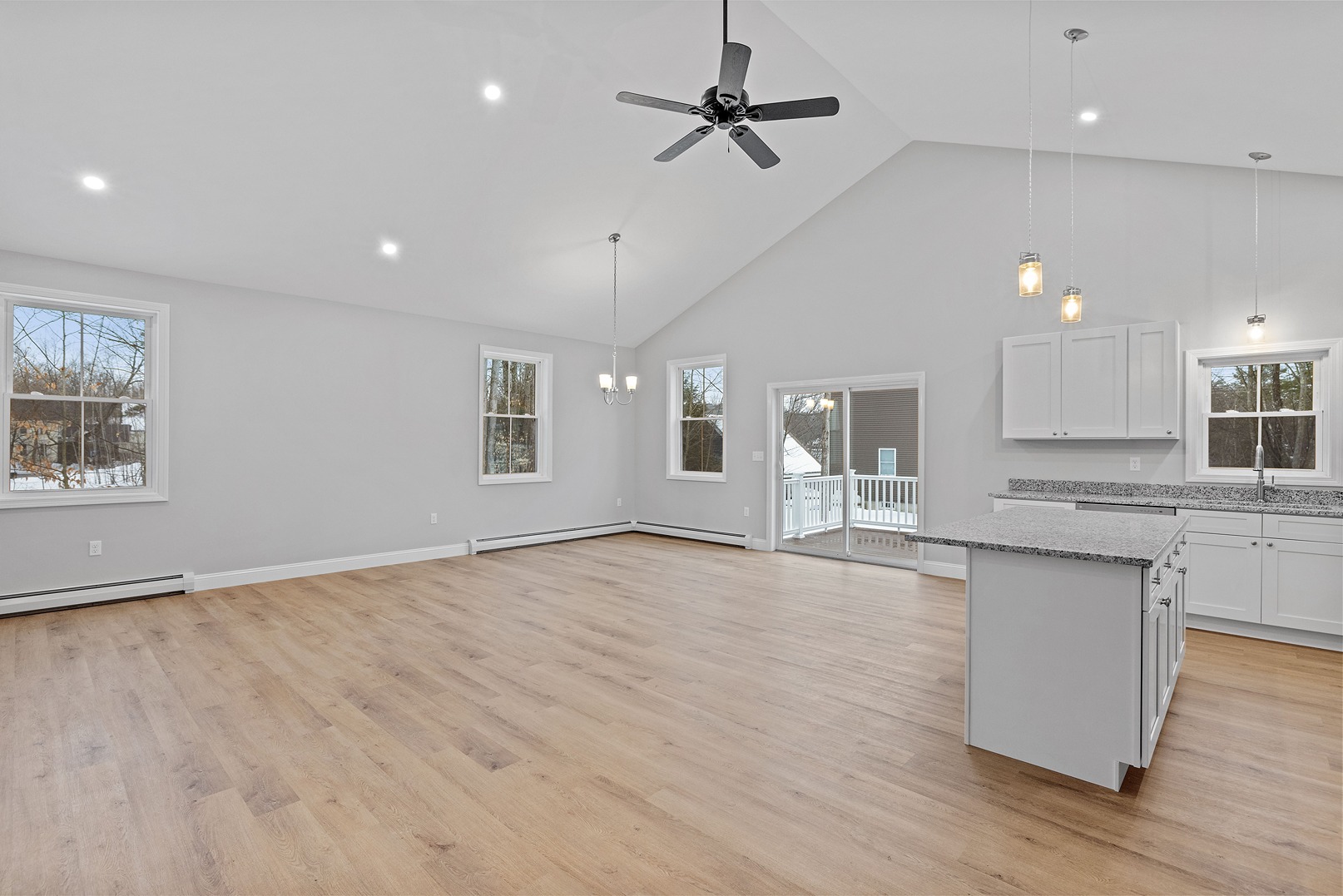
Keeping a gut renovation on track requires proactive management, clear communication, and experienced contractors who understand how to anticipate problems before they cause delays.
Understanding how long does a full gut renovation take puts you ahead of most homeowners before the first wall comes down. A full gut renovation demands careful planning, a realistic budget, and experienced contractors who communicate clearly at every stage. The average time for a complete gut remodel runs 4 to 12 months, but preparation is what determines whether your project lands at the shorter or longer end of that range.
Every decision made early, from finalizing design plans to securing permits, protects your timeline and your investment. Partnering with a professional renovation team from day one is the single most effective way to avoid costly delays, manage unexpected expenses, and ensure your project meets local building codes at every phase. A project this complex is easier with an experienced team in your corner from day one.
Contact our team today, share your vision, and take the first step toward a renovation done right.
For a mid-size home between 1,000 and 2,500 square feet, the gut renovation timeline typically runs 6 to 9 months. Larger homes or those with complex structural changes can take 12 months or longer.
Living in your home during a full gut renovation is generally not practical or safe, particularly during the demolition and mechanical systems phases. Most homeowners arrange temporary living arrangements for the duration of the construction phase.
The finishing phase, which includes flooring, cabinetry, tile, painting, and fixture installation, is typically the longest phase of any gut remodel. Material delivery delays and the sequential nature of finishing trades are the primary reasons.
The permitting process can add anywhere from 2 to 8 weeks to the start of construction, depending on local authorities and project complexity. Submitting complete, accurate design plans helps minimize review time.
The most common delays come from discovering hazardous materials, finding structural concerns behind walls, material delivery backlogs, and permit processing times. Building a contingency buffer into your timeline and renovation budget is the best way to manage these risks.
For homes with outdated systems, poor layouts, or significant structural concerns, a full gut renovation delivers a fully modernized, customized space with updated mechanical systems built to current building codes, which typically adds substantial value and livability.
.avif)
Find the right services for your home project.








.svg)

.jpg)

%20(1).jpg)
.png)


.svg)
