

Building a new home is one of the biggest investments you will ever make. Whether you are planning a custom home or working with builders on a spec home, understanding what are the 5 stages of building a house puts you in control.
Each phase of the new home construction process builds on the last, and skipping steps or rushing through them can lead to serious problems like mold, wood rot, or failing a final inspection. This guide breaks down every stage clearly, so you know exactly what to expect.
Before your construction crew ever breaks ground, you need a solid plan. The home building process is a huge project, and understanding the steps to building a house saves you time, money, and a lot of stress.
Most general contractors will tell you that the biggest mistakes homeowners make happen before construction even starts. Poor land selection, vague floor plan decisions, and skipping permits are all problems that compound later. Understanding the building process from the very beginning gives you a clear picture of what your construction crew is doing at every stage and why it matters.
Permit requirements vary by city and county, so always check with your local municipality before you start building. Your general contractor should guide you through the local building codes that apply to your project, but the responsibility ultimately falls on you as the homeowner.
💡 Pro Tip: Before you break ground, have a detailed floor plan approved and permits secured. Starting construction without permits can result in costly stop-work orders and delays.
Site preparation is the first and most critical stage in building a house from start to finish. This is where your construction crew clears the land, grades the soil, and prepares everything before concrete is poured.
Site work includes removing trees, rocks, and debris from the land. Your crew will also dig for the foundation, whether that is a full basement, a crawl space, or a slab. Once excavated, they install sewer lines and run pipes for the septic system if your location requires one. Footings are then poured and allowed to go through a curing process before the foundation walls go up.
After the foundation is set, a waterproofing layer is applied to protect against moisture. This is the stage where your home's energy efficiency journey actually begins, because a well-sealed foundation prevents moisture intrusion that can later lead to mold and wood rot.
The foundation stage generally takes anywhere from two to four weeks depending on weather conditions, soil type, and the size of the project.
Framing is the stage where your dream home starts to look like an actual house. Once the foundation is complete, the construction crew begins building the skeleton of your home using wood or steel.
During framing, workers construct the exterior walls, interior walls, and roof systems. The floor plan you approved earlier becomes a physical reality at this point. Roof trusses go up, and house wrap is installed over the exterior to protect the structure from wind and moisture before exterior finishes are applied.
This is also when your windows and exterior doors are roughed in. Inspections often happen at the end of this stage. A city inspector will review the framing to make sure everything meets local building codes before work continues. Getting the green light from the inspector here is essential before moving forward.
For homeowners curious about what building custom looks like compared to buying an existing home, the framing stage is where customization truly shows up. You can see the exact size of each room, how natural light will flow, and how your personal style is starting to take shape.
If you have seen the results of well-executed new construction or full renovations, check out our completed home transformation projects at CraftHaus to get a sense of what skilled craftsmanship looks like from the ground up.
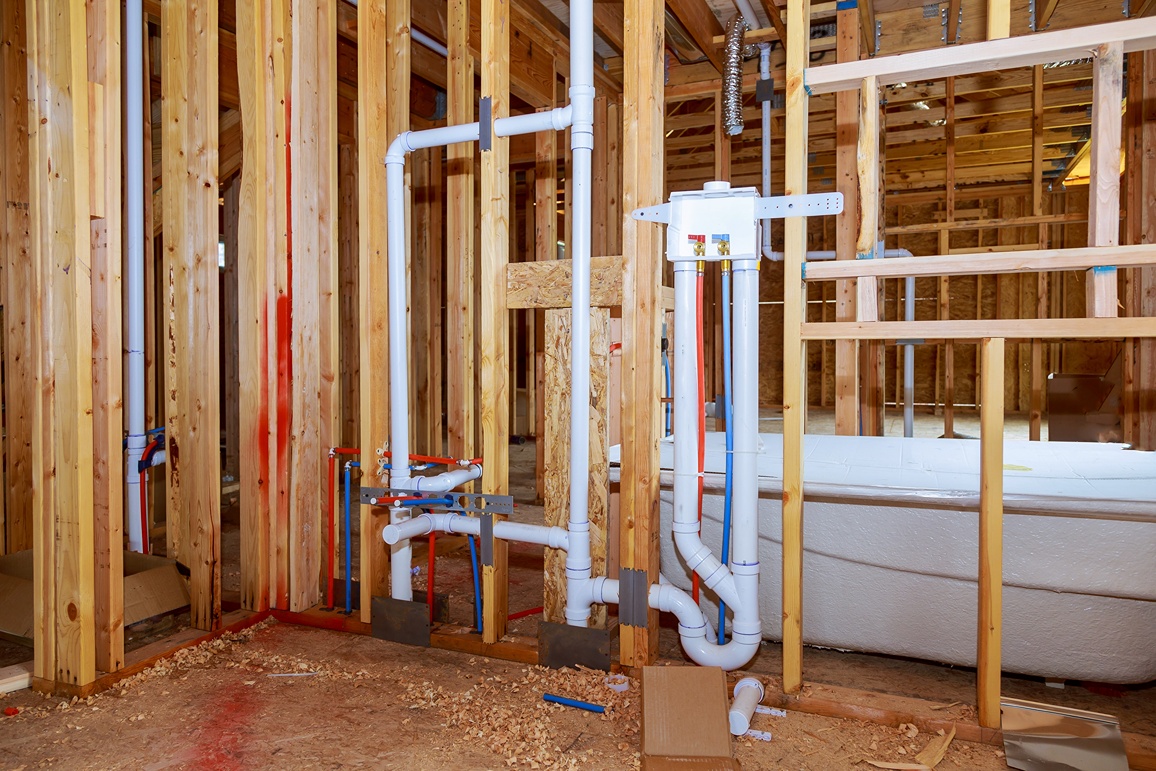
This stage is one of the most technical parts of the new home construction process. Once framing passes inspection, the mechanical systems go in behind the walls before anything is closed up.
Plumbing, electrical, and HVAC (heating, ventilation, and air conditioning) are all installed during this phase. Plumbers run pipes and set up water taps and drain lines. Electricians install the electrical panel, run wiring, and rough in electrical outlets throughout the home. HVAC contractors install ductwork for your air conditioning and heating system.
All of this work happens inside the walls and ceilings before drywall is installed. This is why it matters so much. Once the walls are closed, accessing these systems becomes extremely difficult and expensive.
After all rough plumbing, electrical, and HVAC work is complete, another round of inspections takes place. The city inspector reviews all three systems to make sure everything meets building codes. Only after receiving the green light does the project move to insulation and drywall.
Insulation is installed in the exterior walls and ceiling cavities at this point as well. Proper insulation directly affects your home's energy efficiency and will impact your utility bills for decades.
Not every new home follows the same path. Understanding the difference between a custom home and a spec home helps you set the right expectations for your building process.
A custom home gives you full control over every decision, from the floor plan to the light fixtures. A spec home is built to a standard design and is often move-in ready faster. Both follow the same five stages, but the level of homeowner involvement differs significantly.
This is one of the 5 stages of building a house most homeowners get excited about. Interior and exterior finishes are where your home starts to feel like a real living space rather than a construction site.
On the exterior, your crew installs exterior finishes such as siding, brick, stone, or stucco. The driveway is poured, and landscaping begins to take shape. Exterior doors and windows get their final trim and hardware.
Inside, drywall goes up on the interior walls and ceilings. After taping, mudding, and a primer coat, painting begins. Hard surface flooring such as tile, hardwood, or luxury vinyl is installed. Cabinetry, countertops, and fixtures follow.
Mechanical trims are completed at this stage as well. This includes light fixtures, electrical outlets and covers, plumbing fixtures, shower doors, and HVAC vents. This is where your personal style truly comes alive in every room.
If you are working on a remodel rather than new construction, many of these same interior finish decisions apply. Our whole-house remodeling services at CraftHaus follow a similarly detailed finish-selection process.
💡 Pro Tip: Lock in your finish selections early, specifically flooring, cabinetry, and fixtures, before this stage begins. Last-minute changes at this point can cause major delays and added costs.
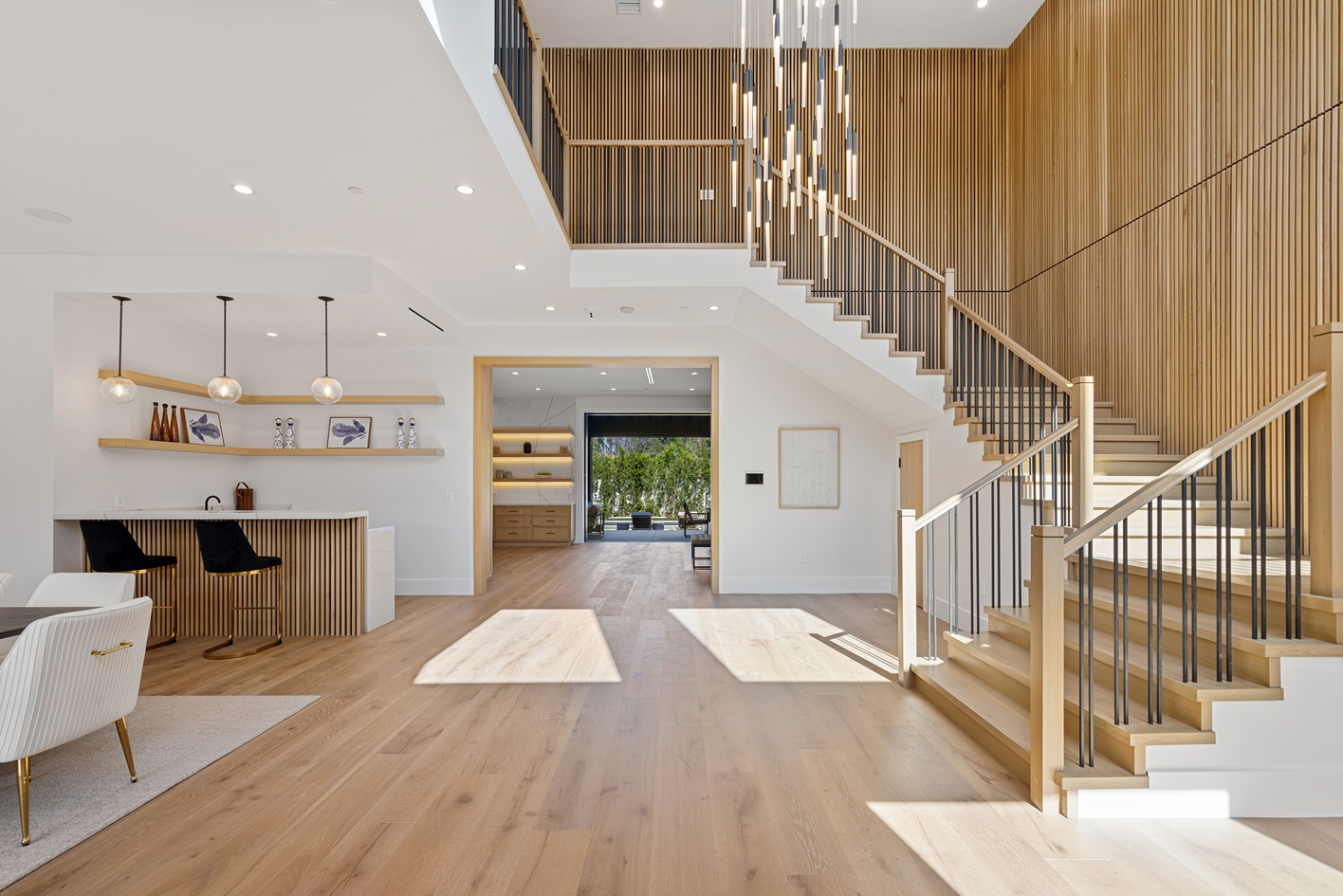
The final inspection is the last official checkpoint before you can move into your new home. It is not just a formality. It is a critical step that protects you as a homeowner.
A city inspector walks through the completed home and reviews everything against local building codes. They check the plumbing, electrical panel, HVAC systems, and structural elements. They also look for any safety issues or items that were not completed to code during the building process.
If the inspector finds issues, they will issue a punch list of corrections that must be completed before a certificate of occupancy is granted. Once all corrections are made and the home passes re-inspection, you officially receive the green light to move in.
Many builders also conduct a final walkthrough with the homeowner before this inspection. This is your opportunity to identify anything that does not meet your expectations, from paint touch-ups to hardware adjustments.
Even with the best general contractor and construction crew, mistakes happen. Knowing the most common ones helps you stay ahead of them.
Not sure whether to manage parts of this project yourself or leave it all to the pros? Our blog on DIY home renovation vs. hiring a contractor breaks down exactly when professional help makes the most sense.
This is one of the most common questions homeowners ask before starting the building process. The honest answer is that it depends on several factors.
A typical new home generally takes between six and twelve months to complete from breaking ground to final inspection. Custom homes with complex designs or high-end interior finishes can take longer. Spec homes may move faster because decisions are already made.
Here is a general timeline for reference:
Weather, material availability, permit timelines, and the complexity of your floor plan all affect these estimates. Always build buffer time into your planning, especially if you are building a custom home with specialized materials.
Building a house is one of the most rewarding projects a person can take on, and every successful build starts with understanding the process. Knowing what are the 5 stages of building a new house helps you communicate better with your general contractor, catch problems early, and make confident decisions from the day you break ground to the final walkthrough.
Whether you are planning a custom home or exploring your options, the team at CraftHaus Home Remodeling is here to help. Ready to take the next step? Reach out to our team today and let us talk through your vision.
The five stages are site preparation and foundation, framing, rough mechanical systems (plumbing, electrical, and HVAC), interior and exterior finishes, and final inspection. Each stage must be completed and approved before the next one begins. Skipping or rushing any stage can lead to costly repairs down the road.
Most new homes generally take between six and twelve months to complete, depending on size, design complexity, and local permit timelines. Custom homes with detailed floor plans or specialty finishes may take longer. Weather and material availability also affect the overall schedule.
Industry professionals generally consider the foundation stage the most important because every other part of the home rests on it. A poorly built foundation can lead to structural issues, mold, and wood rot over time. Getting it right from the start protects your entire investment.
Most stages of the building process require permits, including foundation work, framing, rough plumbing, electrical, and HVAC installation. Permit requirements vary by city and county, so always check with your local municipality before starting any work. Your general contractor can typically help navigate this process.
The final walkthrough is a review conducted with your builder before the city inspector completes the final inspection. You walk through the completed home to identify anything that needs correction, such as paint touch-ups, fixture adjustments, or unfinished trim work. Once everything is resolved, the home moves to official inspection and certificate of occupancy.
Minor changes early in the building process may be possible, but changes made after framing or once mechanical systems are roughed in can be very costly. Most general contractors recommend finalizing all floor plan decisions before breaking ground. Always discuss change orders with your builder before making any adjustments.
.avif)
Find the right services for your home project.








.svg)


.jpg)
.png)


.svg)
