

An accessory dwelling unit (ADU) is a second, self-contained home on the same property as your main house. Sometimes people call it a secondary housing unit, a granny flat, or an in-law setup, but the legal bar is the same.
To count as a real ADU, it needs:
That's what separates a true dwelling unit from a spare bedroom or a finished basement with a hot plate.
Washington rewrote the rulebook with House Bill 1337, which took full effect across Snohomish County in 2023. The headline changes matter if you live in Everett:
Those are the state floors, and Everett has brought its own code into line with them. So the ADU types in Washington state rules you read about online mostly do apply here, but Everett still has local specifics (size, setbacks, zoning) that shape which of the types of ADUs in Everett actually fits your lot. We'll get to those, but first, the options themselves.
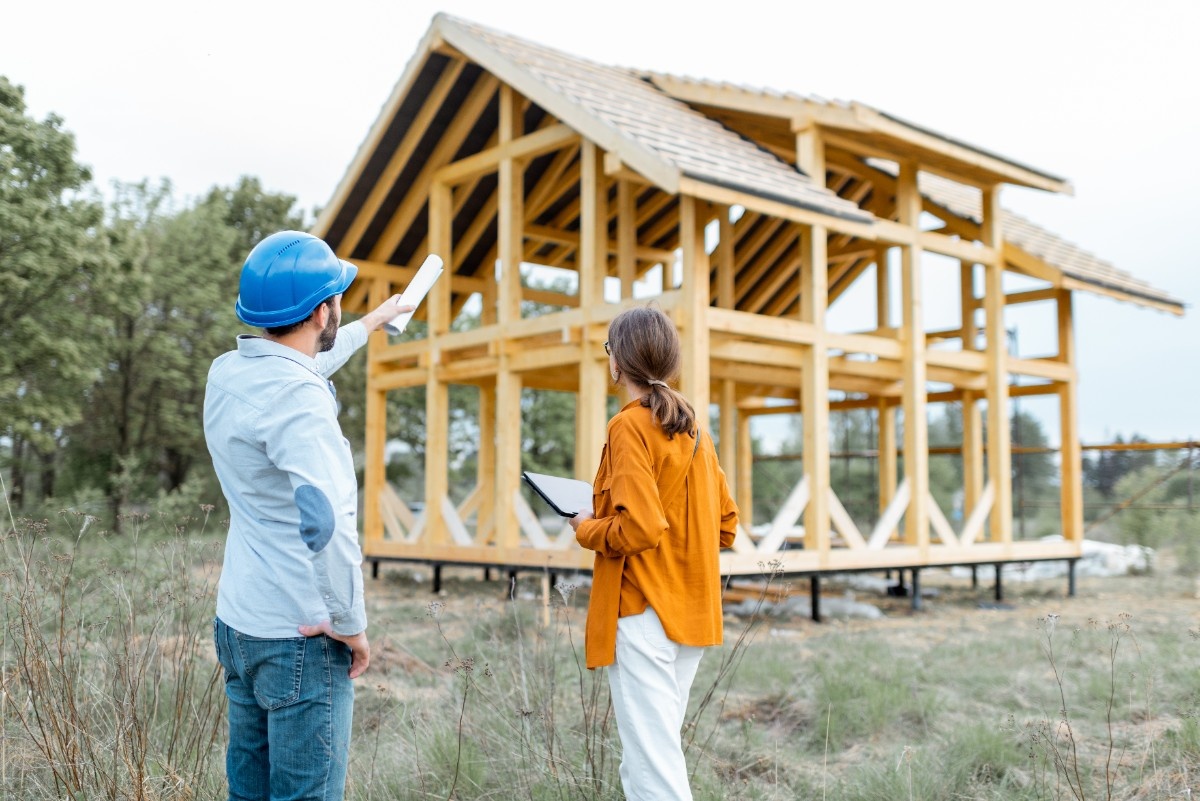
Not every type fits every property. A 1920s bungalow on a narrow Bayside lot has different options than a split-level with a detached two-car garage out in Silver Lake. Here's how the four break down.
A junior accessory dwelling unit in Washington is the smallest and usually cheapest path, and it's worth covering because the JADU vs ADU question comes up a lot, even though Everett handles it a little differently than you might expect. The idea is simple: you carve a small, independent living space (typically up to 500 square feet) out of room you already have, like a ground-floor bedroom or a slice of the main floor. It's the classic internal conversion, sometimes built into a converted basement.
One honest clarification, because a lot of national articles get this wrong for Washington readers:
Quick read on whether it fits:
An attached ADU is a home addition bolted onto your existing home. It shares at least one wall with the main house but keeps its own private entrance, kitchen, and bath. Think of a bump-out off the back or a portion of the home extended outward into a separate living unit.
This is the option people land on when their lot won't cooperate with anything else:
An attached unit uses the house you already have as one of its walls, which can trim foundation and framing costs. In the attached vs detached ADU comparison, the attached route usually costs less and permits faster, but it gives up some of the privacy and rental appeal of a free-standing dwelling unit.
If there's a default answer for a lot of Everett properties, this is it. Plenty of homes here sit on lots with a detached two-car garage that's mostly holding boxes and a lawnmower. Converting that preexisting accessory structure into a complete living space is often the most cost-effective ADU you can build, because the foundation, walls, and roof already exist.
Instead of pouring a new slab, a garage conversion mostly involves:
Garage apartments like these are a popular choice for homeowners looking to generate rental income without the high costs of new construction. That head start on structure is why a garage conversion vs ADU in Washington built from the ground up tends to come in lower on both cost and timeline, turning idle garage space into a dedicated home for tenants or family.
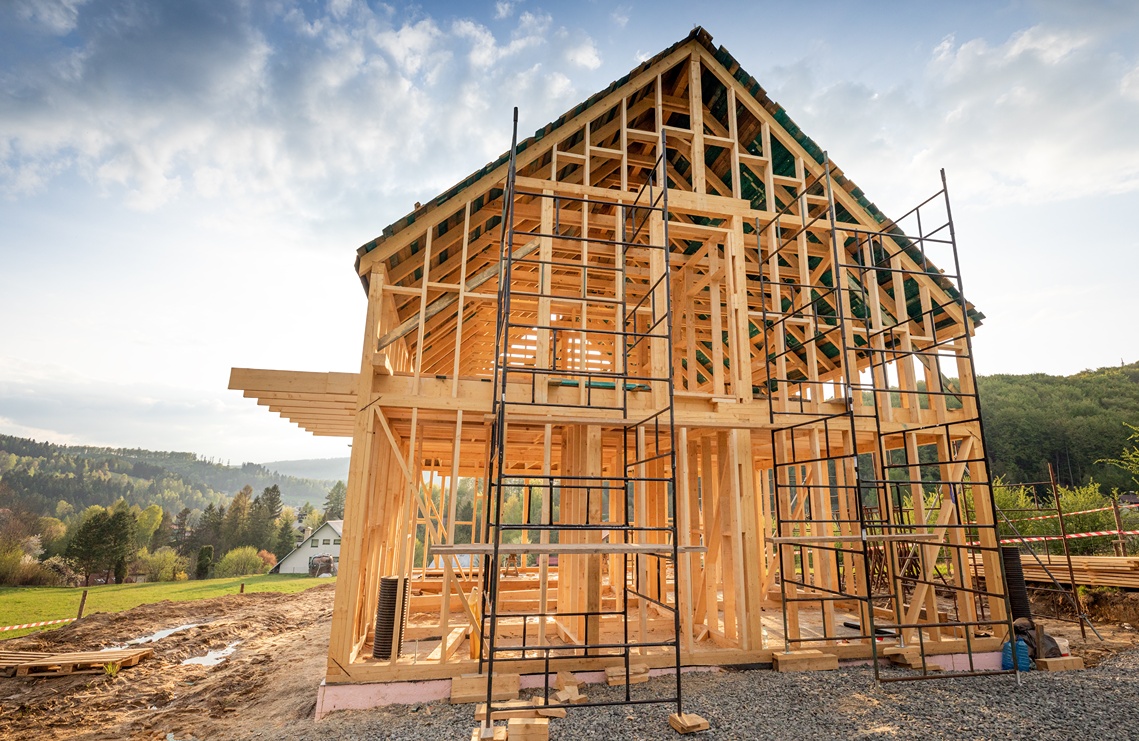
A detached accessory dwelling unit in Washington, also called a DADU or backyard cottage, is a brand-new, free-standing structure in your yard. Sometimes it's called a carriage house when built above or beside a garage. It's the priciest of the four because you're building a small single family home from the foundation up, but it also earns the most:
This is the move for larger lots, the kind you see more of in Snohomish, Edmonds, and Mill Creek than in Everett's denser neighborhoods. In the backyard cottage vs garage conversion decision, the cottage wins on long-term flexibility but asks for more land, more budget, and more patience through permitting.
The 2025 rule changes made a DADU in Snohomish County a realistic option on more lots than before, and because it stands completely apart from the primary dwelling, it works just as well as a guest house or an independent living unit for family.
Strip away the details and the decision usually comes down to three cases:
The reason there isn't a single "best" type is that the answer is tied to your specific parcel. Two houses on the same street can land in two different cases depending on their garage, their yard space, and their zoning.

Before you sketch a floor plan, a few local rules shape what's possible. Rules vary by zone and lot, so confirm the specifics for your property with the City of Everett before you finalize a design.
Everett defines an ADU as interior habitable space under 1,000 square feet, subordinate to your main house. Cities can allow more, but they can't require less, so 1,000 is effectively the working ceiling for most Everett lots. Basements and attics count toward that area; a garage or accessory structure doesn't.
House Bill 1337 removed the old owner-occupancy requirement, and Everett's code follows suit. You can build an ADU and rent out both it and the main house without living on the property. That single change is what makes ADUs work as a pure investment here, not just a place for family.
On lots that meet the minimum size for the main house, Everett must allow at least two ADUs, which means up to three units total on a single-family property. Setbacks, lot coverage, and height limits still apply, and setback rules vary by city across Snohomish County, so the exact count for your lot comes down to its size and zone.
The takeaway: choosing among the types of ADUs in Everett isn't a one-size decision. Your lot size, zone, and goals each narrow the field, which is why a quick site review beats guessing before you commit to a design.
The four types of ADUs in Everett properties can support aren't interchangeable. A garage conversion and a backyard cottage solve different problems, at different price points, for different lots, and the local zoning regulations often make the choice for you before you've picked a single finish. The smartest first move isn't choosing a style. It's getting clear on what your specific parcel actually allows.
That's where it helps to talk to a builder who works these Snohomish County lots every week. CraftHaus Home Remodeling builds garage conversions and backyard cottages across Everett and nearby communities, planned fast and built clean, and finished so the unit feels like part of your home rather than a bolt-on. If you're weighing your options, get a free estimate and we'll walk your property, talk through what fits, and give you a straight answer.
Usually, yes. On a lot that meets the minimum size for your main house, Everett must allow at least two ADUs, which is up to three units total counting the primary residence. You'll still need to meet setback, lot coverage, and height requirements, so the exact number your lot supports depends on its size and zone. A quick zoning check on your parcel is the way to confirm.
Usually, yes. A garage conversion reuses an existing foundation, walls, and roof, so you're paying to upgrade and finish rather than build from scratch. A detached backyard cottage is a full ground-up structure, which is why it costs more but also earns higher rental income and adds more property value. For a full cost breakdown, see our guide to what an ADU costs to build in Everett.
No, not anymore. House Bill 1337 removed the statewide owner-occupancy requirement, and Everett's code matches it. You can build an ADU and rent out both it and your main house without living on the property. This was one of the biggest changes in the 2025 update, and it's what opened ADUs up to investors and non-resident owners, not just families adding space.
Everett defines an ADU as interior habitable space under 1,000 square feet, subordinate to your main house. Basements and attics count toward that area, but a garage or accessory structure doesn't. Cities can choose to allow larger units, but they can't require smaller ones, so 1,000 square feet is the practical ceiling. Confirm the current figure with the city before designing.
An attached ADU shares at least one wall with your main house but has its own entrance, kitchen, and bath. A detached ADU, or backyard cottage, is a completely separate accessory structure. Attached units generally cost less and permit faster, while detached units offer more privacy, higher rent, and stronger resale appeal.
Not as a formal category. The "JADU" label comes from California law, where it's a defined 500-square-foot unit with its own rules. Everett's code doesn't use a separate junior tier. A small internal conversion here simply counts as an attached ADU, so you get the same concept without the separate legal designation.
It varies by type and permitting, but a garage conversion or backyard cottage commonly runs in the range of 8 to 14 weeks of construction once plans and permits are in hand. A ground-up detached cottage sits at the longer end, while an interior or garage conversion tends to move faster.
No. Everett no longer requires owner-occupancy, so you can rent out your ADU whether or not you live in the main house or on the property at all. If you read an older article saying you had to live on-site, that rule was removed when the state and city updated their codes. It's worth double-checking your specific situation with the city, since a few narrow exceptions (like environmentally sensitive areas) can still carry conditions.
.avif)
Find the right services for your home project.








.svg)


.png)


.svg)
