

If you have been putting off climbing over a tub edge every morning, you are not alone. Many Everett homeowners who want to convert bathtub to shower Everett wide are asking the same question: what does a tub to shower conversion cost in Everett, WA actually look like once the quotes come in?
The short answer is that a tub to shower conversion in Everett typically costs between $4,000 and $8,000 for a prefab acrylic system, and between $9,000 and $22,000 for a custom tile walk-in shower built on the existing tub footprint. Where you land in that range depends on materials, plumbing, and whether you change the layout.
This guide breaks down the real numbers, the three main conversion types, and the Everett specific permit and waterproofing details most cost articles skip.
A standard tub to shower conversion cost in Everett, WA generally starts around $4,000 for a basic prefab insert and climbs from there based on tile, glass, and plumbing changes. Keeping the existing plumbing in its current location is the single biggest cost lever in the entire project.
Homeowners researching the cost of tub to shower conversion often expect one flat number. In reality, three separate project types create three very different budgets, and each one solves a different problem.
So how much does a tub to shower conversion cost when you add in permits, glass, and accessibility features? Plan for an extra $1,000 to $3,000 on top of the base install once you factor those in.
Most Everett bathrooms fall into one of three approaches when homeowners convert bathtub to shower. A tub to shower conversion Snohomish County wide generally follows one of these paths, and knowing which one fits your goals and your budget makes the rest of the planning process much easier.
1. Prefab or acrylic insert. This is the fastest and most affordable way to remove bathtub install walk in shower systems. A one piece or multi piece acrylic shower pan and wall kit drops into the existing tub opening with minimal plumbing work.
2. Custom tile shower on the existing footprint. This is the most popular way to convert bathtub to walk in shower without moving plumbing. It keeps the drain and supply lines where they are, which controls cost, while upgrading to a tiled walk in shower, a frameless glass door, and a full waterproofing membrane system.
3. Full bathroom reconfiguration. This moves the drain and supply lines to change the layout entirely. It adds $3,000 to $6,000 to the project but solves an awkward floor plan that a simple swap cannot fix.
💡 Pro Tip: If your current layout already works well, staying on the existing footprint is almost always the better value for a bathroom tub to shower conversion.
Homeowners comparing a prefab kit to a custom tile build are really deciding between speed and customization. Both convert a bathtub to a walk in shower, but they age, look, and cost very differently over time.
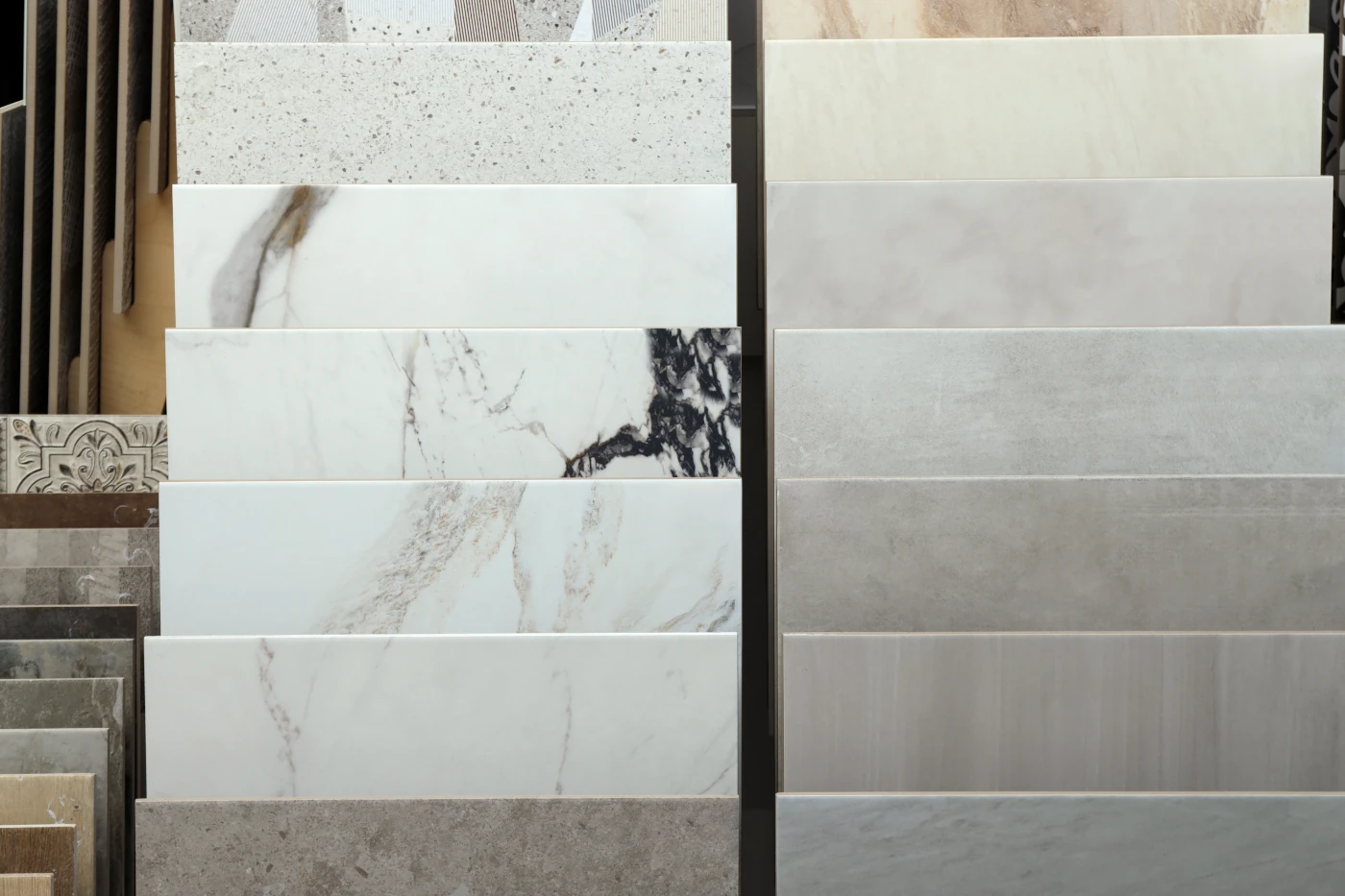
Fiberglass or acrylic shower stalls generally run $300 to $1,000 for materials alone, while tile materials for a custom shower typically range from $1,000 to $3,000 depending on style. Natural stone options can exceed $20 per square foot, and cultured marble surrounds usually fall between $1,500 and $2,500.
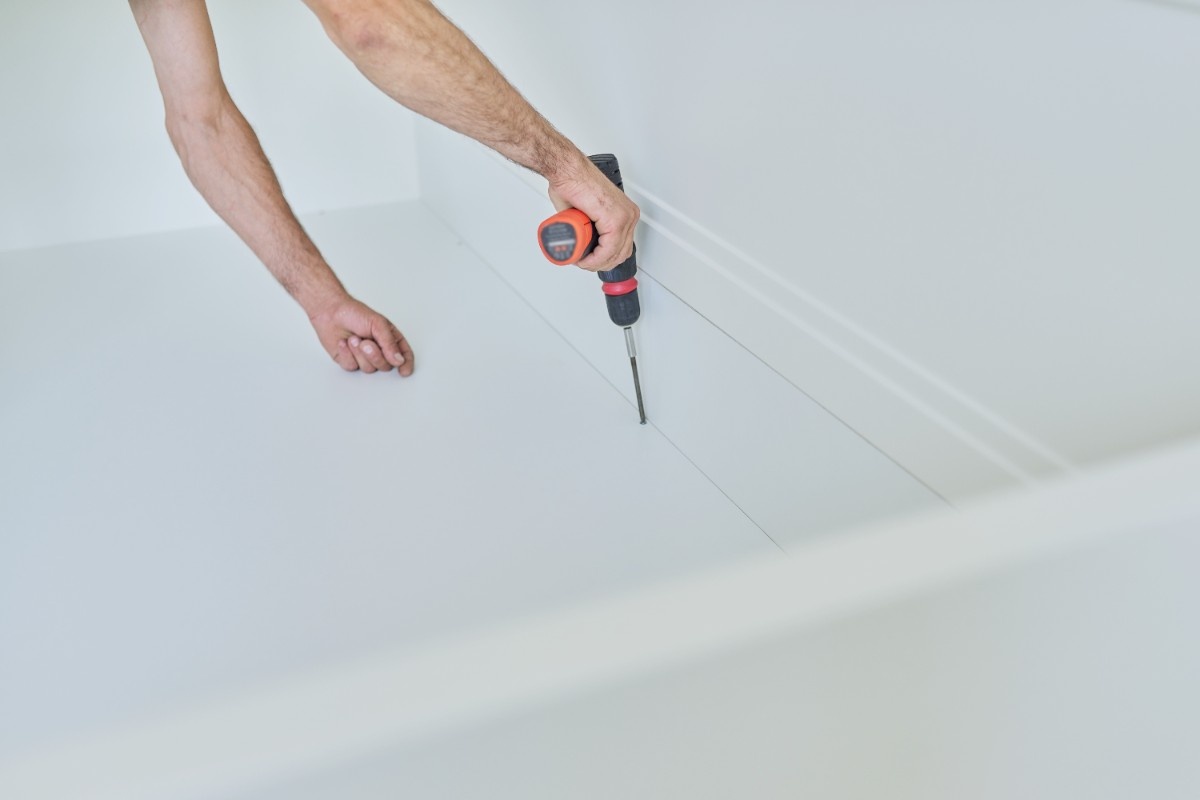
A bathtub removal walk-in shower install Everett project follows a fairly consistent sequence no matter which of the three approaches you choose. Here is what a typical bathtub removal and shower installation project looks like from start to finish.
A basic tub modification can often be completed in less than a day, while a full custom tile project typically takes two days to two weeks depending on scope.
Permit requirements vary by city and county, so always check with your local municipality before starting any plumbing or structural work. In general, any new shower rough in or drain relocation triggers a plumbing permit review and a rough in inspection before tile can be installed.
Permits for plumbing or structural work commonly cost between $200 and $1,200 depending on scope. Snohomish County and the City of Everett both require permits for work that changes fixture locations, so it is worth confirming requirements early with your contractor.
💡 Pro Tip: Ask your contractor to pull permits as part of the project cost rather than handling it yourself. A licensed contractor already knows what the local inspector will look for.
Several factors push a project toward the higher end of the price range. Understanding these ahead of time helps you plan a realistic budget, since tub to shower conversion cost Washington state homeowners see can vary quite a bit from one project to the next.
Labor typically accounts for 40 percent to 60 percent of the total budget, so the material choices above have a real impact on the final invoice.
Everett's wet climate makes waterproofing one of the most important parts of any tub to shower conversion. A shower that looks great on install day can fail behind the walls within a few years if it is not built correctly from the start.
We use modern waterproof membranes on every shower we build, rather than relying on cement board alone, which is more prone to breaking down in a damp Pacific Northwest bathroom over time. This single choice affects how long your new walk in shower lasts far more than the tile pattern you choose.
Barrier free showers with lower step in heights also improve safety without sacrificing style, which matters for aging in place plans as well as everyday convenience.
A tub to shower conversion generally increases home resale value, and modern showers appeal strongly to prospective buyers touring Everett homes. High quality shower upgrades tend to offer a strong return on investment compared to many other bathroom updates.
In Snohomish County homes with two or more bathrooms, converting a primary bathroom tub to a walk in shower usually tests well with buyers. The caveat is that most buyers still want at least one tub somewhere in the home, especially if families with young children are shopping in your price range.
If your home only has one bathroom, it is worth discussing this tradeoff with a bathroom remodel specialist before committing to a full conversion.
For a full breakdown of when a walk-in shower helps or hurts resale value based on your bathroom count, our walk-in shower vs. bathtub resale value guide covers that decision in depth.
Our guide to average bathroom remodel costs covers how a tub to shower conversion compares to a full bathroom remodel if you are still weighing your options.
Every project we take on for CraftHaus Home Remodeling starts with an honest look at your existing plumbing, your budget, and your goals for the space. We walk homeowners through material options, realistic timelines, and financing options before any demolition begins.
A tub to shower conversion is a meaningful upgrade, and getting the waterproofing, plumbing, and materials right the first time saves money and stress down the road.
Tub to shower conversion cost in Everett, WA numbers generally fall between $4,000 and $8,000 for a prefab system and $9,000 to $22,000 for a custom tile build, with plumbing location and materials driving most of the difference.
Every bathroom is different, and the right approach depends on your layout, your budget, and how long you plan to stay in the home. A short conversation with a licensed contractor can clarify which option fits best.
Ready to see real numbers for your own bathroom? Request your estimate and we will walk you through the options in plain, straightforward terms.
Tub to shower conversion cost Everett WA projects typically run between $4,000 for a prefab system and $22,000 for a custom tile build with layout changes, depending on materials and plumbing. Prefab systems sit at the lower end, while custom tile builds with layout changes land higher.
A simple tub modification can often be completed in less than a day, while a full custom tile conversion typically takes two days to two weeks. Timeline depends on materials, plumbing changes, and permit inspections.
The process generally includes measuring the space, removing the old tub, adjusting plumbing as needed, waterproofing, installing the shower base and walls, then adding fixtures and glass. A professional installation helps ensure each step meets current code.
Permit requirements vary by city and county, so it is important to check with your local municipality before starting. Any project that relocates a drain or changes plumbing typically requires a permit and inspection.
A tub to shower conversion generally increases resale appeal, especially in homes with more than one bathroom. Homes with no remaining tub can be less appealing to buyers with young children, so it is worth keeping at least one tub if possible.
A tub to shower conversion focuses only on the tub and shower area, while a full bathroom remodel typically includes flooring, vanity, and lighting changes as well. This keeps a conversion project generally faster and less expensive than a complete remodel.
.avif)
Find the right services for your home project.








.svg)

.jpg)
.png)


.svg)
